
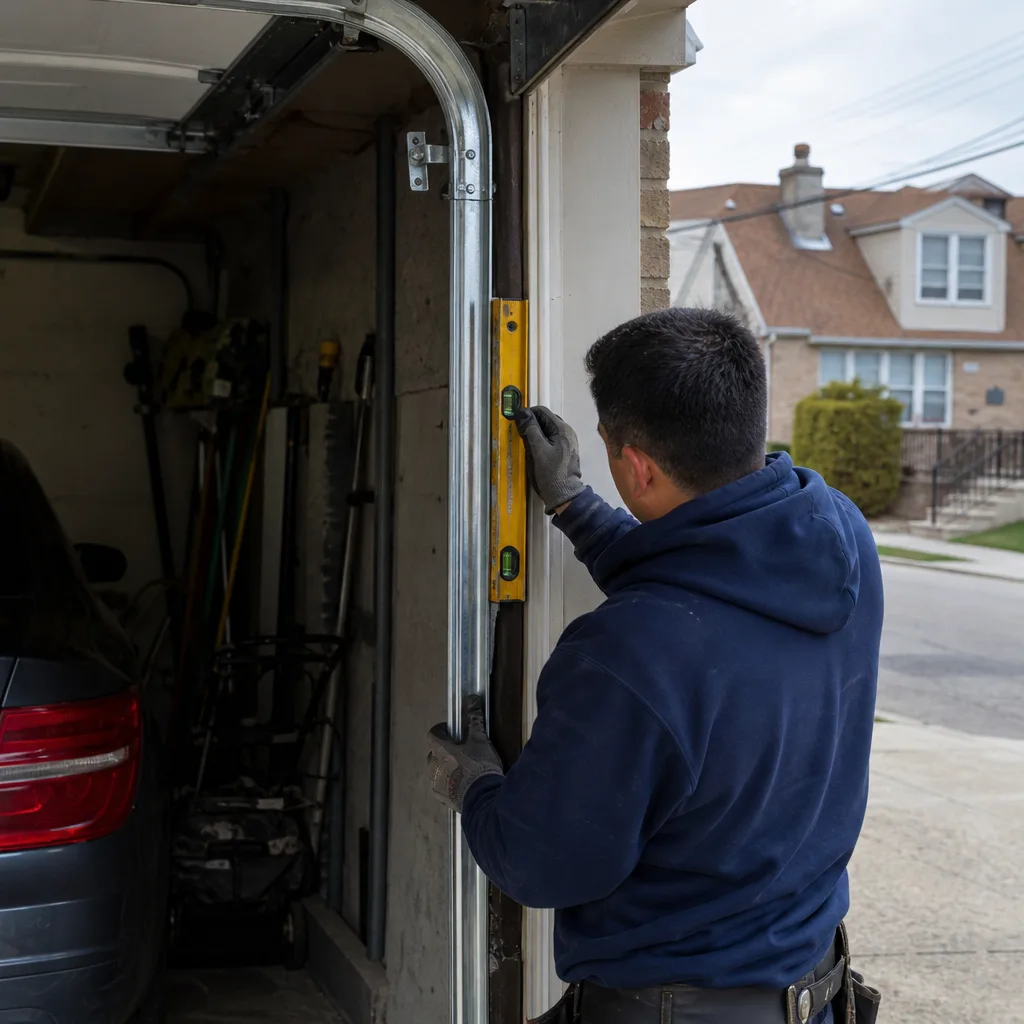
Last updated November 21, 2026
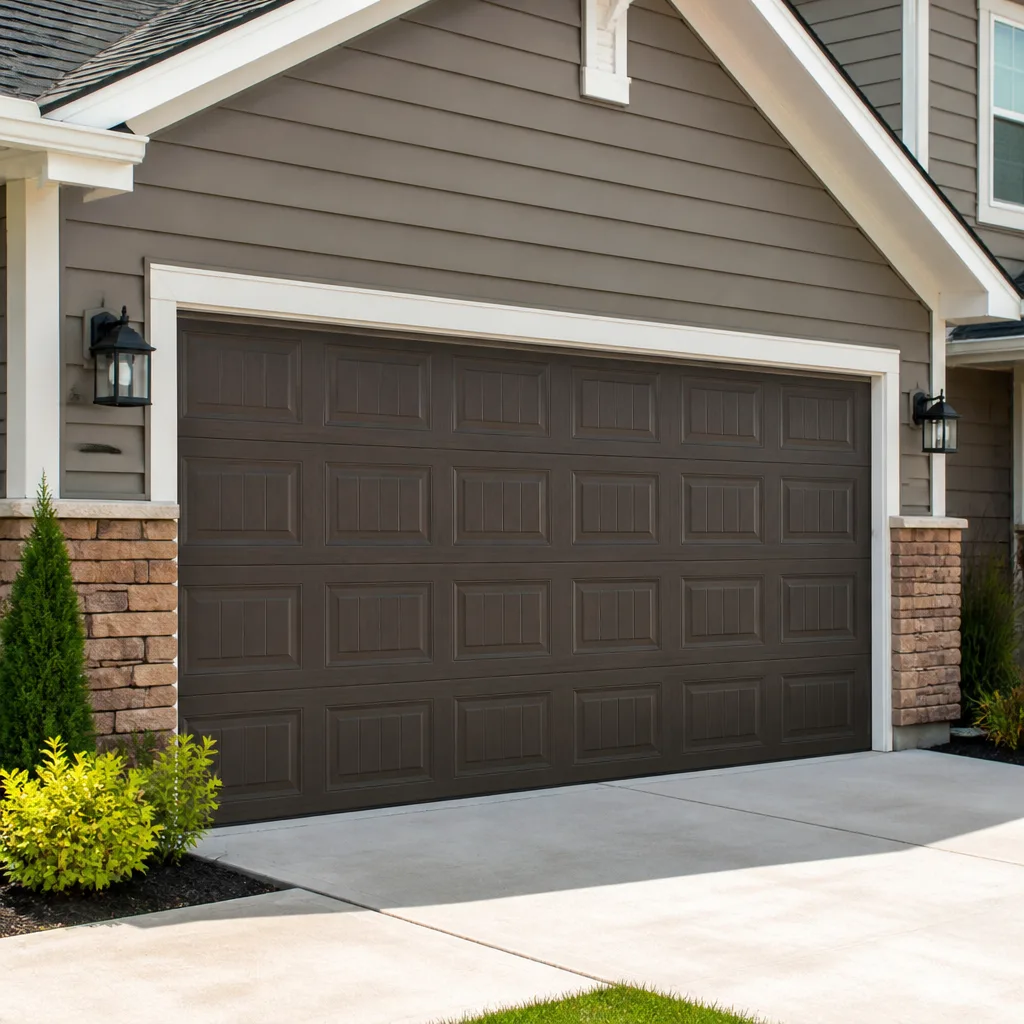 Raised-panel steel
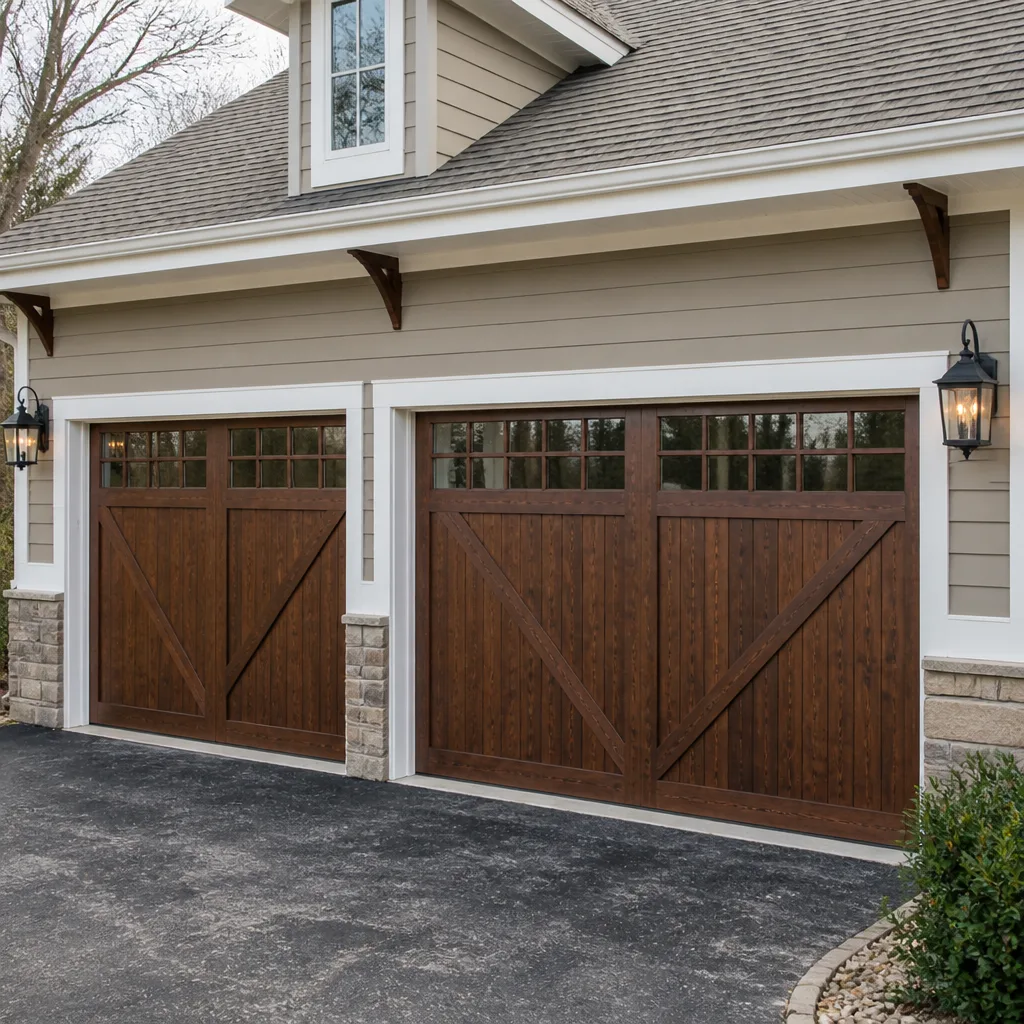 Carriage house
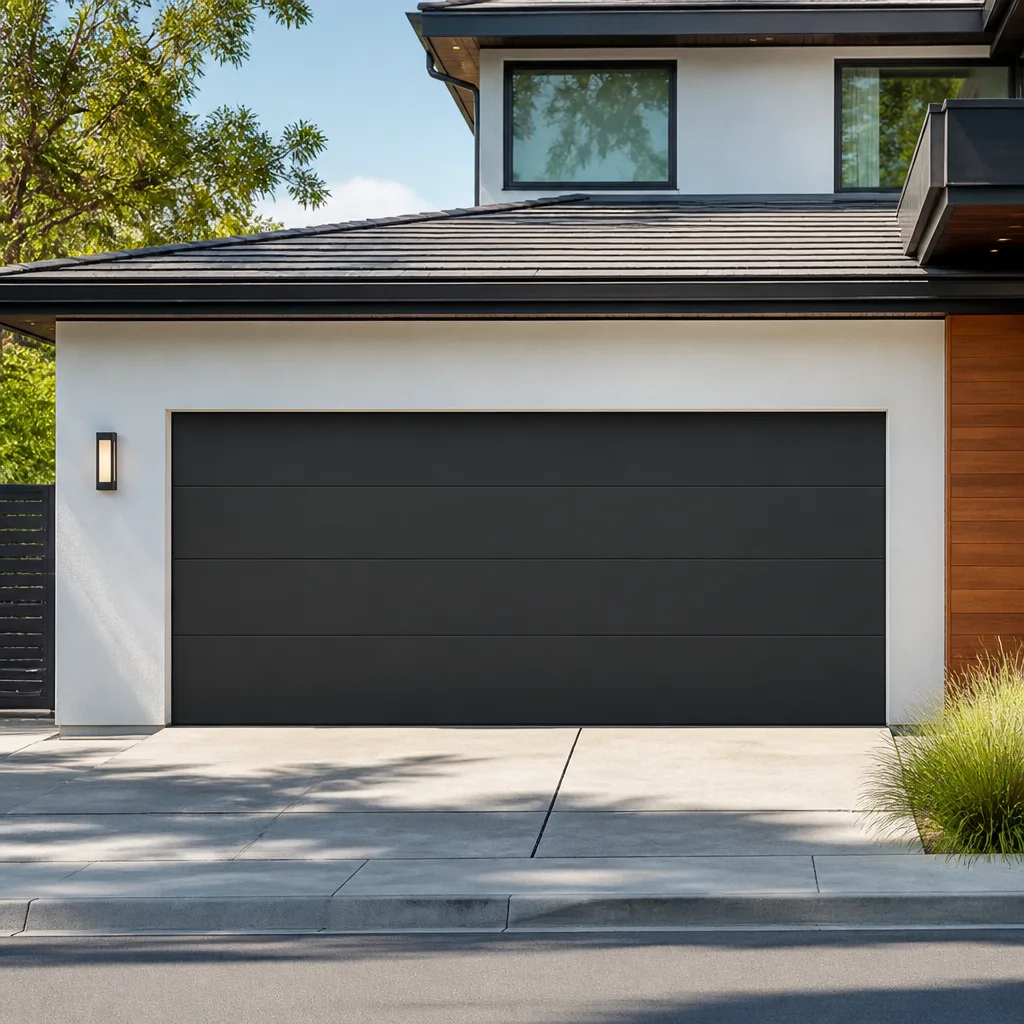 Modern flush
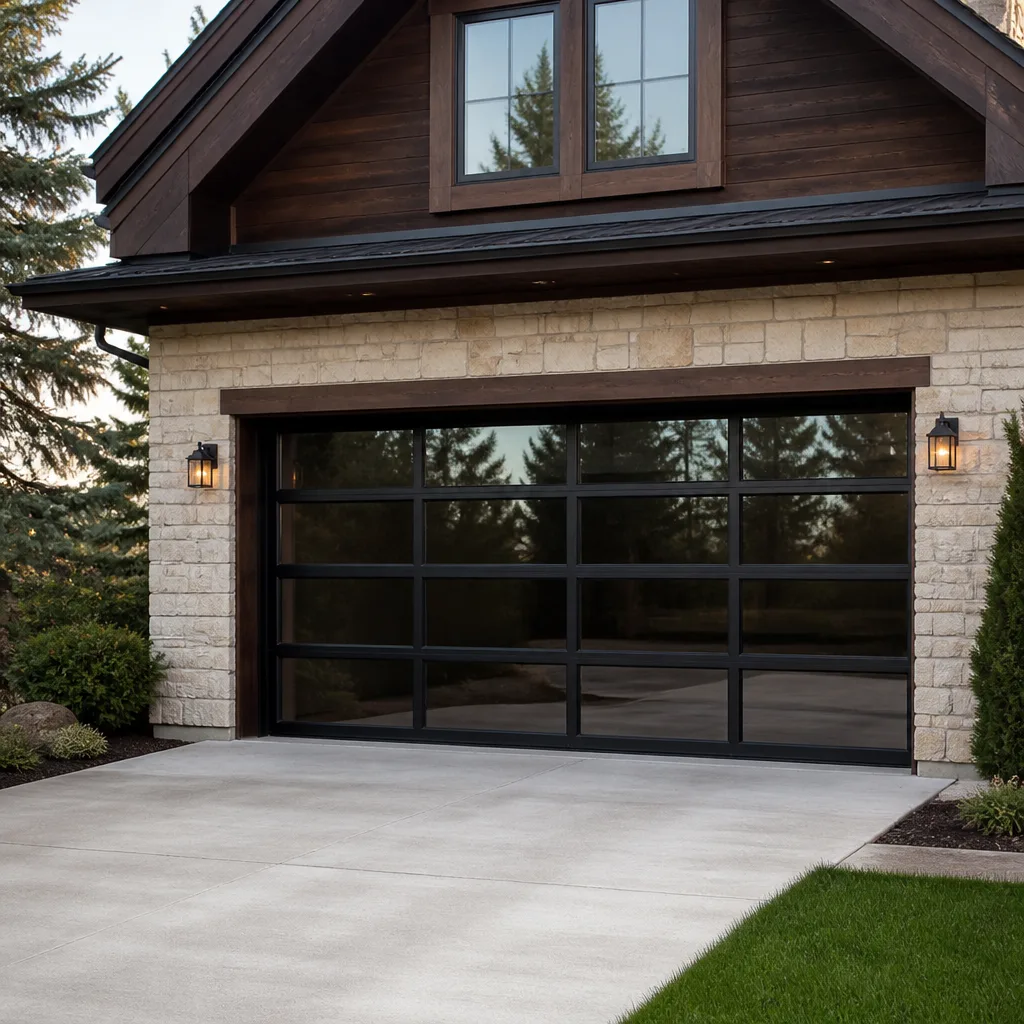 Full-view glass
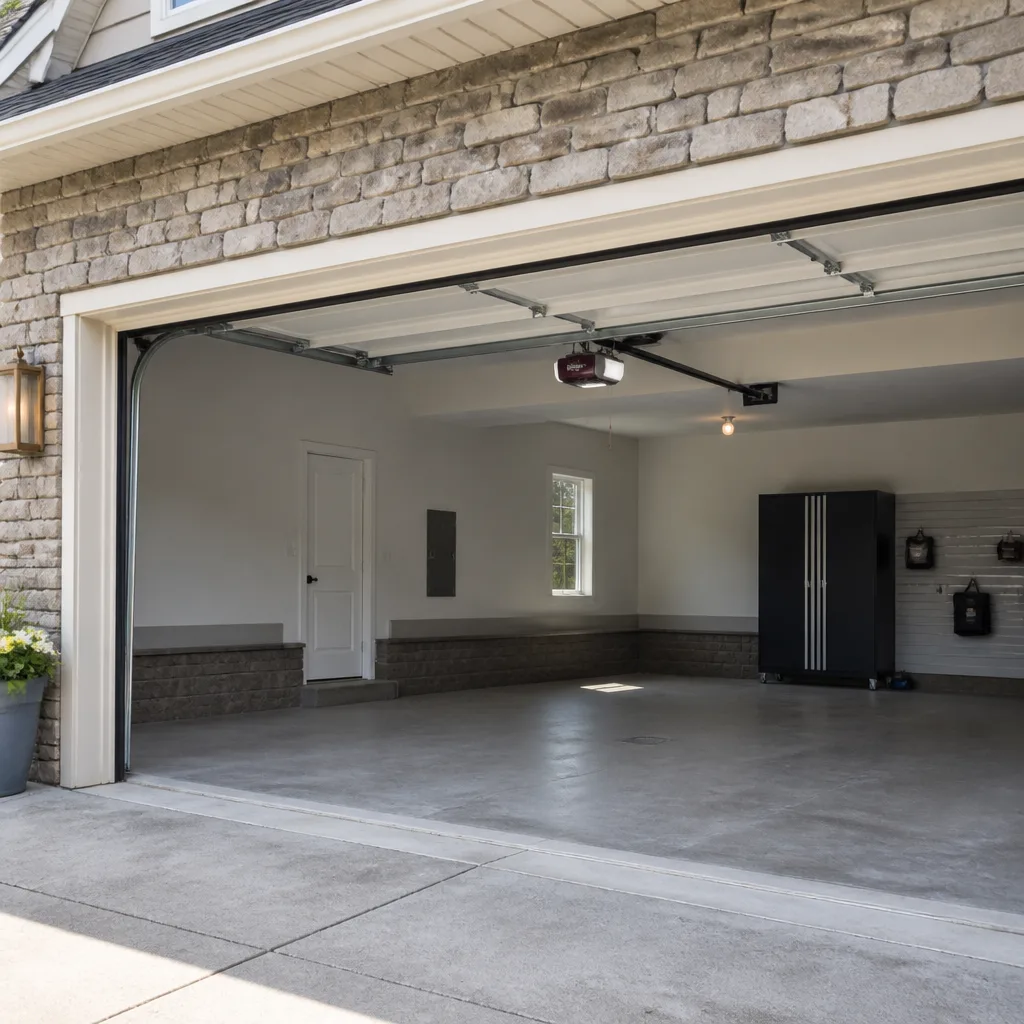 LiftMaster openers
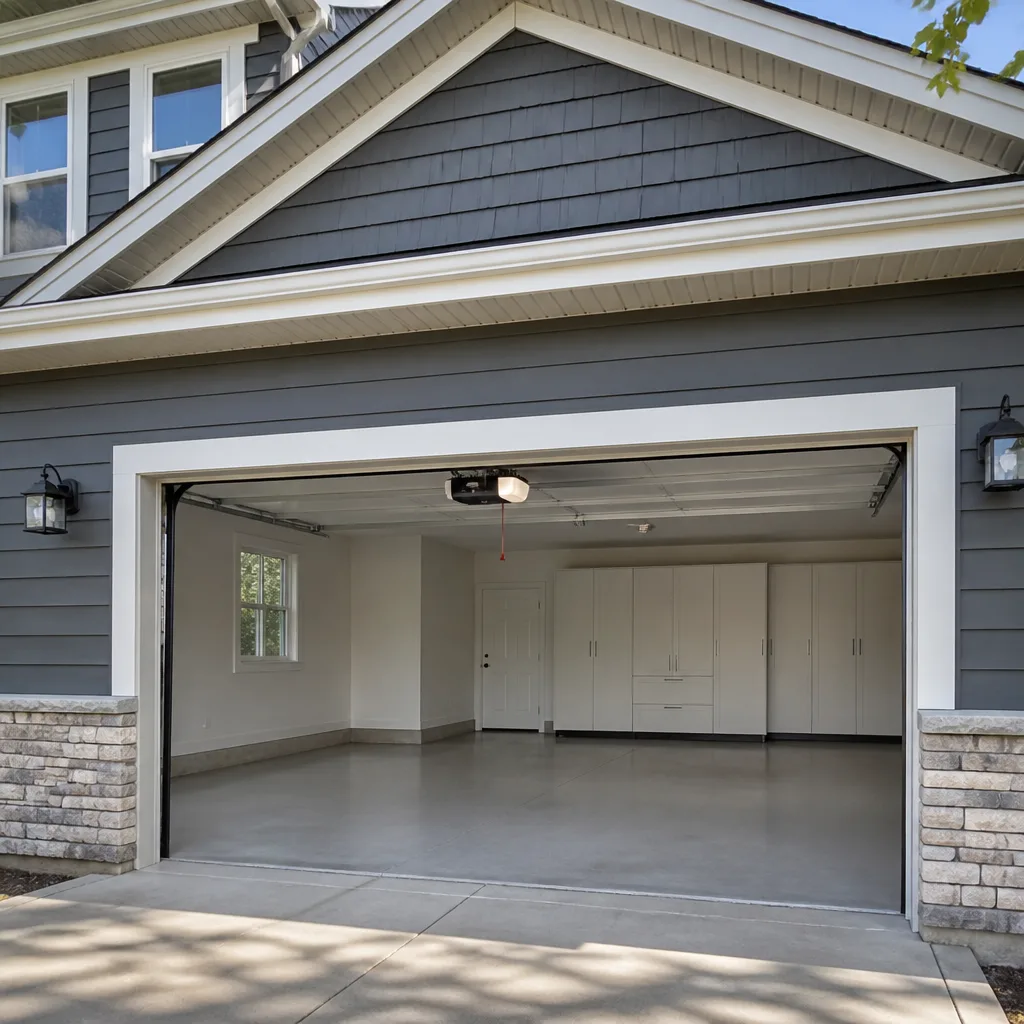 Chamberlain openers
Full 25-point door and opener safety check with every visit - springs, cables, rollers, tracks, and your LiftMaster or Chamberlain opener included
You get a price before we start. It does not change when the pro arrives.
Get your free estimateGarage Door Repair Maintenance Checklist for Williamsbridge Homeowners
Most garage door advice tells you to “inspect twice a year” and leaves it there. That schedule was written for a climate that doesn’t exist here. In Williamsbridge, your door faces three things a manufacturer’s generic interval ignores: road salt that drifts onto the door from plowed streets, temperature swings that expand and contract every moving part, and humidity that rolls through the Bronx River corridor and works its way into pivot points and cables. A checklist timed to those conditions catches problems in their cheap stage. One timed to a calendar catches them in the expensive stage. This guide walks you through a month-by-month routine built for Williamsbridge homes, the lubrication points that fail first in this environment, a no-tools balance test, a five-minute visual check, and what to photograph each year to protect a warranty or an insurance claim.
Quick Answer
A garage door maintenance checklist for Williamsbridge should be timed to road-salt drift, freeze-thaw temperature swings, and Bronx River corridor humidity rather than a generic twice-a-year schedule. In practice that means a two-minute cable and hardware check in October before the first hard freeze, monthly lubrication of hinges, rollers and springs during heating season, and a spring balance test once a season. Most doors that fail in January showed a warning sign in the fall that a visual inspection would have caught.
Styles & brands we work with
- Raised-panel steel
- Carriage house
- Modern flush
- Full-view glass
- LiftMaster openers
- Chamberlain openers
Table of Contents
- Why a Williamsbridge Calendar Beats a Generic One
- The Month-by-Month Williamsbridge Checklist
- Lubrication Points That Corrode Faster Here
- How to Test Balance and Spring Tension Without Tools
- The Five-Minute Visual Inspection That Catches Most Problems
- Maintaining Your Opener: Brand-by-Brand Habits
- What to Photograph and Document Each Year
- Weather-Specific Watchpoints for Bronx Homes
Why a Williamsbridge Calendar Beats a Generic One
Garage door maintenance schedules assume a mild, stable environment. Williamsbridge isn’t that, and the difference matters more than most homeowners realize. The two realities that change the math are salt and swing.
Road salt is the quiet one. When plows move snow on the streets around Williamsbridge, a fine salt mist settles on the door, the bottom panel, the hinges and the cables. Salt accelerates corrosion on any untreated steel. A door that would last a decade in a dry climate starts showing hinge corrosion and cable fray in a fraction of that time if nothing is done. That’s why October, before the first real salting event of the season, is the two-minute check that prevents the January call.
Temperature swing is the loud one. Cold nights and warmer afternoons pull and push the metal hardware. Every cycle puts stress on springs, cables and pivot points. When the temperature drops fast, spring coils and cables feel it first. A door that seemed fine in September can sound strained and heavy the first cold morning of November. If the bearings and hinges weren’t lubricated, the extra resistance lands on the springs and the opener, both of which wear faster.
Humidity is the slow burner. The Bronx River corridor keeps the air damp through much of the year, and that moisture finds the lowest, least-ventilated points on a door system: the bottom brackets, the roller stems, the hinge pins. Corrosion here is invisible until a hinge freezes or a roller seizes. The checklist below places the critical cable and hardware inspection right before the freeze, because that’s the window when a worn cable is a manageable repair and not the reason your car is trapped.
If you notice any of the warning signs while running this checklist and want a pro to look, our Garage Door Repair Williamsbridge service is a phone call away.
The Month-by-Month Williamsbridge Checklist
Here’s the schedule we recommend for a Williamsbridge home. It’s built around the seasonal cycle here, not a manufacturer default. Some of these tasks repeat through the cold months. That’s intentional, because the conditions that stress the door repeat too.
- October (before first frost): Inspect both cables for fraying, kinks and rust. Check the lower brackets and bottom panel for salt corrosion. Lubricate hinges, rollers and pivot points. Test the door balance with the manual release. This is the single most important month on the calendar.
- November: Listen to the door for strain or grinding as the first cold snaps hit. Test the safety reverse with a low object on the floor. Check the weather seal along the bottom for cracks.
- December: Confirm the door closes fully and seals against the frame. Look for any light showing through the bottom seal after closing. Relube the hinges if you hear squeaks.
- January and February: Check the door hardware after every hard salting week. Wipe salt residue from the bottom panel and hinges. Test the opener’s auto-reverse monthly. Watch for any change in door speed or noise.
- March (thaw): This is when freeze-thaw damage shows. Look at the bottom panel for buckling. Check the door balance again. Inspect all cables for wear the winter exposed.
- April: Clean and relubricate. Wash salt and grit from the door and hardware. Check that the tracks are clear and straight after a winter of thermal movement.
- May through September: Lighter routine. Wipe and lubricate hinges monthly through the humid stretch. Test the balance once. Check the opener’s force settings and reverse function. Inspect the weather seal before the fall.
- Any month: Any sign of a sticking door, a bad sound, or a door that won’t close completely should trigger a call for garage door repair.
Lubrication Points That Corrode Faster Here
Lubrication is the cheapest maintenance you can do. Skipping it is the most common reason hardware wears out early in Williamsbridge. The high-humidity stretch through the Bronx River corridor and the salt exposure mean some points need more attention than a generic guide suggests.
The parts that need lubrication, and why each one fails faster in this environment:
- Hinges: Hinge pins corrode from salt drift and humidity. A drop of white lithium grease on each hinge pin once a month through the cold and humid months keeps them moving freely. Wait for the squeak and you’ve already worn the metal.
- Rollers: The roller stems and bearings collect grit and salt. Nylon rollers tolerate this better than steel. Steel rollers pointed at the street-facing side of your door will show rust first.
- Springs: A light wipe with a silicone-based lubricant reduces friction and pitting from moisture. Don’t spray heavy grease, which traps grit.
- Tracks: Use a very light wipe only. Never grease the track itself; the rollers should ride clean. A greased track collects road grit and turns into a grinding rail.
- Lock, handles and moving catches: Graphite or a dry lubricant works here. Wet lubricants gum up in cold.
- Cables: No lubrication is needed if the cables are clean and dry. Oil attracts salt-dust and abrasives. If a cable looks rusted, that’s an inspection issue, not a lubrication one.
Two products that work in this climate: white lithium grease for hinges and pivot points, and a silicone spray for springs. Avoid heavy chassis grease on a garage door – it collects grit and does the opposite of what you want. If you’d rather have a technician do the annual lubrication and inspect everything at the same time, our team handles it during a standard service visit.
How to Test Balance and Spring Tension Without Tools
You can check whether your springs are carrying their share of the load with no tools, no gauges, and about two minutes. It’s a go/no-go test: the door either holds itself or it doesn’t. This is the test that should be repeated at least once a season, plus any time the door feels heavier than usual.
- Close the door fully. Make sure nobody is in the path and the area is clear.
- Pull the manual release. This is the cord that disconnects the door from the opener. Pull straight down and step back.
- Lift the door halfway by hand. Use the handle or the bottom edge of a panel. Lift slowly and stop at the halfway point.
- Let go. A door in balance stays where you left it. A door that slides down on its own means the springs aren’t carrying enough load. A door that wants to fly up on its own means the springs are too strong.
- Lower the door fully by hand and re-engage the opener connection. Test the opener by running the door one full cycle.
If the door slams down when you let go, don’t run the opener again. That’s the signal a spring is broken or dangerously weak. The door may still open under opener power, which is the most dangerous state a door can be in – the opener is doing the work the spring was designed to do, and the cables and brackets are carrying twice the load they were built for.
One safety note. Do not touch, test, or adjust the springs or cables themselves. The torsion spring at the top of the door is under extreme tension, and the extension springs along the sides are no safer. Every year, homeowners get seriously injured trying to “help” a spring. The balance test above is the limit of what a homeowner should do. Spring and cable work belongs to a trained technician with the right tools. Our technicians have up to 10 years of experience with spring systems specifically.
The Five-Minute Visual Inspection That Catches Most Problems
The best maintenance habit isn’t complicated. Walk around the door once a month with your phone’s flashlight, and look at specific things. In our experience, most emergency calls started with a visible warning sign that went unnoticed for weeks. Here’s what to look at.
- Cables: Both cables should be straight, tight, and free of frayed strands or rust spots. Look along the length of each cable, not just at the ends.
- Springs: Look for a visible gap in either spring. A broken torsion spring shows a clean break in the coil. Extension springs can stretch or snap.
- Hinges: Rust on the hinge plate or a bent hinge body is a warning. A hinge that won’t move freely puts stress on the panel attached to it.
- Rollers: Each roller should sit in the track without wobble. Worn roller stems, flat spots on nylon rollers, or rust on steel rollers all mean replacement.
- Panels: Look for dents, cracks, or bent edges. Any panel misalignment starts putting stress on the hardware.
- Weather seal: The rubber strip along the bottom should sit flat against the floor and not show cracks or tears.
- Track: Both tracks should be clean and straight. Any visible bend in a track is a call-a-pro problem, not a homeowner fix.
Anything that looks off on this list should get a call. The list is designed so a homeowner can catch a small issue and turn it into a small repair bill instead of a stranded-car-and-stuck-door situation on a cold morning. The garage door opener repair side of things also starts here – most opener problems are actually door problems the opener is struggling to overcome.
Maintaining Your Opener: Brand-by-Brand Habits
The opener is the part of the system you touch every day, and it’s also the part that takes the most abuse when the door hardware wears out. A little care on the opener side goes a long way. The habits are similar across brands, but each system has its own quirks.
Universal habits worth building:
- Test the safety reverse once a month. Lay a roll of paper towels or a piece of wood on the floor under the door. Run the door down. It should reverse on contact. If it doesn’t, stop using the door and get a technician to inspect it.
- Check the opener’s force settings only by technician. A door that reverses for no reason or stops halfway frequently is usually a force-setting or travel-limit issue. Two small adjustments fix it. Don’t experiment with them yourself.
- Keep the opener’s moving parts lubricated at the gear and rail. A dry rail grinds. A dry gear wears.
- Test the wall control and both remotes once a season. If one remote works and another doesn’t, that’s a remote battery or programming issue, not a door issue.
For brand-specific habits, we’ve found that LiftMaster and Chamberlain systems (both Chamberlain Group products) tend to give clear diagnostic feedback through their safety-beam indicators, which makes them easier for homeowners to self-check. Craftsman systems from the Sears era often have older-style limit switches that benefit from an annual visual once-over. Genie openers vary a lot between model generations, so knowing your specific model helps. If your opener is a Genie or an older Craftsman and you’re not sure what needs attention, our team works on those brands by name and can look at the specific system.
If it’s time for a new opener or a new door entirely, our garage door installation service covers both. A good opener only performs as well as the door it’s connected to.
What to Photograph and Document Each Year
This is the step almost nobody does, and it’s the one that pays off when something goes wrong. A yearly record of your door’s condition protects you in two specific situations: a warranty claim on a door or opener that failed early, and an insurance claim after storm or impact damage.
Once a year, in October, do the following:
- Photograph all four corners of the door from the inside, showing the cables, brackets, and hinges.
- Photograph both springs in full, including the drum or bracket ends.
- Photograph the opener including its model and serial labels. If the label is worn, write down the model number in a note.
- Photograph any existing dents or panel damage with a date reference in the image if possible (a piece of masking tape with the date works).
- Photograph the tracks from top to bottom, inside view.
- Note the door’s adjustment history: when it was last lubricated, when the balance was last tested, and any minor service done.
Save the photos in a folder labeled with the year. If a spring breaks in February and you’re asked when the door was last inspected, you have a real answer. Same for a warranty claim on a LiftMaster or Chamberlain opener that failed early, or a Raynor door showing a defect. The photos establish the condition before the failure and rule out neglect.
Documented care also tends to matter when a claim adjuster is involved after hail or storm damage, though hail isn’t a major local concern in Williamsbridge. The photos still help establish what the door looked like before, whatever caused the damage.
Weather-Specific Watchpoints for Bronx Homes
Bronx weather puts particular demands on a garage door, and it’s worth knowing what to look for after each seasonal shift. Here’s what to watch for, broken out by the conditions that do the most work.
After the first hard freeze. The cold snap that hits in late November or December is the first real test of the season. Listen for changed sounds. A door that was smooth in October and sounds strained the first cold morning needs the balance test repeated and the hinges relubricated. Cold-thickened grease and shrunken bearings both make the opener work harder.
After heavy salting on the streets. In the weeks after a big salting event, the bottom panel, hinges and lower brackets take the brunt. Wipe visible salt residue from the door and hardware with a damp cloth and dry it. This single habit, done once or twice during a bad salting month, meaningfully slows corrosion.
During the freeze-thaw stretch. March is when thermal damage shows. Water that got into small cracks freezes and expands, then thaws and leaves a bigger crack. Look at the bottom panel and the seal for this specifically. Check the tracks for any bend that appeared over the winter.
During the humid stretch. Through the summer, the Bronx River corridor humidity keeps hardware damp. Wipe down and relubricate hinges monthly. If you notice a hinge squeaking in July, it’s already been dry a while. A well-lubricated system through the humid months is the difference between a door that lasts and one that needs early hinge and roller replacement.
After any major windstorm or tree debris event. Check the panels for dents and the tracks for bends. A bent track is a professional repair, not a homeowner fix. Any damage to a panel should be inspected before the door runs again.
Common Mistakes to Avoid
- Treating the twice-a-year schedule as sufficient. In Williamsbridge, the salt and humidity cycles here need more frequent attention than a generic calendar suggests. October and the deep-winter weeks are the two windows where a small check does the most work.
- Greasing the tracks. It seems like the obvious thing to do, but grease on the track collects road grit and salt and turns the track into an abrasive rail. Keep the track clean and dry, and lubricate the hinges and rollers only.
- Testing the balance test with the opener still engaged. The manual release must be pulled first. Running the balance test with the opener connected tells you nothing about the springs.
- Ignoring a broken spring and running the opener anyway. The opener will run the door, which is exactly the problem. Every cycle strains the cables and brackets, and a cable failure on a door under opener power is far worse than a broken spring alone.
- Adjusting springs or cables without training. This is the single mistake that causes the most serious injuries around garage doors. Springs are under extreme tension. Do the balance test, and call a professional for spring work.
- Skipping the annual photo record. A warranty or insurance claim is much harder to defend without a condition record from before the failure. The photos take five minutes.
- Assuming an older door doesn’t need checking. A ten-year-old door in a salt and humidity zone needs closer attention than a new one, not less. The wear of a decade of winter salting shows up in the cables and hinges faster than most homeowners expect.
See the difference
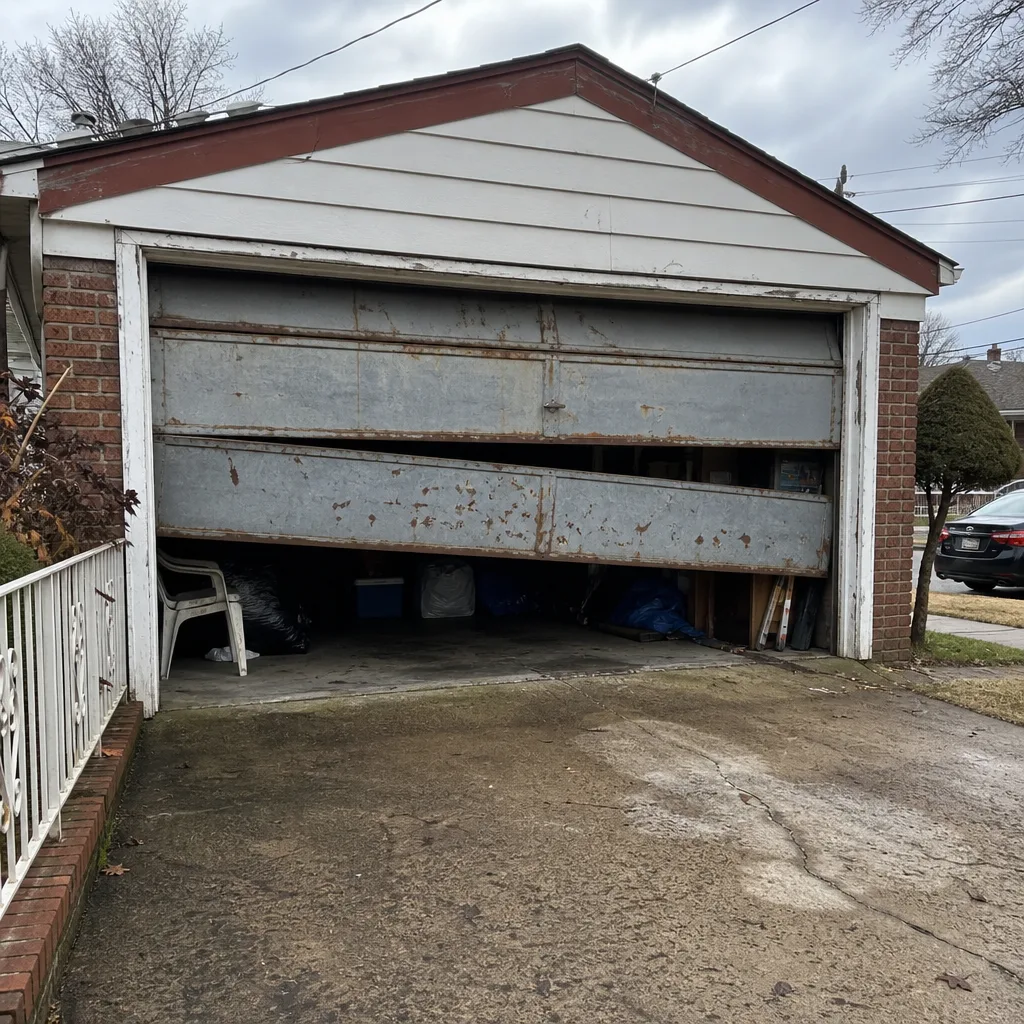 Before
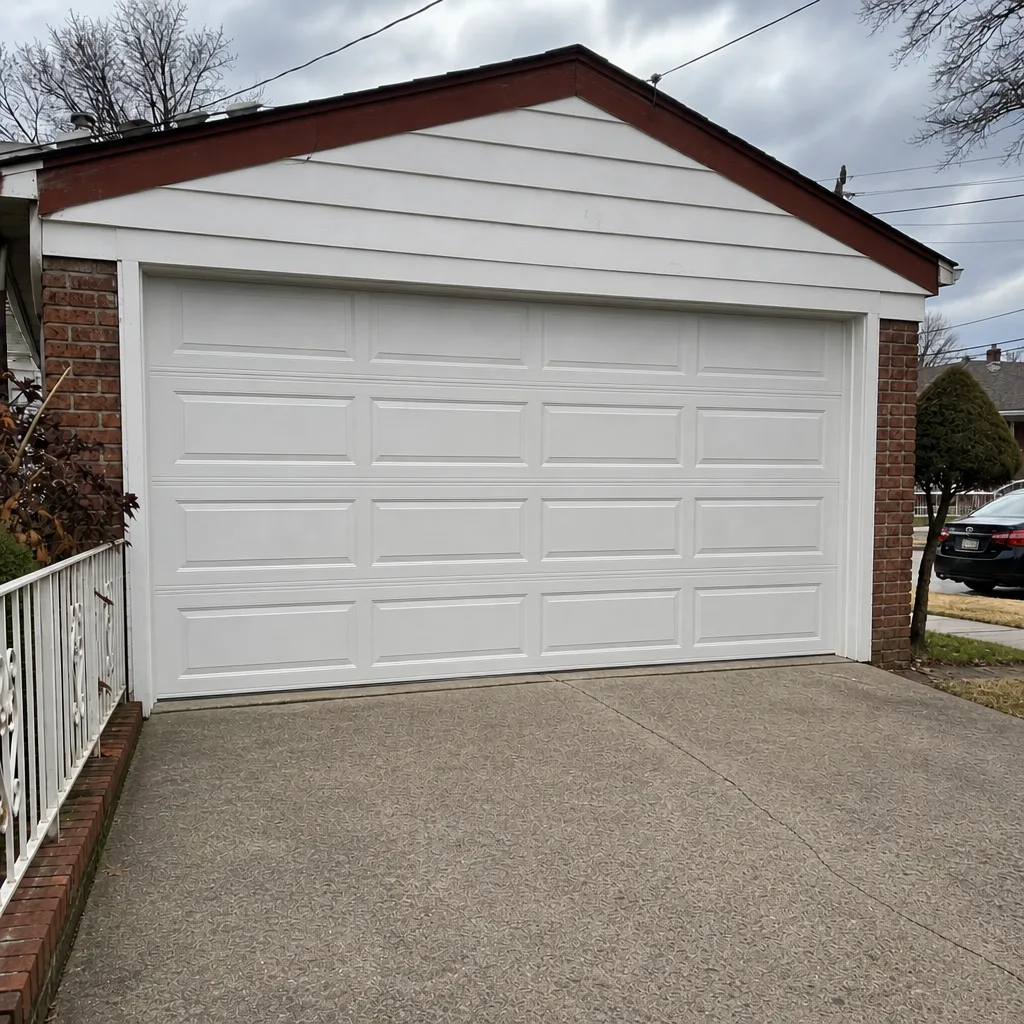 After
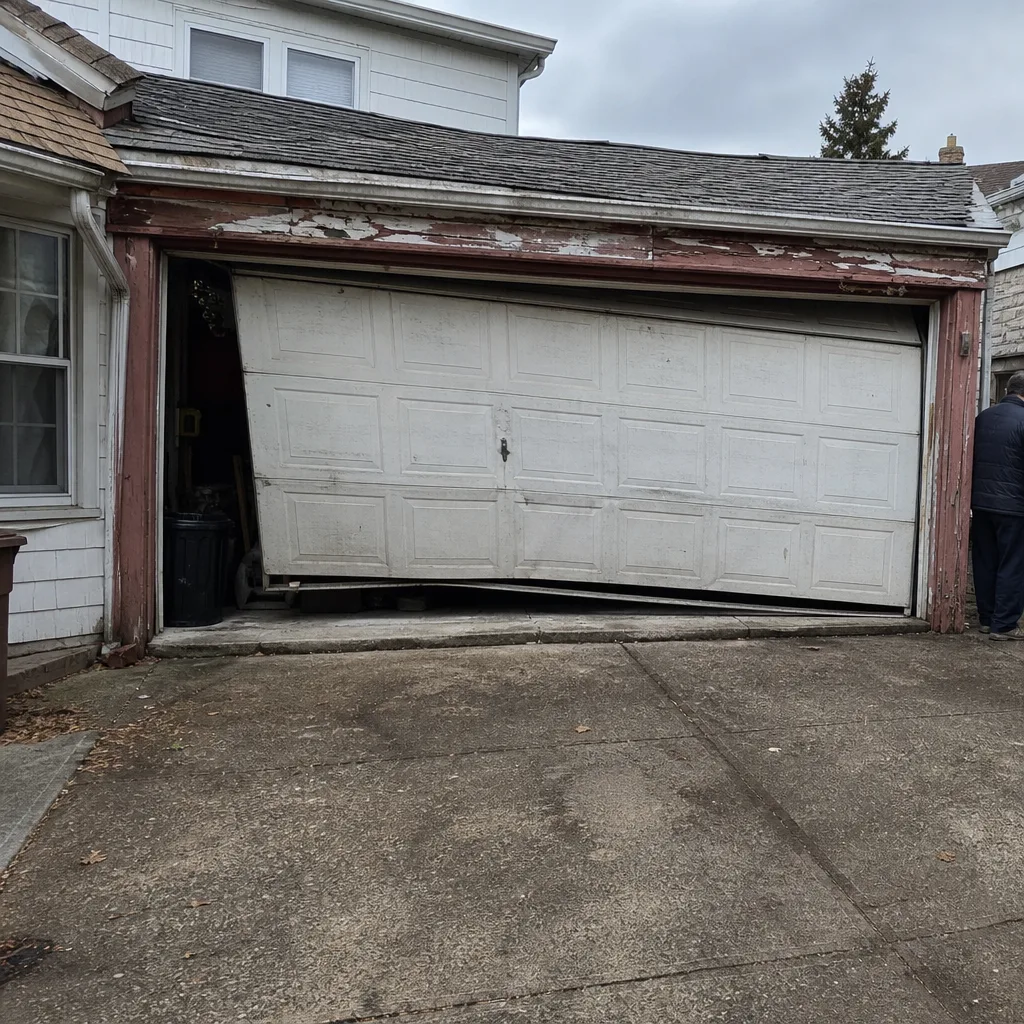 Before
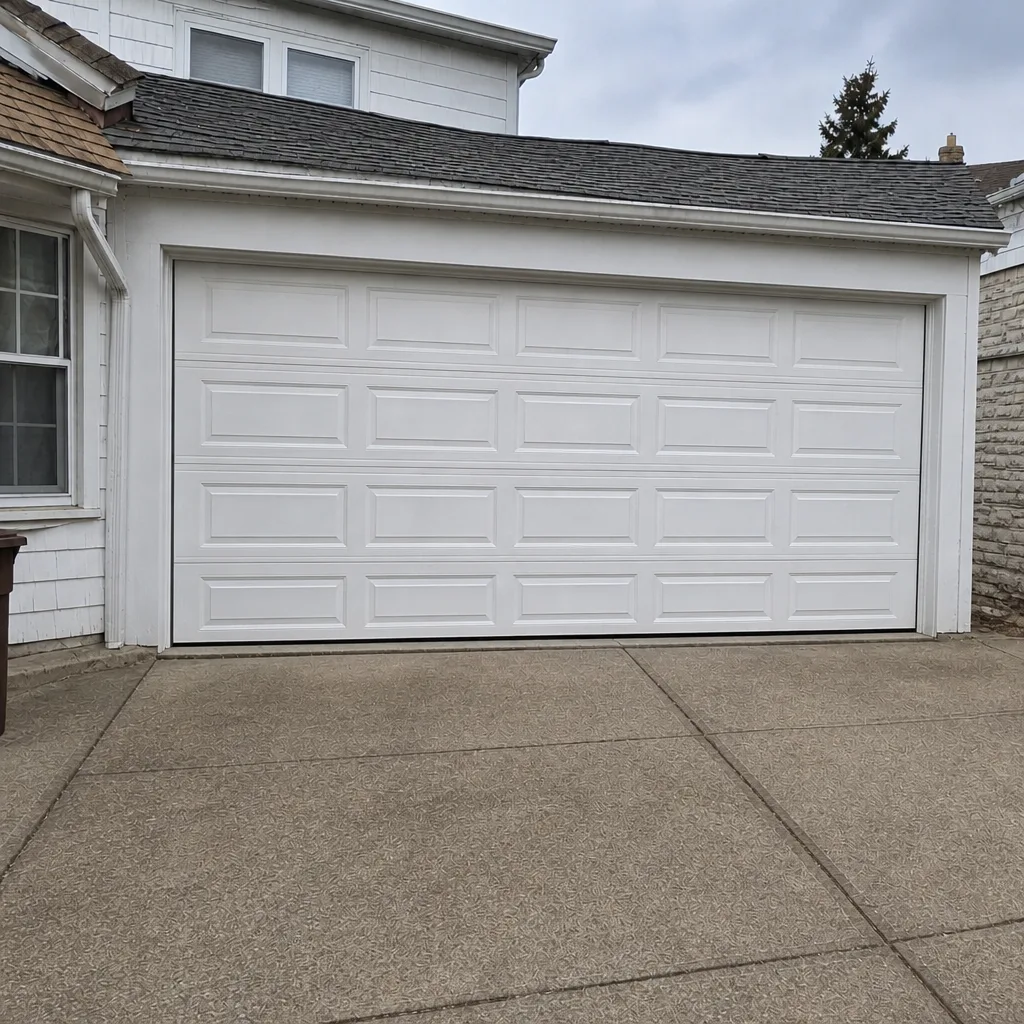 After
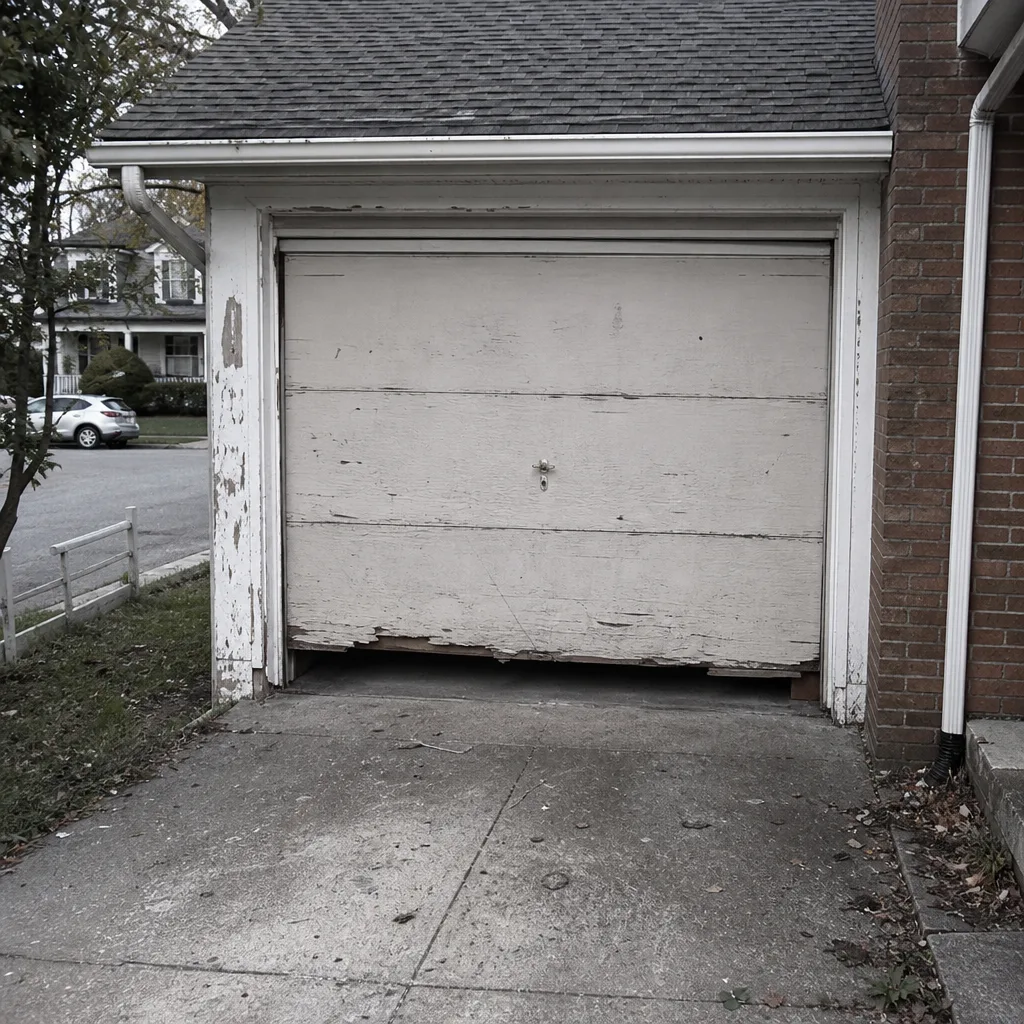 Before
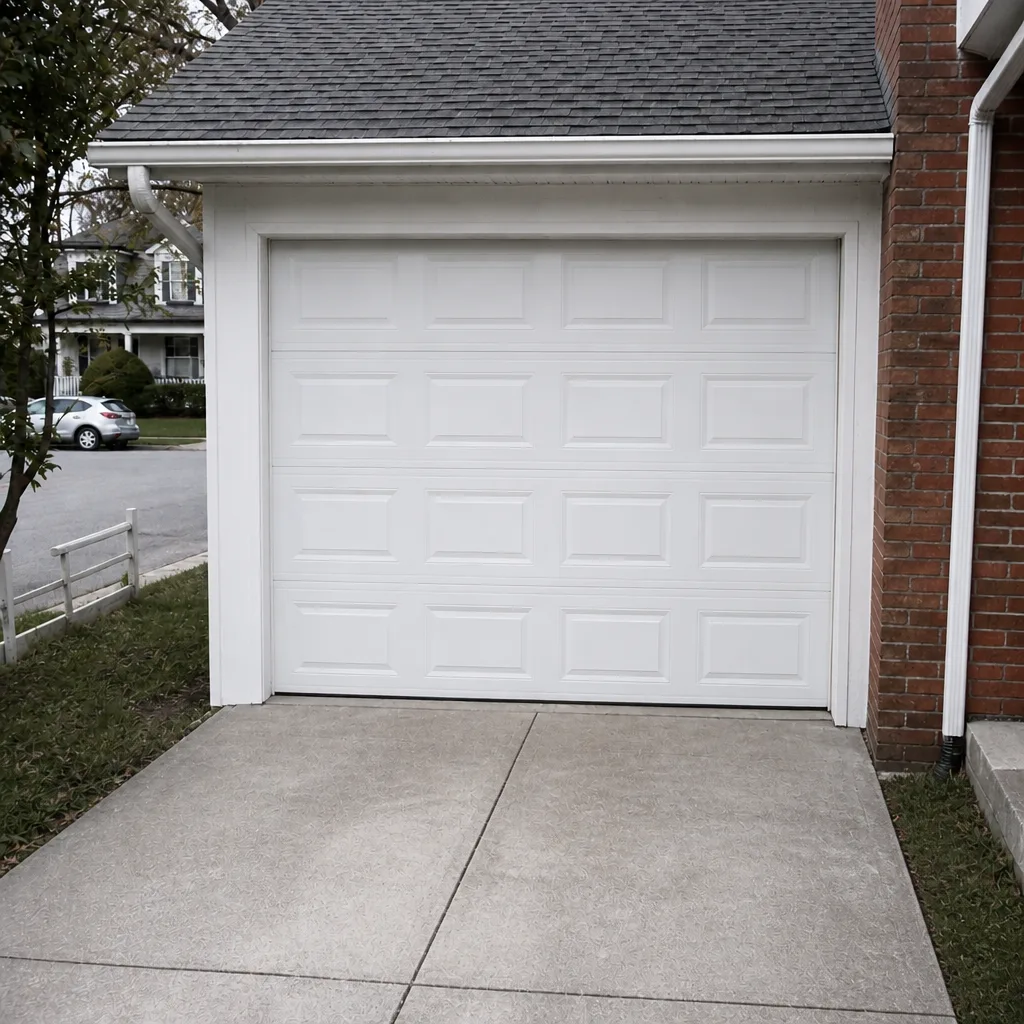 After
When to Call a Professional
Most maintenance tasks on this list are homeowner work: wiping down hardware, lubricating hinges, testing the balance, taking photos. A few things should never be a homeowner job. Call a professional for anything involving the springs, the cables, the brackets, a bent track, an opener that reverses unexpectedly, or a door that won’t close flush.
A broken spring is the most common call. It’s also the most dangerous one to try at home, because torsion springs and extension springs both store serious energy even after they fail. A door that’s off its track, a door where the cables look frayed or rusted, and any door that has ever dropped suddenly while open are all professional-only territory. If your door is stuck right now and you can’t get a car out, that’s an urgent situation and should be treated as one, not scheduled for next week.
Garage Door Repair Williamsbridge offers free estimates in Williamsbridge. Our technicians have up to 10 years of experience, and we work on the brand already on your home. Call (844) 443-3810. We answer 24/7. Fast dispatch from 7am to 7pm, Sunday through Friday. The price is quoted and agreed before any work starts, and the written estimate is the final price.
Frequently Asked Questions
Homeowners in Williamsbridge should run the cable and hardware inspection in October, lubricate hinges and rollers monthly through the cold and humid months, and test the balance once a season. The salt and humidity here make more frequent checks worth the effort than a generic twice-a-year schedule. Call (844) 443-3810 for an exact quote on a maintenance visit; estimates are free.
The most common early sign is a door that no longer holds itself halfway up during the balance test, or a door that suddenly feels heavier when you lift it by hand. A stretched extension spring or a torsion spring with visible gaps in the coil are also warning signs. Don’t run the opener on a door with a failing spring. Call a technician.
You can lightly wipe a torsion spring with a silicone-based lubricant, but never touch, adjust or remove the spring itself. The spring is under extreme tension, and any adjustment is a professional job. Lubricating hinges and rollers is safe for homeowners; touching springs and cables is not.
Photograph the door’s cables, springs, opener labels, tracks and any existing damage each October, and save the photos with the date. Keep a note of when the door was lubricated and when the balance was last tested. Most warranties are voided by neglect, and the photos prove the door was maintained. If you’re unsure whether your door qualifies for a claim, call us and we can help you figure out what to document.
A noisy door is usually a lubrication or roller problem, and it’s worth checking before noise turns into a failure. If a monthly lubrication doesn’t quiet it, or if the noise comes with a heavier door or a door that moves unevenly, that’s a call. Noisy doors can also be worn rollers or failing hinges. Call (844) 443-3810; estimates are free.
No. The price is quoted and agreed before any work starts, and the written estimate is the final price for the work described. If the technician finds something that wasn’t visible before inspecting, you’ll get a new estimate before deciding. Call (844) 443-3810 for an exact quote.
The Bottom Line
A garage door maintenance checklist only works when it’s timed to the conditions that actually stress your door. In Williamsbridge, that means October cable inspections before the freeze, monthly lubrication through the cold and humid months, a seasonal balance test, and a five-minute visual walk-around that catches most problems while they’re still small. The tasks themselves take minutes. What they prevent takes hours of a stuck door, a stranded car, and a bigger repair bill. Follow the schedule above, document the door yearly, and call the moment anything looks off. Our technicians have up to 10 years of experience, we work on the brand already on your home, and we handle spring repair, opener repair and full replacement in one call. Call (844) 443-3810 for a free estimate. We answer 24/7. Fast dispatch from 7am to 7pm, Sunday through Friday.
Written by the team at Garage Door Repair Williamsbridge.