
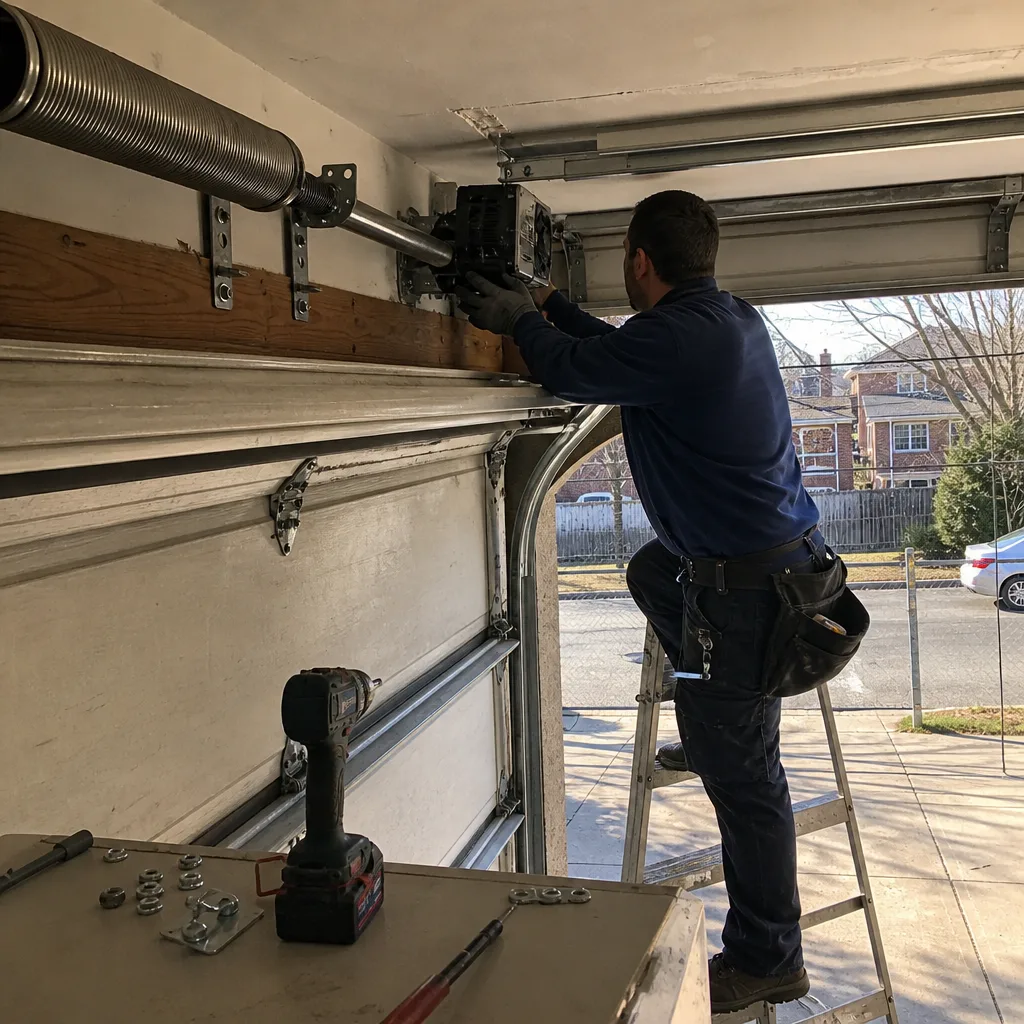
Last updated November 21, 2026
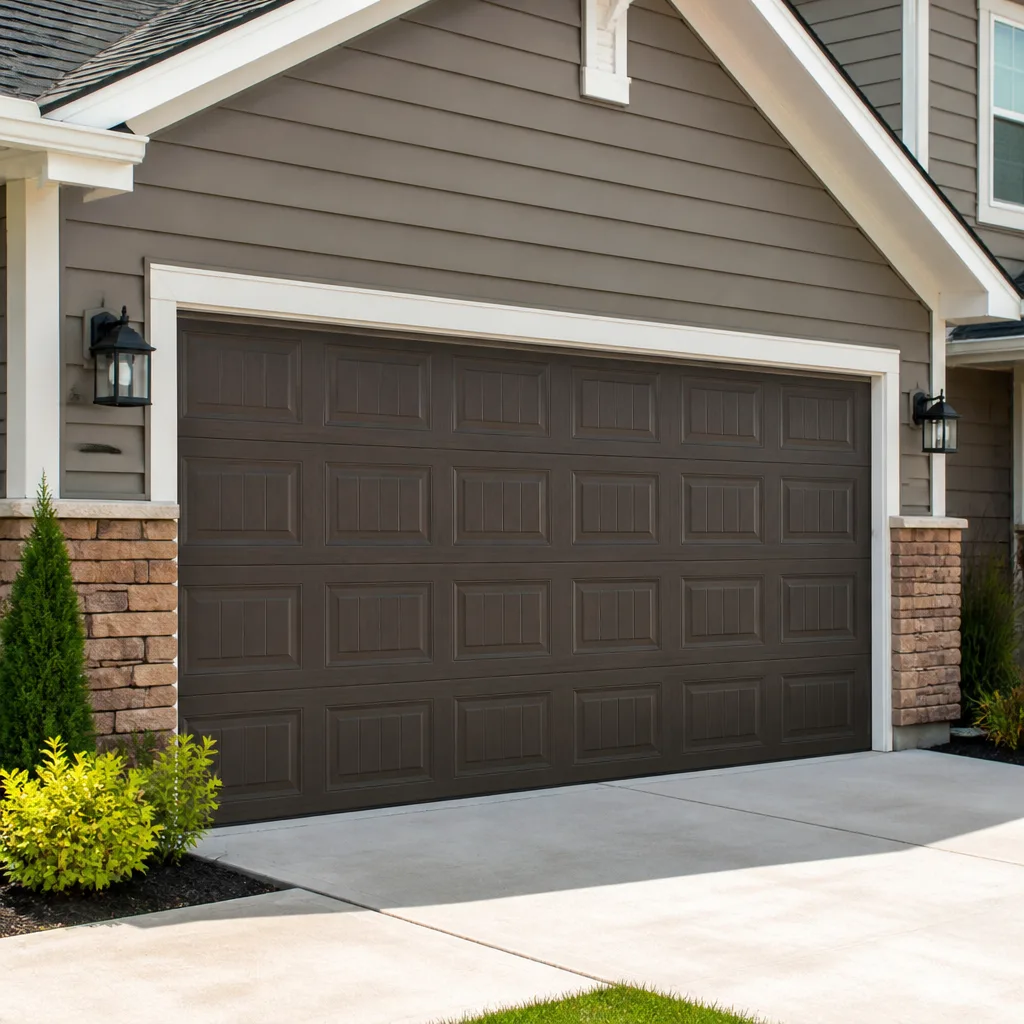 Raised-panel steel
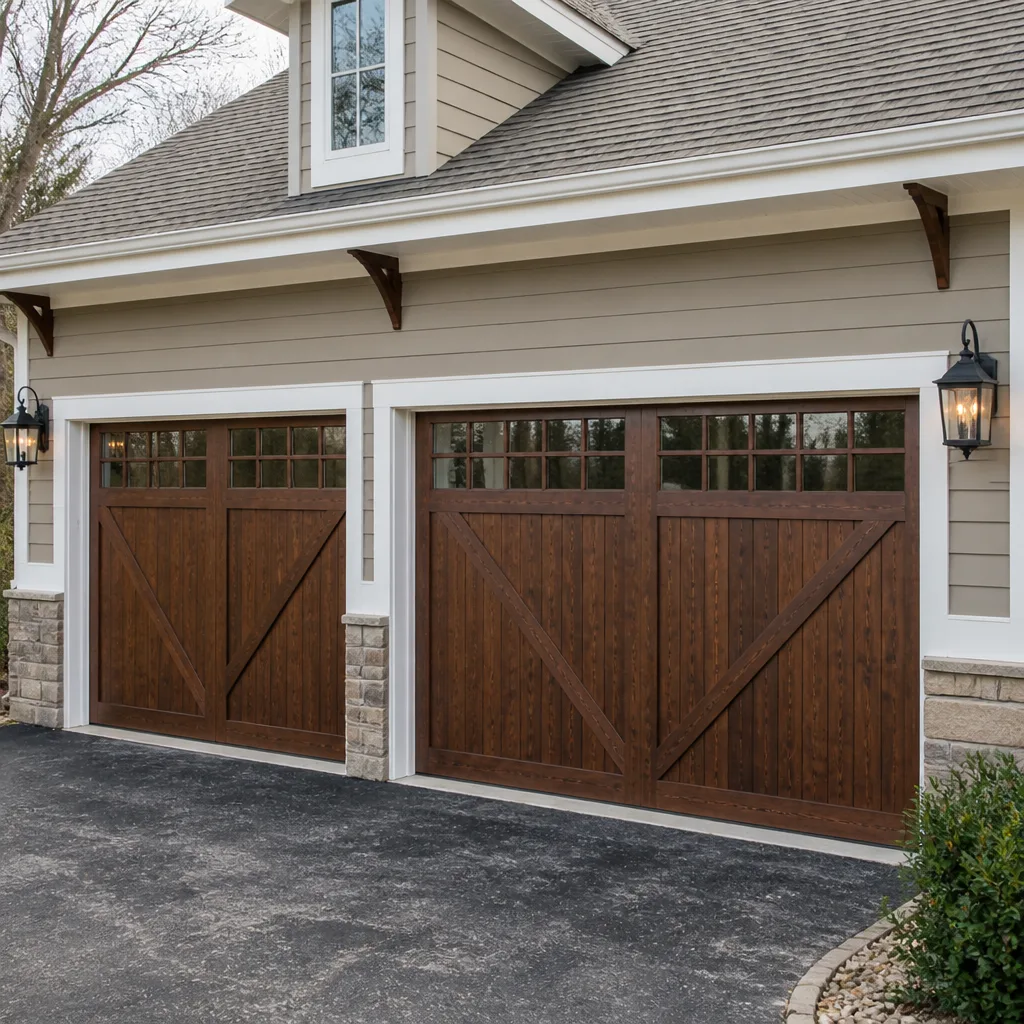 Carriage house
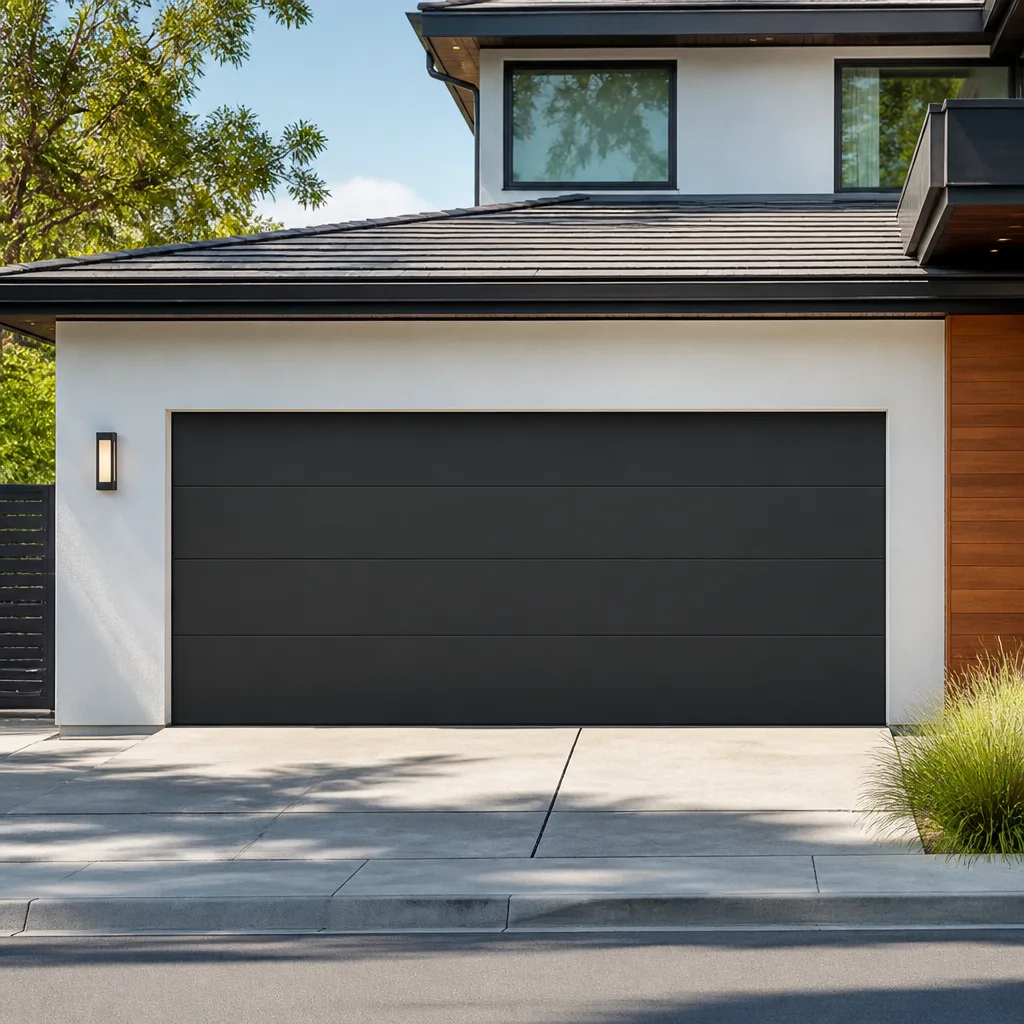 Modern flush
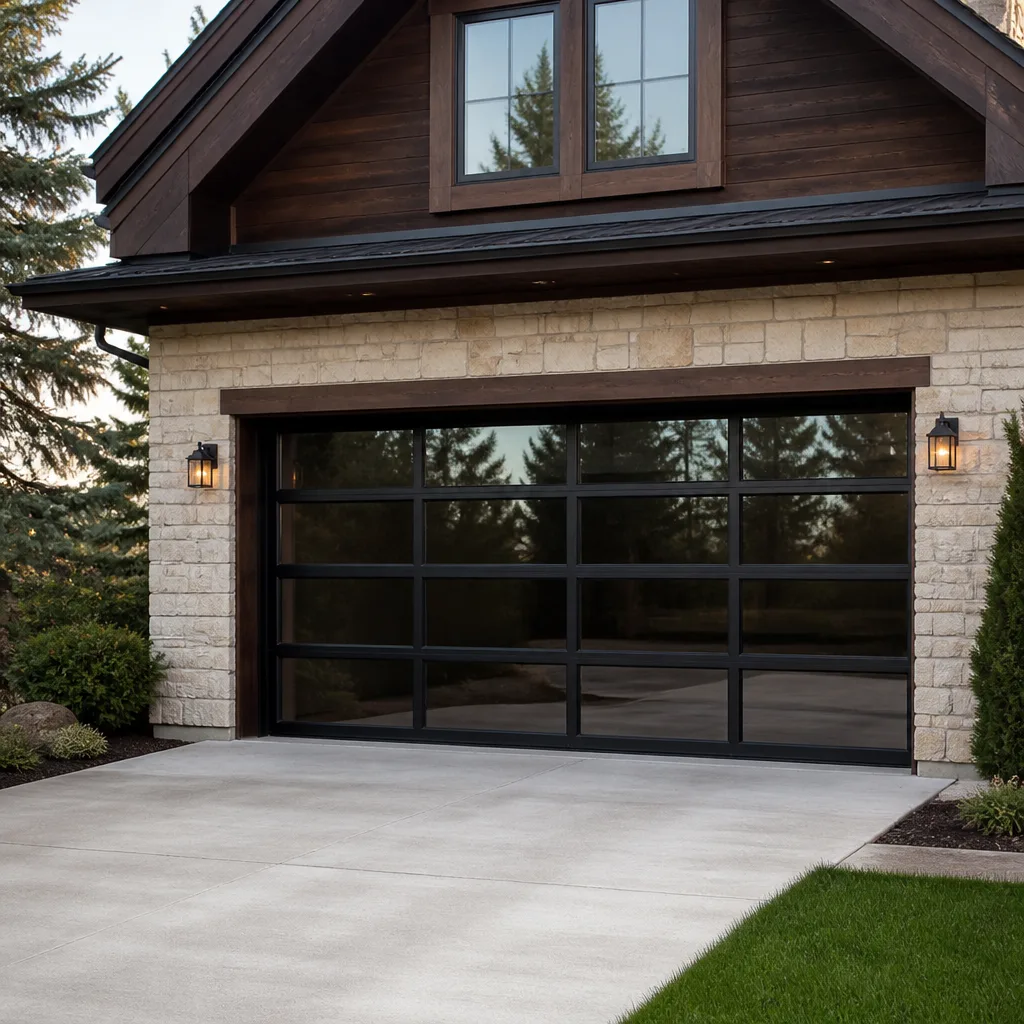 Full-view glass
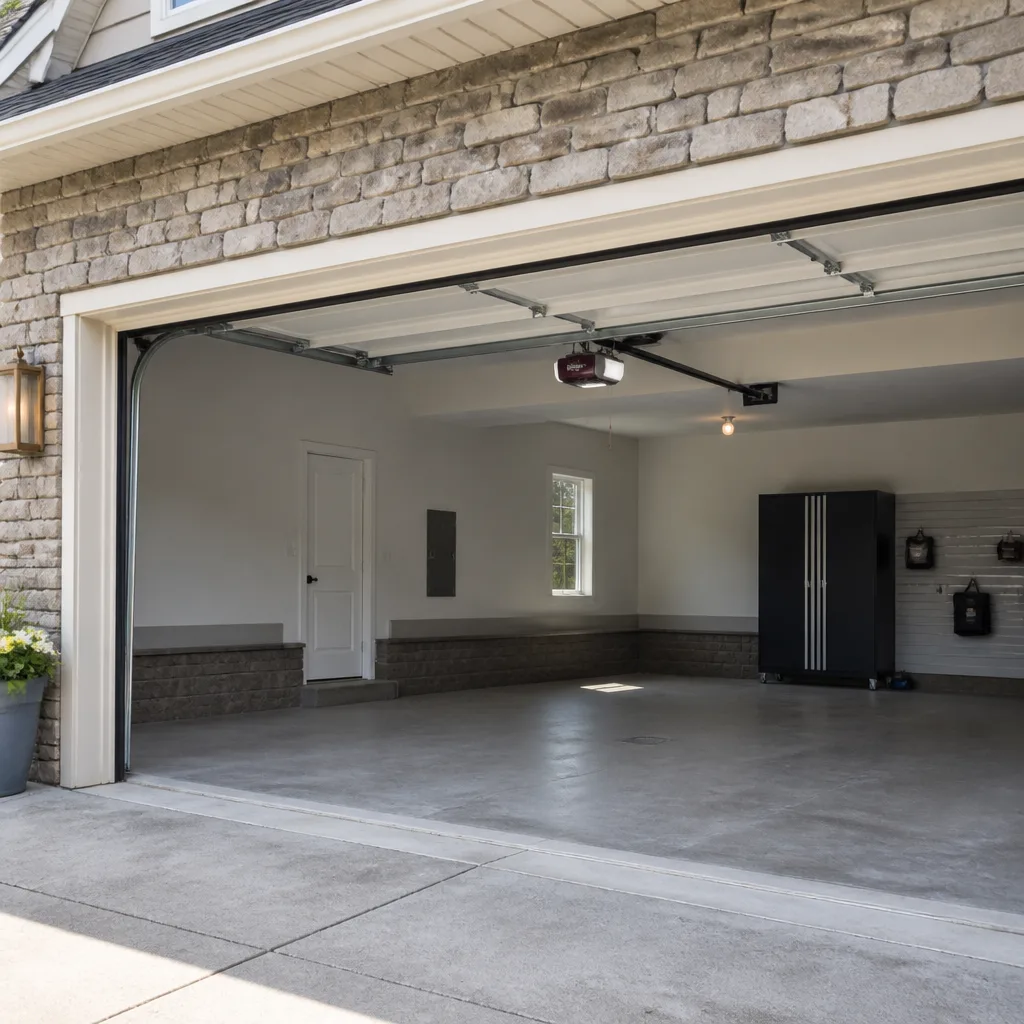 LiftMaster openers
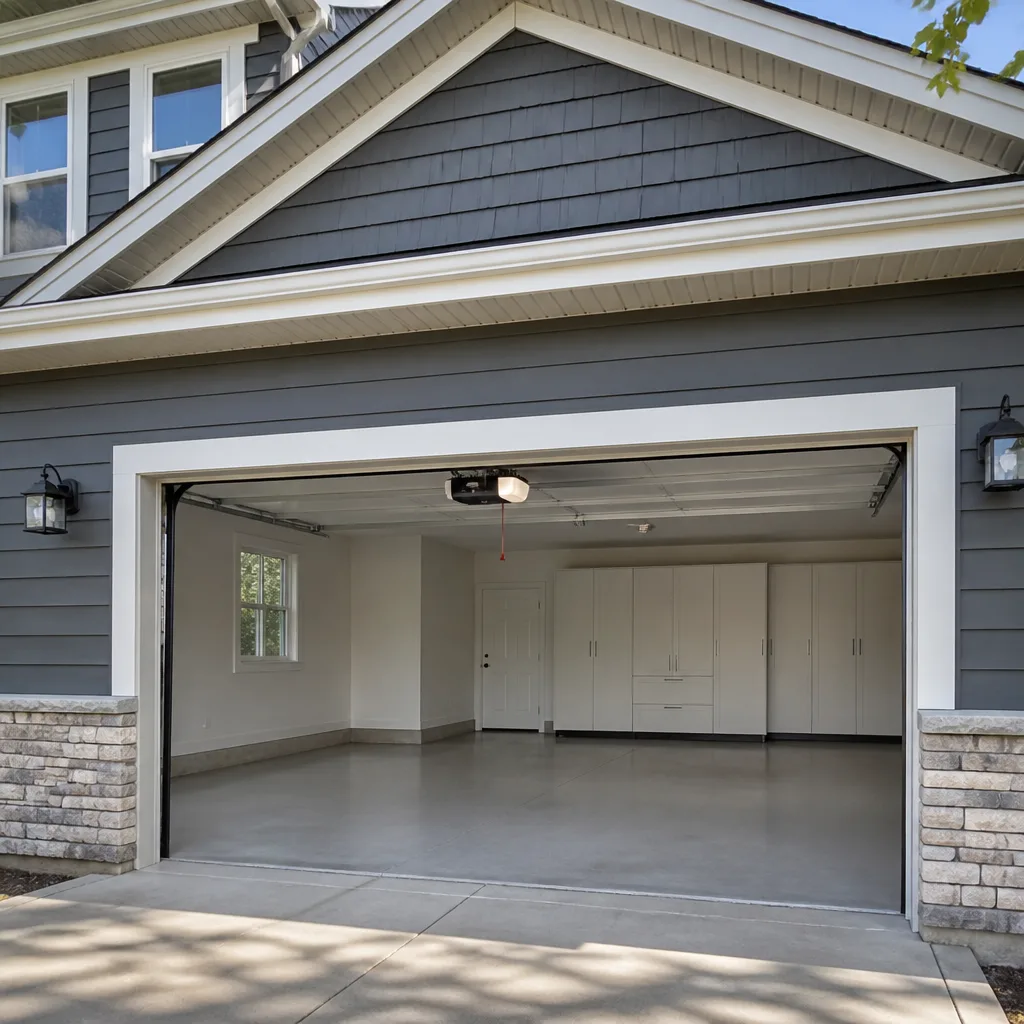 Chamberlain openers
Full 25-point door and opener safety check with every visit - springs, cables, rollers, tracks, and your LiftMaster or Chamberlain opener included
You get a price before we start. It does not change when the pro arrives.
Get your free estimateSeasonal Garage Door Care for Williamsbridge: Year-Round Homeowner’s Guide
Most homeowners treat garage door care as four equal seasons of maintenance. It isn’t. Winter does far more damage to a door in Williamsbridge than the other three seasons combined, and the work you put in during October decides whether February is quiet or expensive. The freeze-thaw cycles that roll through the Bronx, the road salt that gets tracked onto the bottom seal, and the way cold shrinks metal and stiffens grease all hit a door that wasn’t prepared. This guide front-loads the effort where it actually counts, then walks you through what to check in every season so nothing sneaks up on you.
Styles & brands we work with
- Raised-panel steel
- Carriage house
- Modern flush
- Full-view glass
- LiftMaster openers
- Chamberlain openers
Quick Answer
Seasonal garage door care in Williamsbridge comes down to one priority: prepare hard in October, inspect lightly the rest of the year. A pre-winter sequence of lubrication, seal inspection, balance checking, and hardware tightening prevents most cold-weather failures. Spring, summer, and fall are for catching corrosion, humidity damage, and weatherstripping wear before they compound. The single most useful habit is a monthly visual check of springs, cables, rollers, and the bottom seal, done by hand and eye only.
Table of Contents
- Why Winter Does Most of the Damage in Williamsbridge
- The Pre-Winter Prep Sequence for Bronx Freeze-Thaw Cycles
- Spring Cleaning: Reversing Winter Corrosion
- Summer Humidity and Wooden Door Panels
- Fall Weatherstripping and the Energy Cost of a Bad Seal
- How Temperature Affects Torsion Spring Tension
- Opener Care Through the Seasons
- The Monthly Five-Minute Check
- Common Mistakes to Avoid
- When to Call a Professional
- Frequently Asked Questions
- The Bottom Line
Why Winter Does Most of the Damage in Williamsbridge
February is the busiest month for emergency garage door calls in the Bronx. That surprises people, because doors don’t fail in February. They fail in October and nobody notices. The grease that should have been applied before the first freeze never gets applied, the bottom seal that was already cracked gets torn open by road salt and ice, and the slow degradation that started in the fall stays invisible until it’s 14 degrees outside and the door won’t move.
Williamsbridge sits in a part of the Bronx that sees real freeze-thaw cycling through the winter. Temperatures swing above and below freezing repeatedly, which means moisture gets into seams, expands overnight, and contracts again the next day. That cycle works on metal hardware, wooden panels, and rubber seals alike. A door that looks fine in November can be measurably stiffer by January.
Road salt compounds the problem. The streets around Williamsbridge get treated through the winter, and that salt gets tracked onto the garage floor and onto the bottom seal every time a car pulls in. Salt is abrasive and corrosive, and it sits against the seal for months. By spring, a seal that was serviceable in the fall is often cracked, hard, and letting water in.
Cold also changes how the whole system feels. Metal contracts. Lubricant thickens. The torsion spring that was balanced in warmer weather behaves differently. None of these changes are dramatic on their own, but together they mean a door that was smooth in September can feel heavy and reluctant by December.
The takeaway is simple: if you only do one round of seasonal care all year, make it the fall round. Everything else is maintenance. The fall round is prevention.
The Pre-Winter Prep Sequence for Bronx Freeze-Thaw Cycles
The pre-winter sequence is the most important work you’ll do on your garage door all year. Do it before the first hard freeze, ideally in the first half of October. Here’s the order that matters, and why the order matters.
- Inspect the bottom seal first. The bottom seal is the door’s first line against water, salt, and cold air. Run your hand along it and look for cracks, hardness, or gaps where it meets the floor. A seal that’s already failing won’t survive the salt and ice. Replacing it before winter is far easier than dealing with a frozen, stuck door in January.
- Clean and lubricate the rollers, hinges, and tracks. Use a garage door lubricant, not household oil and not WD-40. Cold thickens the wrong lubricant until it stops doing its job. A proper lubricant stays effective at low temperatures and keeps the door moving smoothly when everything else wants to stiffen.
- Test the door balance by hand. Disconnect the opener, lift the door to about halfway, and let go. A balanced door holds its position. A door that drops means the spring tension is off, and that imbalance will get worse as temperatures fall. This is a check, not a repair. If the door drops, stop and call a professional.
- Check the weatherstripping around the frame. Look for gaps, tears, or sections that have pulled away. Cold air gets in through the smallest gaps, and water follows it. Replacing worn weatherstripping in October costs little and prevents a lot.
- Tighten the hardware. Vibration loosens bolts over time, and cold makes loose hardware rattle and work itself looser. Check the hinge bolts and the track brackets. Snug, not over-torqued.
- Look at the cables. Cables should be taut and free of fraying. A frayed cable in October is a snapped cable in February. Visual inspection only; never touch a cable under tension.
- Clear the tracks of debris. Leaves, grit, and small debris collect in the tracks through the fall. A clean track means the rollers run true and don’t bind when the door gets heavier in the cold.
This sequence takes an hour or two on a typical Williamsbridge door. It’s the difference between a quiet winter and a February emergency call. If any part of it looks beyond a homeowner’s comfort level, particularly the balance test or the cables, Garage Door Repair Williamsbridge can handle the inspection and tell you what actually needs attention.
Spring Cleaning: Reversing Winter Corrosion
Spring is when you find out how winter treated your door. The salt, the moisture, and the freeze-thaw cycles have been working on the hardware for months, and the damage doesn’t announce itself. It shows up as stiff rollers, rusty hinges, and a bottom seal that’s started to crack.
The spring round of care is about reversing winter corrosion before it becomes permanent. Here’s what to check:
- Rollers. Look for flat spots, rust, or wobble. Rollers that ran smoothly in the fall often show wear by spring. Worn steel rollers are a common cause of noisy, jerky doors.
- Hinges. Rust on the hinges is normal wear, but heavy rust or seized hinges mean the door is working harder than it should. Lubricate them, and replace any that won’t move freely.
- Bottom seal. This is the part that took the most abuse. Check the full length for cracks, hardening, and separation from the door. If it’s stiff and brittle, it’s done.
- Tracks. Salt and grit collect in the tracks. Wipe them down and check for any bends or dents that would make the rollers bind.
- Cables and springs. Look for rust or fraying on the cables. Springs don’t usually rust visibly, but they do weaken, and a spring that struggled through winter is closer to the end of its life.
Spring is also a good time to clean the door itself. A wooden door that saw salt spray through the winter benefits from a gentle wash and a check for any water damage. A steel door benefits from a wash and a look at any paint or finish that’s flaking. Catching finish damage in spring means you can address it before summer humidity gets into the material.
For Williamsbridge homeowners with wooden doors, spring is the season to look closely at the bottom edges of the panels. That’s where water sits longest and where winter damage shows first.
Summer Humidity and Wooden Door Panels
Summer in the Bronx brings humidity, and humidity is hard on wooden garage doors. Wood absorbs moisture from the air, and when it does, it swells. Panels that fit tightly in dry weather can bind, warp, or crack when the humidity climbs. A door that was fine in May can start to stick by July.
The June check is about catching humidity damage early, before it gets worse through the summer. Here’s what to look at:
- Panel seams. Look for gaps that weren’t there before, or panels that look like they’ve shifted. Swelling wood pushes panels out of alignment.
- Bottom edges of the panels. This is where moisture collects. Look for soft spots, discoloration, or paint that’s starting to bubble. Soft wood means water has gotten in.
- Paint and finish. A cracked or flaking finish lets moisture into the wood. Touch up any areas where the finish has failed, especially on the bottom panels and around the edges.
- Panel alignment. Open and close the door and watch the panels. If the door binds or looks uneven, humidity may have warped a panel.
- Inside of the door. The interior face of a wooden door often shows humidity damage first, because it’s less protected than the exterior. Look for staining or discoloration.
If you have a wooden door from a brand like Clopay or Amarr, the panel construction is generally sound, but no wooden door is immune to humidity. The key is to catch problems in June, before the worst of the summer humidity sets in, so you can address them before they spread.
Steel and aluminum doors don’t warp from humidity the way wood does, but they’re not completely immune to summer problems. High heat can affect the seals and the lubricant, and a door that runs hot can show different wear patterns than one that runs cool.
Fall Weatherstripping and the Energy Cost of a Bad Seal
A bad garage door seal costs you money all winter. Cold air gets in through gaps around the door frame and under the bottom seal, and that cold air has to be heated. The garage itself stays colder, and any rooms above or beside it feel the difference. Fall is the season to check the weatherstripping, because once winter arrives, you’re living with whatever gaps you missed.
Here’s a quick test for seal failure you can do yourself:
- The paper test. Close the garage door on a piece of paper, then try to pull the paper out. If it slides out easily, there’s a gap. Do this at several points along the bottom of the door.
- The light test. From inside the garage with the door closed, look along the edges and the bottom for daylight. Any visible light is air getting in.
- The hand test. Run your hand along the bottom seal and the frame weatherstripping. You should feel a consistent seal, not gaps or drafts.
- The visual test. Look for cracks, tears, hardening, or separation. A seal that’s stiff and cracked isn’t sealing anything.
If any of these tests show a gap, the weatherstripping needs attention before winter. Bottom seals are the most common failure point, but the frame weatherstripping and the side seals matter too. A complete seal is what keeps the cold out and the heat in.
Fall is also the time to clean out the tracks and do the pre-winter prep sequence. The weatherstripping check belongs at the front of that sequence, because everything else depends on the door sealing properly.
How Temperature Affects Torsion Spring Tension
Torsion springs are the most dangerous part of any garage door, and temperature affects them in ways most homeowners never think about. The springs are calibrated to counterbalance the weight of the door at a specific tension. When the temperature changes, the metal changes, and the balance shifts.
A door balanced in July may be misaligned by December. Cold makes the spring steel stiffer, and it also changes the way the door moves on its tracks. The result is a door that feels heavier, runs less smoothly, and puts more strain on the opener. The spring isn’t actually weaker, but the system as a whole is working harder.
This is why the fall balance test matters so much. If you check the balance in October and the door holds its position, you know the system is ready for winter. If it drops, you know the spring tension is off and needs professional attention before the cold makes it worse.
Springs are also the part of the garage door system that homeowners should never attempt to adjust or replace themselves. The tension in a torsion spring can cause serious injury if it’s released incorrectly, and the tools and technique required are not something to learn from a video. Our technicians have up to 10 years of experience with this specific job, and we treat it as a core service, not an upsell.
If your door is from a brand like Chamberlain or Genie, the opener and the spring system work together, and a spring that’s out of balance puts extra load on the opener motor. That’s one reason seasonal spring checks matter: a spring problem that goes unaddressed becomes an opener problem too.
Opener Care Through the Seasons
Your garage door opener works harder in winter than any other season. The door is heavier, the lubricant is thicker, and the spring tension has shifted. An opener that’s already marginal will fail under that load. Seasonal opener care is about making sure it’s not the weak link.
Here’s what to check each season:
- Fall. Test the safety reverse. Put a piece of wood on the floor under the door and close it. The door should reverse when it hits the wood. If it doesn’t, the opener needs adjustment before winter.
- Winter. Listen to the opener. Grinding, straining, or a door that moves in jerks are signs the opener is working too hard. Don’t ignore unusual sounds.
- Spring. Check the opener’s chain or belt for slack or wear. A loose chain is noisy and puts strain on the motor.
- Summer. Clean the opener housing and check the mounting brackets. Heat and humidity can loosen fittings over time.
Brand matters when something needs repair. We work on the opener brand already on your home, which means faster diagnosis and the correct parts. garage door opener repair for a LiftMaster, Chamberlain, Genie, or Craftsman system is a different job than for a brand we don’t know, and we’re set up for the most widely installed systems.
If your opener is getting old and you’re weighing repair against replacement, that’s a conversation worth having before winter, not during it. A new opener installed in the fall will handle the winter load better than an old one that’s been limping along.
The Monthly Five-Minute Check
Seasonal care is the big picture, but the five-minute monthly check is what catches problems early. It’s simple, it’s safe, and it’s the habit that prevents most emergency calls. Do it on the same day each month so you don’t forget.
- Look at the springs. Visual only. Check for gaps, rust, or anything that looks different from last month. Never touch a spring under tension.
- Look at the cables. Visual only. Check for fraying, kinks, or slack. Never touch a cable under tension.
- Run the door and listen. Open and close it once. Listen for grinding, squealing, or popping. Unusual sounds are the earliest warning you’ll get.
- Check the bottom seal. Run your hand along it and look for cracks or separation.
- Test the safety reverse. Do the wood-block test once a month. It takes a minute and confirms the opener is doing its most important job.
- Look at the tracks. Check for debris or anything that would make the rollers bind.
If anything in this check looks wrong, write it down and address it before it gets worse. A small issue caught in the monthly check is a repair. The same issue caught in February is an emergency.
Common Mistakes to Avoid
- Skipping the fall prep because the door seems fine. Doors almost never look like they’re about to fail. The prep is what keeps them from failing, and skipping it because everything seems okay is the most common reason Williamsbridge homeowners end up with a February emergency.
- Using the wrong lubricant. Household oil and spray lubricants that aren’t meant for garage doors either attract dirt or thicken in the cold. Use a product made for garage door hardware, and apply it in fall, not January.
- Ignoring the bottom seal. The bottom seal takes the most abuse of any part of the door, especially with the road salt tracked onto it through a Bronx winter. A cracked seal lets in water, and water plus freezing temperatures is how doors get stuck.
- Trying to adjust springs or cables yourself. Torsion springs and cables are under extreme tension. This is the one part of garage door care that should always go to a professional, and no seasonal guide should tell you otherwise.
- Waiting for the noise to get louder. A grinding or squealing door is telling you something. Waiting until it stops working turns a small repair into a bigger one, and possibly a door that won’t open at all.
- Forgetting the opener in seasonal care. The opener is part of the system. A door that’s well maintained but running on a straining opener is still a door that’s going to fail.
- Ignoring humidity in summer. Wooden doors in Williamsbridge need a June check. Humidity damage that starts in June is much easier to fix than the same damage discovered in September.
When to Call a Professional
Some seasonal garage door care is genuinely DIY: lubricating rollers, cleaning tracks, testing the seal, checking the balance by hand. Everything involving springs, cables, or a door that’s clearly out of balance belongs with a trained technician. The same goes for any door that’s stuck, making unusual sounds, or won’t reverse on the safety test.
If your door is a brand like Wayne Dalton or Raynor, and it’s acting up in a way that doesn’t match the seasonal patterns in this guide, it’s worth having it looked at rather than guessing. We’re familiar with the eight leading brands homeowners actually have, which means we can diagnose the specific system on your home rather than working around it.
Garage Door Repair Williamsbridge offers free estimates in Williamsbridge. For a seasonal tune-up, a spring issue, or a door that’s stopped cooperating, call (844) 443-3810. We answer 24/7. Fast dispatch from 7am to 7pm, Sunday through Friday. The price is quoted and agreed before any work starts, so you know what you’re paying before we begin.
Frequently Asked Questions
A garage door in Williamsbridge should get one thorough pre-winter service each fall, a lighter spring check, and a five-minute visual inspection monthly. The fall service is the one that matters most, because winter is when most door failures happen. A door that’s used heavily, or one that’s getting older, benefits from a spring tune-up as well. Call (844) 443-3810 for a free estimate if you’re not sure what your door needs.
Winter makes garage doors harder to open because cold thickens lubricant, stiffens the spring steel, and changes the way the door moves on its tracks. The door isn’t actually heavier, but the whole system works against more resistance. The fix starts in fall: lubricate the rollers and hinges with the right product and check the door balance before the cold sets in. If your door is already struggling, call (844) 443-3810 for an estimate.
Yes. Wooden garage doors in the Bronx need extra attention to humidity in summer and moisture damage in spring. Summer humidity can cause panels to swell and warp, and the bottom edges of the panels are where moisture damage shows first. Check the panels in June and touch up any failing finish before the wood absorbs water. If you’re seeing soft spots or warping, call (844) 443-3810 for an estimate.
The most important task is the pre-winter prep in October. It’s the round of care that prepares the door for the freeze-thaw cycles, road salt, and cold that define a Bronx winter. Lubricating the moving parts, inspecting the bottom seal, checking the balance, and tightening the hardware before the first freeze prevents more problems than any other seasonal task. Call (844) 443-3810 if you’d rather have the inspection done for you.
Summer heat can damage a garage door, especially a wooden one. Humidity causes wood to swell and warp, and heat can affect seals and lubricants. Steel doors are more heat-resistant but can still show wear on seals and moving parts. The June check is about catching humidity damage early, before it gets worse through the summer. Call (844) 443-3810 for an estimate if you’re seeing warping or sticking.
You can tell if a garage door seal needs replacing by doing the paper test, the light test, or a simple visual check. Close the door on a piece of paper and try to pull it out; if it slides easily, there’s a gap. Look for daylight along the edges and the bottom, and check for cracks, hardening, or separation. Any of these signs means the seal isn’t doing its job. Call (844) 443-3810 for an estimate on a replacement.
The Bottom Line
Seasonal garage door care in Williamsbridge is not four equal seasons of work. Winter is the season that does the most damage, and the fall prep is what prevents it. The October sequence (inspect the seal, lubricate the moving parts, check the balance, tighten the hardware) does more for your door than everything else combined. Spring is for reversing winter corrosion. Summer is for catching humidity damage on wooden panels. Fall is for weatherstripping and the pre-winter prep itself. Add a five-minute monthly visual check, leave the springs and cables to a professional, and your door will handle the Bronx winter far better than one that’s been left alone. For a professional seasonal inspection or any repair, garage door repair that’s done right starts with a free estimate, and we’re a call away. If you’re weighing a new door rather than a repair, garage door installation in Williamsbridge is something we can walk you through.
Call (844) 443-3810. We answer 24/7. Fast dispatch from 7am to 7pm, Sunday through Friday. Free estimates, and the price is quoted and agreed before any work starts.
Written by the team at Garage Door Repair Williamsbridge.
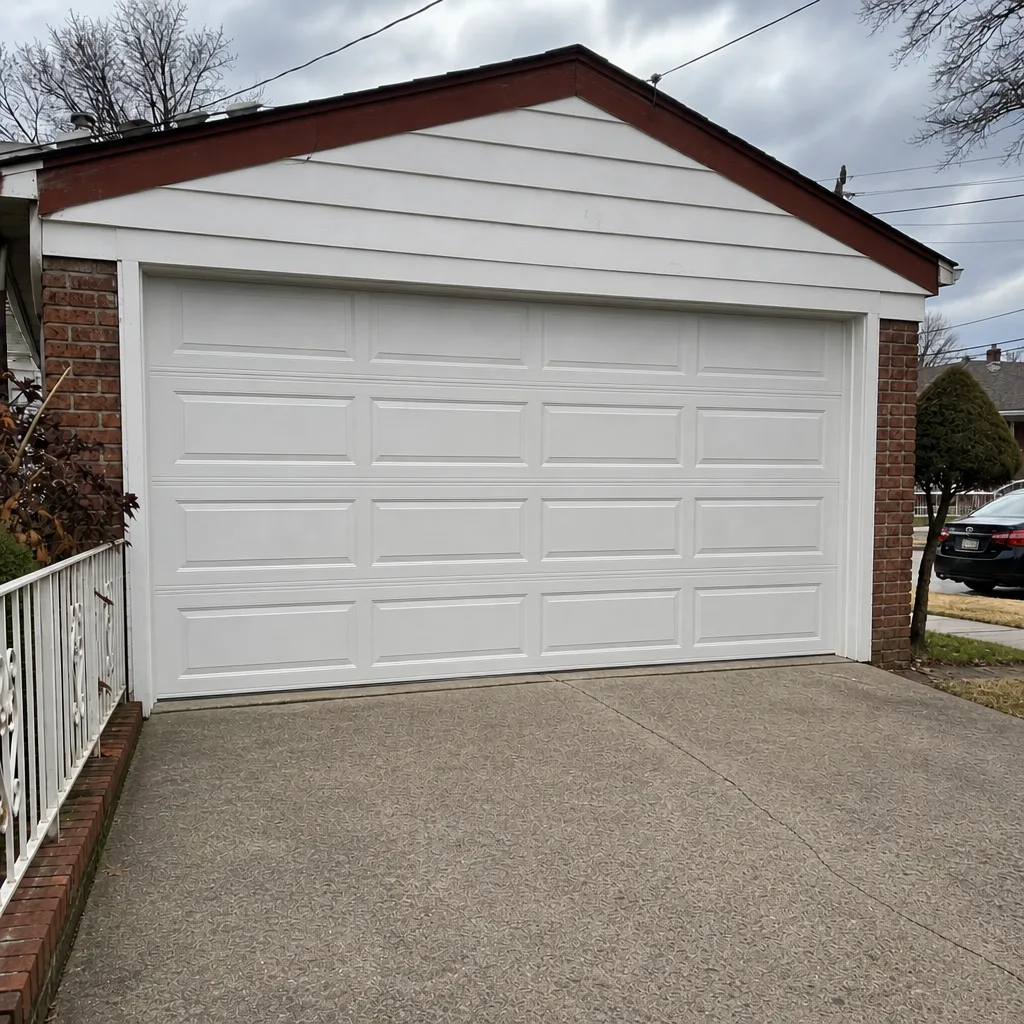
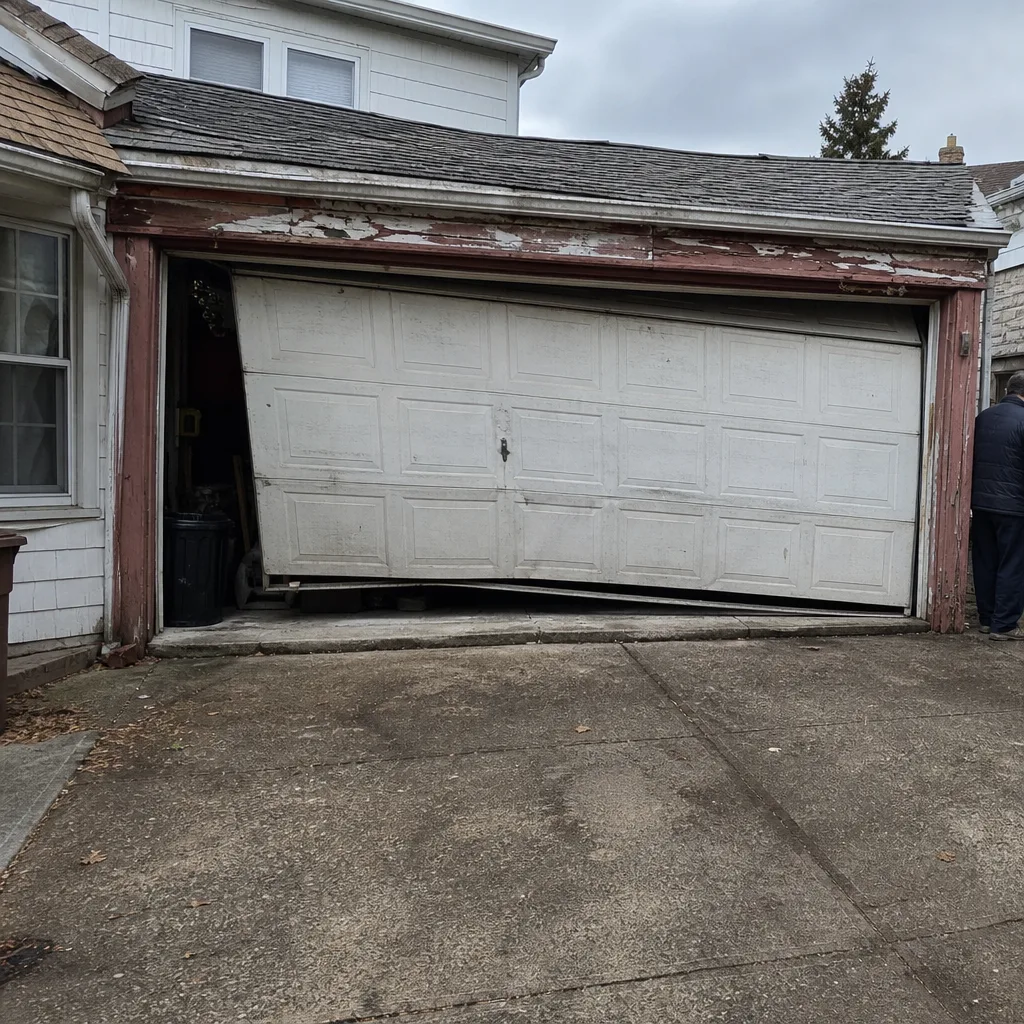
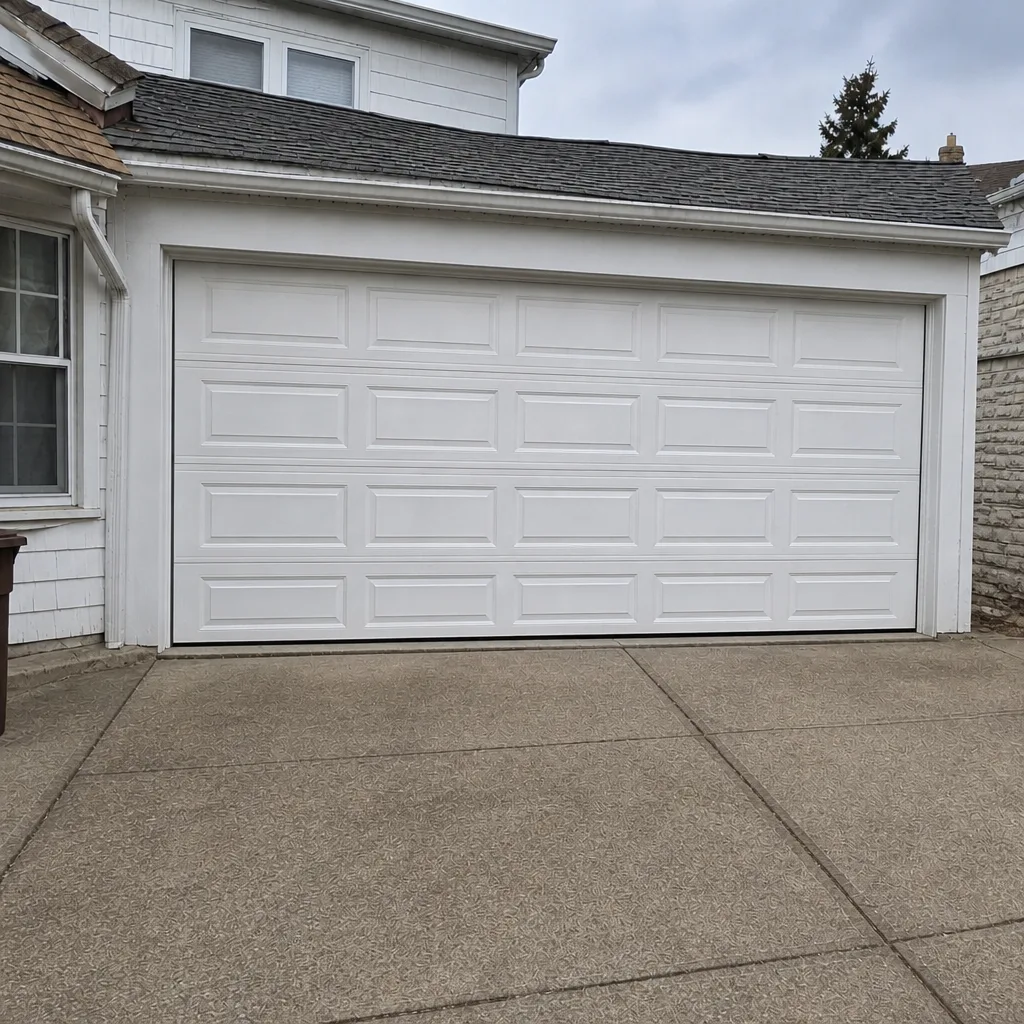
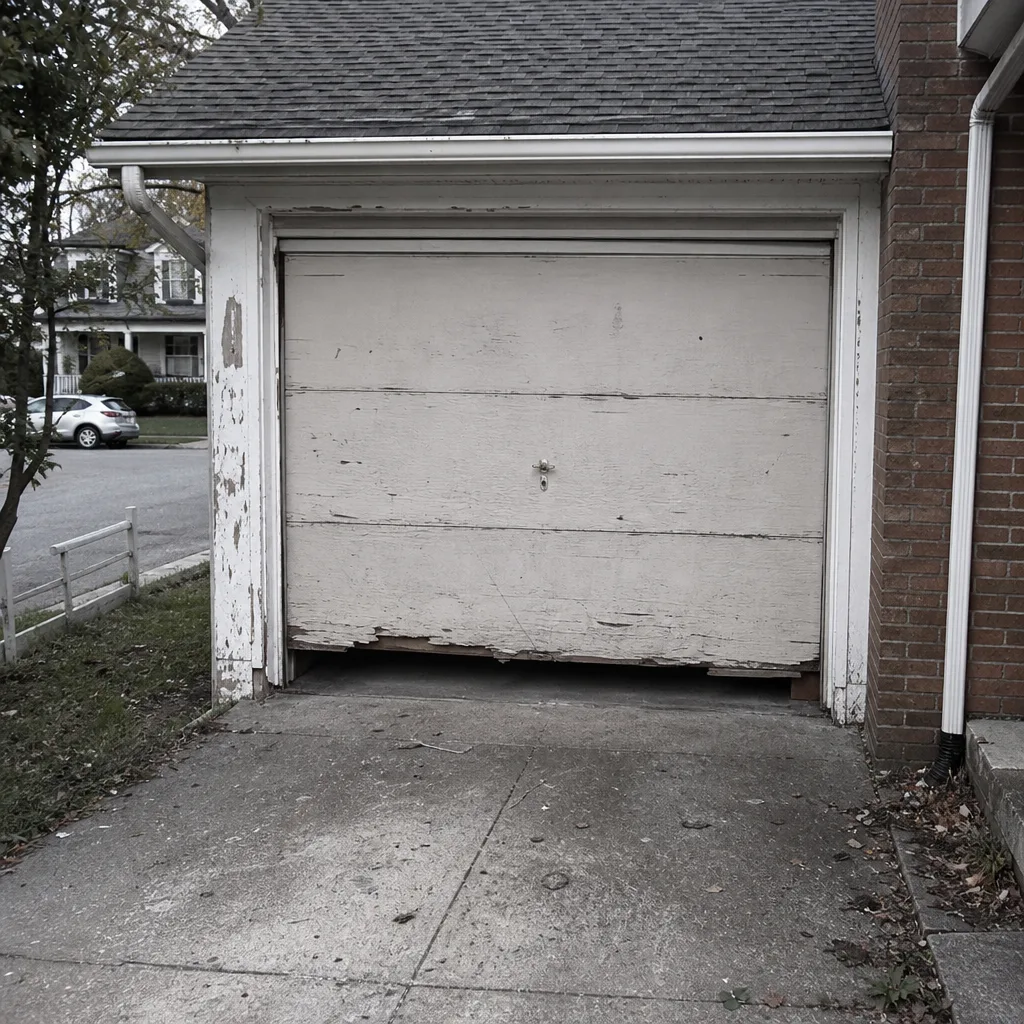
See the difference
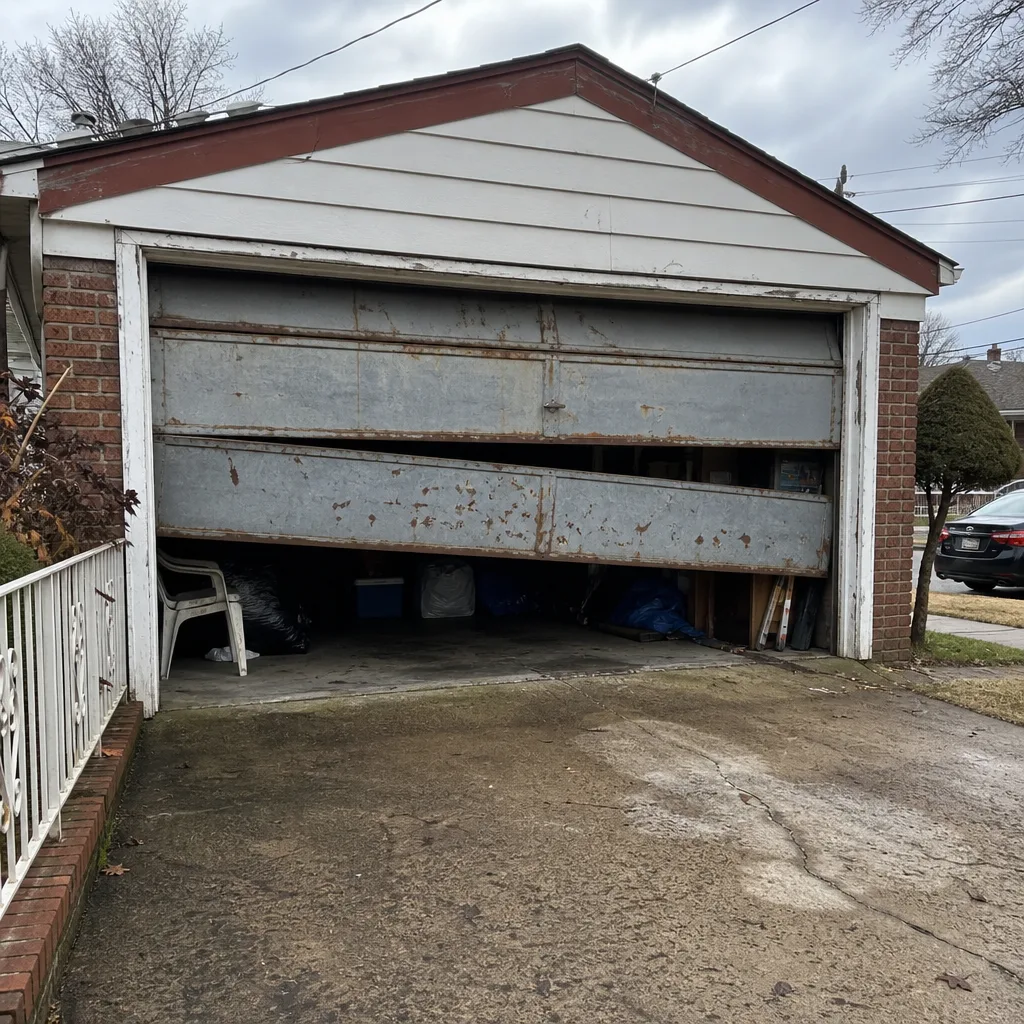 Before
 After
 Before
 After
 Before
 After