
Last updated November 21, 2026
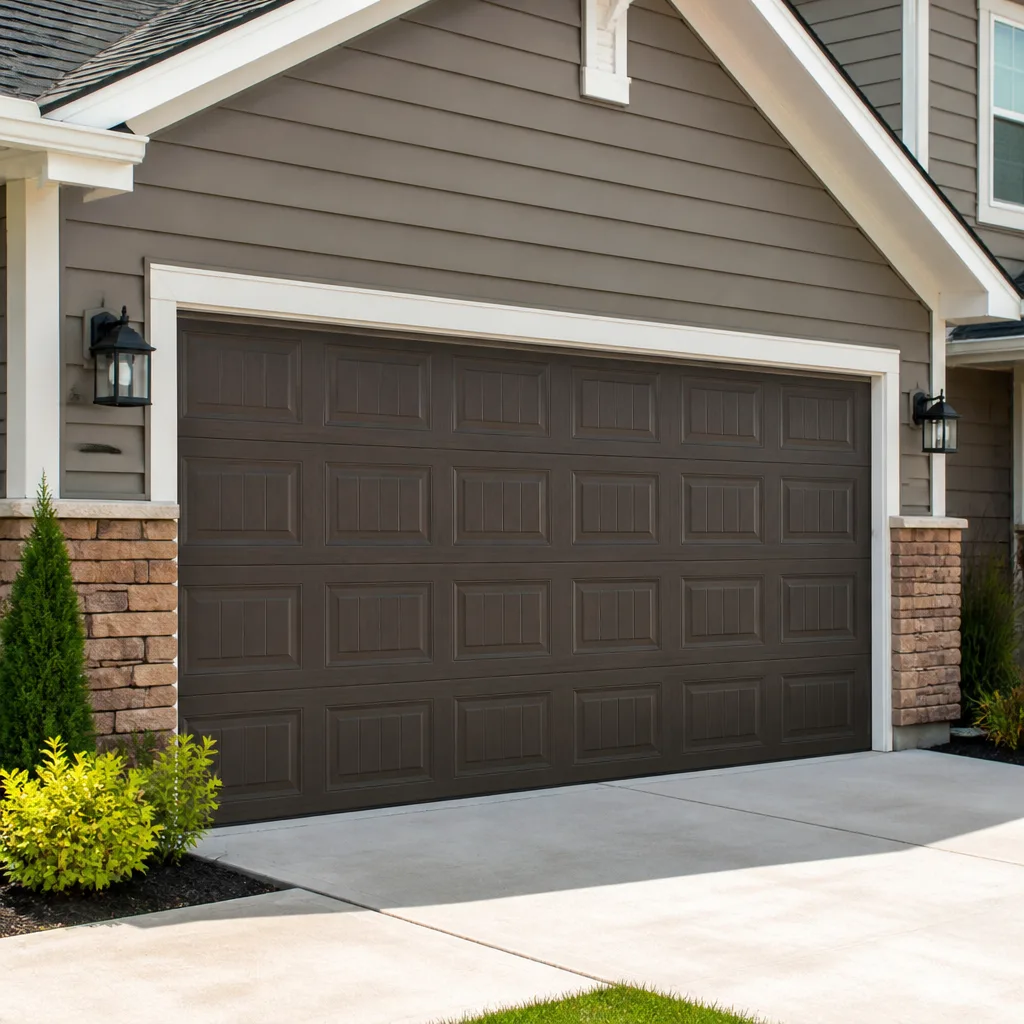 Raised-panel steel
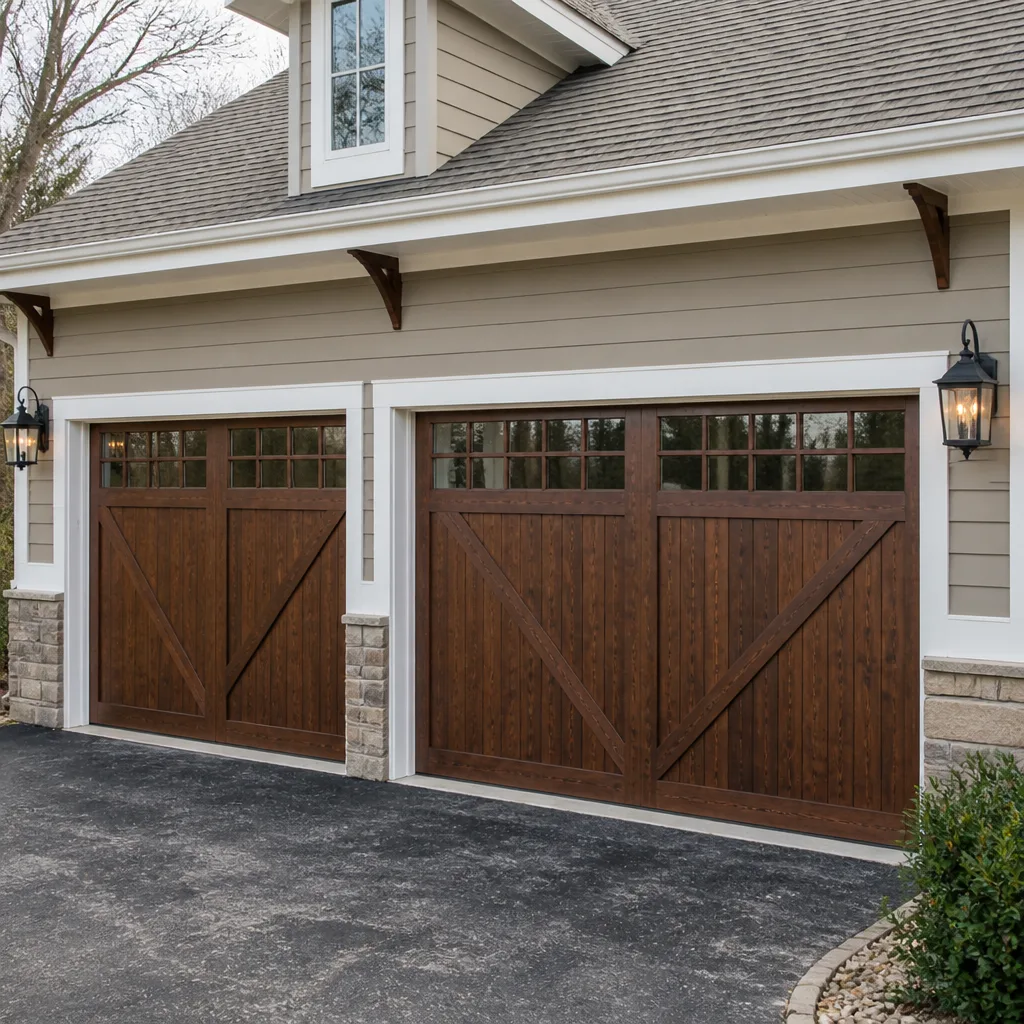 Carriage house
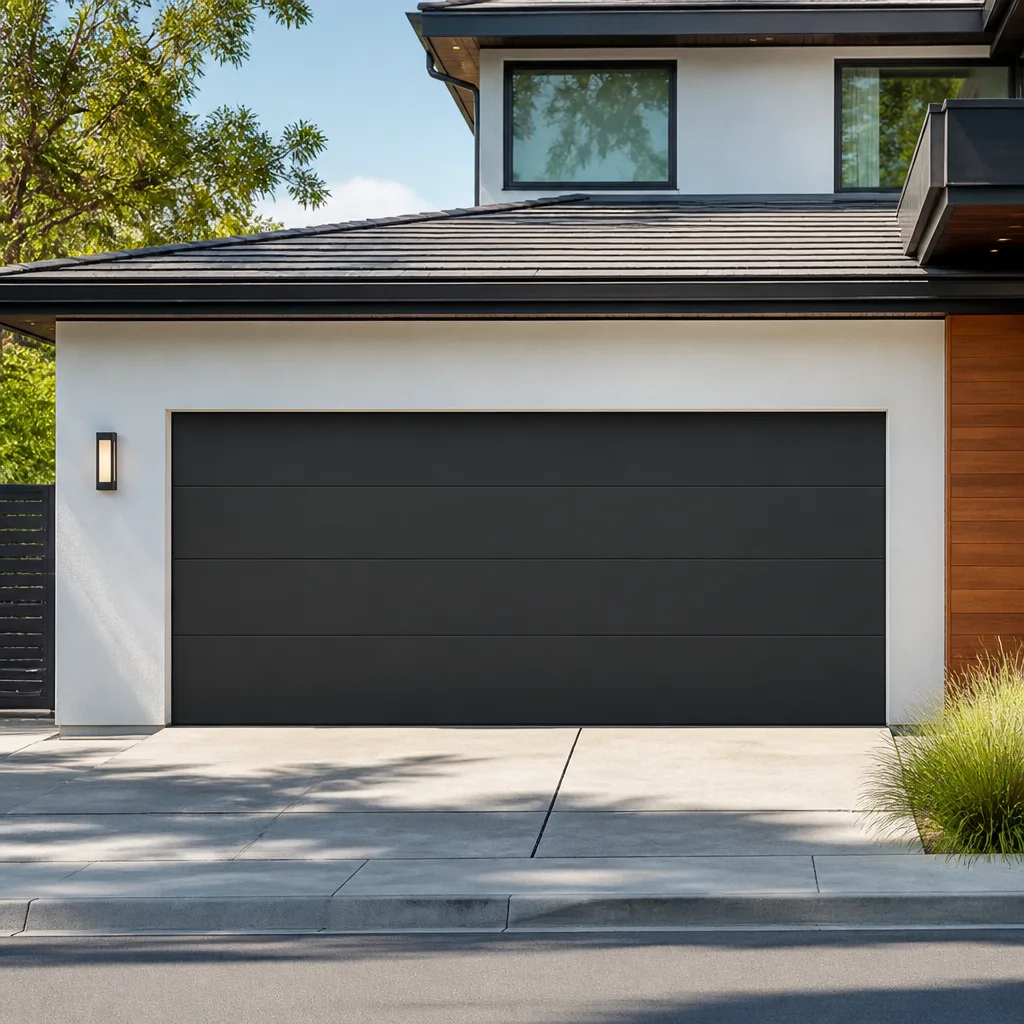 Modern flush
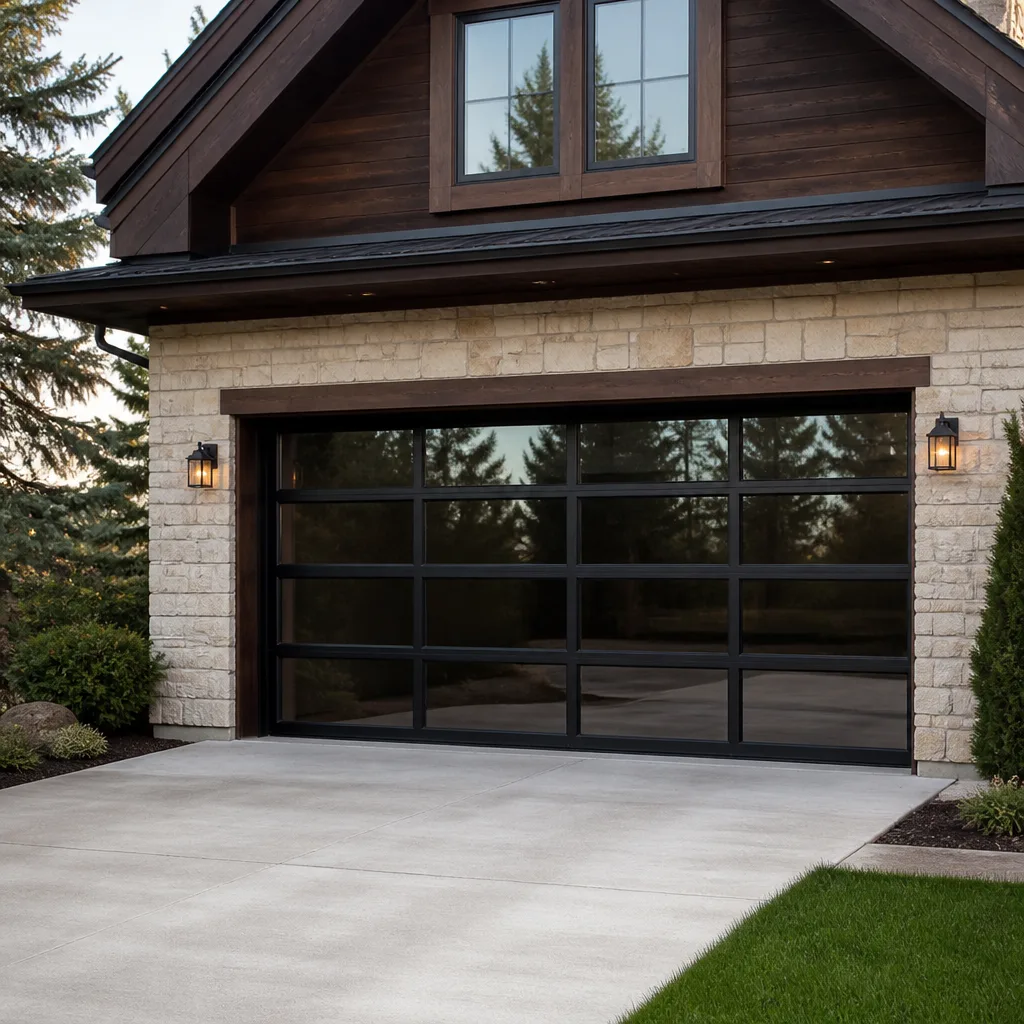 Full-view glass
 LiftMaster openers
 Chamberlain openers
Full 25-point door and opener safety check with every visit - springs, cables, rollers, tracks, and your LiftMaster or Chamberlain opener included
You get a price before we start. It does not change when the pro arrives.
Get your free estimateGarage Door Warning Signs: A Williamsbridge Homeowner’s Reference Guide
A grinding noise and a squeaking noise coming from your garage door are not the same problem. One usually means dry moving parts that need lubrication. The other often means a roller is on its way out and will eventually seize or shatter. Getting that distinction wrong sends homeowners down the wrong repair path and can turn a small fix into a much bigger one. Most garage door failures don’t arrive without warning, either. They announce themselves weeks ahead through sound, movement and visible wear, and the warnings have a specific order and meaning. This guide decodes those signals for Williamsbridge homeowners, so you can self-triage what you’re hearing and seeing before you pick up the phone.
Quick Answer
Grinding points to dry or worn moving parts, squealing usually means a failing roller or a dry torsion spring, popping is a spring under load, and rattling is loose hardware. Visually, look for gaps in the spring coil, a door that hangs crooked, and hinges that show rust streaks. Any sign that involves the springs, cables or the door dropping is a stop-and-call situation, while noise and minor vibration are usually watch-and-schedule items.
Styles & brands we work with
- Raised-panel steel
- Carriage house
- Modern flush
- Full-view glass
- LiftMaster openers
- Chamberlain openers
Table of Contents
- The Sound-to-Problem Decoder
- Visual Signs of Spring Wear You Can See From the Floor
- How Your Opener’s Behavior Tells You What’s Wrong
- The Safety Reversal Test and What a Failure Means
- Watch-and-Wait vs. Same-Day Service
- Brand-Specific Signals Worth Knowing
- How a Williamsbridge Winter Pressures Your Door
- Common Mistakes to Avoid
- When to Call a Professional
The Sound-to-Problem Decoder
Sound is the fastest diagnostic tool a homeowner has, and it’s free. You hear the door every day, so you’ll notice a change before you see one. The trick is translating the noise into a part. Here’s how we break it down for Williamsbridge homeowners, based on what our technicians hear most often on the brands installed across the neighborhood.
- Grinding – Usually dry or worn moving parts: rollers running on a dry track, a torsion tube rubbing metal, or a lack of lubrication on the hinges. Often the least urgent, but it accelerates wear if ignored.
- Squealing – Typically a failing roller with a worn bearing, or a dry torsion spring. Squealing tends to get worse over a few weeks, then stops suddenly. When it stops, the roller has usually seized.
- Popping – A single, sharp pop often means a torsion spring is under load and about to fail. Repeated popping with the door in motion can also point to binding track. This is a call-now sound, not a watch sound.
- Rattling – Loose hinges, bracket bolts or track fasteners vibrating as the door travels. Rarely dangerous on its own, but tighten it before vibration loosens something structural.
- Clicking near the opener – On a LiftMaster or Chamberlain unit, a sharp click that doesn’t move the door can mean a stripped gear or a failing travel limit. It’s an opener issue, not a door issue.
- Metal-on-metal scraping – A bent track or a cable rubbing against a worn drum. Treat it as same-day, because a cable out of its groove can whip or snap.
One thing to keep in mind: the sound alone rarely tells the whole story. A squeal could be a roller or a spring, depending on where it originates. If you can stand near the door safely while someone runs it, you’ll hear the difference between a high-pitched squeal along the track and a lower, deeper creak that comes from the torsion assembly overhead. When you’re not sure, that’s the point to stop guessing and have it looked at.
Visual Signs of Spring Wear You Can See From the Floor
Springs are the most dangerous part of any garage door system, and you don’t need to touch them to read their condition. Stand back and look up. The torsion springs run along the shaft above the door, and extension springs (on doors that use them instead) run alongside the horizontal tracks. You’re looking for wear patterns, not measuring anything.
- Look for a visible gap in the coil. A torsion spring is a continuous coil. A single gap where the coil has separated means the spring has broken or stretched, and the door is being held by the other spring or by the opener alone. Do not run the door.
- Check for rust streaks along the springs and hinges. Light surface rust on a Clopay or Amarr steel door in a humid Williamsbridge summer is common and usually cosmetic. Concentrated rust at a hinge or spring end is a wear point that deserves a look.
- Watch the door travel straight and level. If one side rises higher than the other, or the door sags toward one corner, the springs aren’t lifting evenly. That puts extra load on the opener and the tracks.
- Look at the cables on the side tracks. Cables should sit snug and evenly wound. A frayed cable or one that’s jumped its drum is a stop-immediately sign.
- Notice the door’s resting position. A door that won’t sit flush with the floor, or that hangs slightly open at one side when closed, means the balance is off.
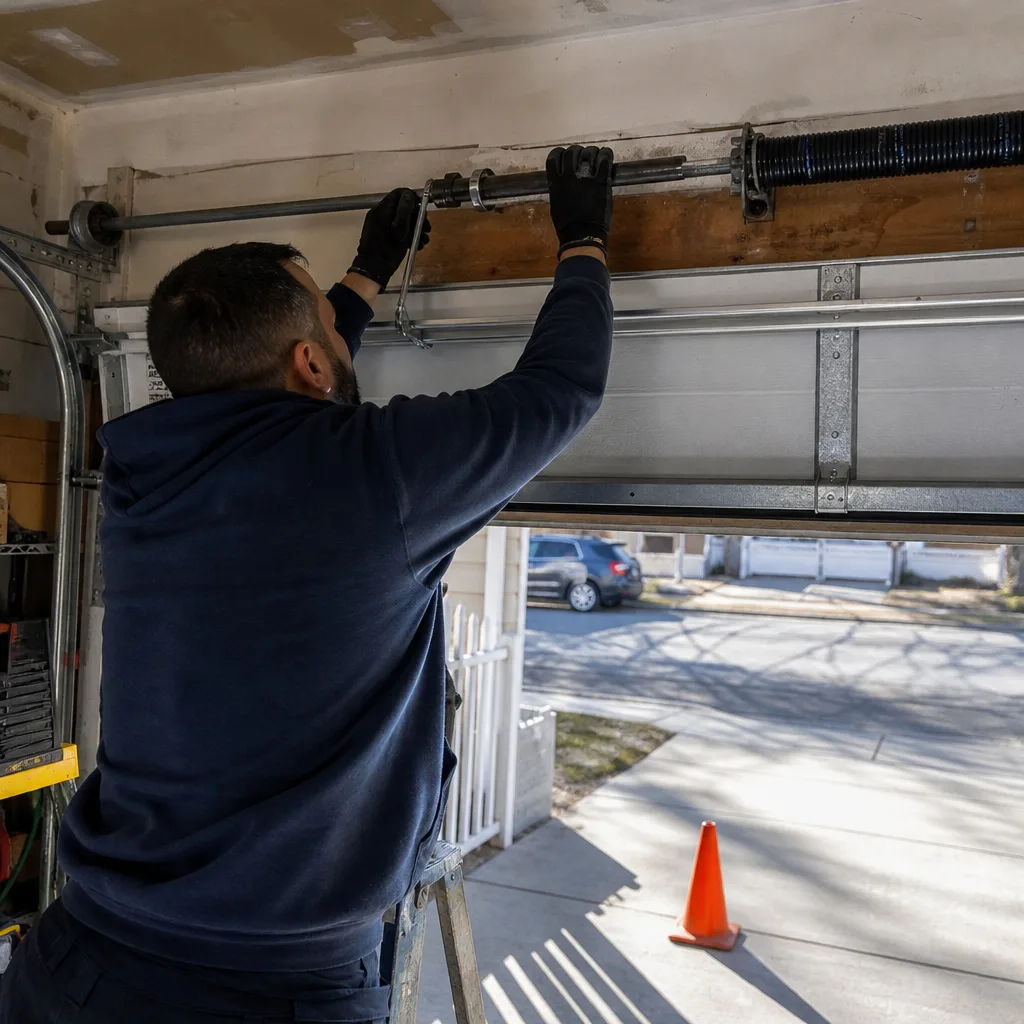
What you should not do is reach up, touch, or try to adjust anything on the spring shaft or the cable drums. Those parts hold the full weight of the door under tension. A spring that’s about to fail can release without warning, and the energy in a wound torsion spring is enough to cause serious injury. Our technicians have up to 10 years of experience handling springs, and even they treat every spring job as a high-risk job. Look from the floor, note what you see, and leave the diagnosis of springs to a trained professional.
How Your Opener’s Behavior Tells You What’s Wrong
A slow, uneven or hesitant response from the opener is a different problem than a door that won’t move at all. Homeowners often assume both are “the opener dying,” but the distinction matters because it decides whether you need a motor repair, a door adjustment, or a bit of both.
When the opener responds but sluggishly, think balance and resistance before you think motor. A door that struggles to lift, starts slow and speeds up, or stops partway and reverses is usually fighting a door that’s out of balance, binding in the track, or working against a failing spring. The opener is telling you it’s straining. On a LiftMaster or Chamberlain unit, that strain often shows up first as a slower lift, then as a door that reverses before it fully closes. That’s not necessarily the motor’s fault, and replacing the motor won’t fix a binding door.
When the opener doesn’t respond at all, start at the simplest layer. Check the wall switch, the remote battery, and whether the safety sensors are lined up and clear. A Craftsman or Genie opener with a misaligned sensor will click and refuse to close, which looks like a dead motor but isn’t. If the wall switch works and the remotes don’t, you’re looking at a remote or receiver issue. If nothing works, the opener has lost power or the logic board is failing.
When the opener responds inconsistently, the door sometimes moving and sometimes not, the cause is often a travel limit or force setting that’s drifted, or a logic board on its way out. This pattern is common on older Genie and Craftsman units and is exactly the kind of thing that’s faster to diagnose when the technician works on your specific brand. If you’re not sure which side of the line you’re on, our garage door opener repair service starts with the door itself, because a well-balanced door is the first thing an opener needs.
The Safety Reversal Test and What a Failure Means
The safety reversal test is the single most important monthly check you can run on your garage door, and it takes about a minute. It confirms that the door will reverse if something is in its path, which is the whole point of the safety sensors and the opener’s force limit. A failed test means the door could close on a person, a pet or a vehicle.
- Park the car clear of the door and make sure no one is near the tracks.
- With the door fully open, press the wall switch or remote to close it.
- As the door comes down, wave a rigid object (a broom handle works) slowly through the beam of the safety sensors near the floor.
- The door should reverse and go back up. If it continues down, the sensor or opener has a problem.
- Run a second test with an actual object lying flat in the door’s path. The door should reverse on contact. If it pushes down on the object instead, the force limit is set too high.
What a failure means depends on which part failed. If the door ignores the sensor beam, the optical sensors are misaligned, dirty or faulty, or the opener’s logic board isn’t reading them. If the door pushes down before reversing, the force limit is set too high and needs adjustment. Either way, a door that fails this test should not be run unattended, and the sensors and force settings are things to have checked by a professional who works on your opener brand. We treat a failed reversal test as a same-day service call, because it’s the one warning sign that directly affects safety in the home.
Watch-and-Wait vs. Same-Day Service
Not every warning sign needs a call today, and knowing the difference saves you money and worry. This is the rough split we use when a homeowner describes symptoms over the phone, though the person on site always makes the final call. When in doubt, call and describe it. We’d rather tell you it can wait than have you ignore something that can’t.
Watch-and-wait (schedule within the week):
- Light grinding or squealing that just started
- Rattling hardware you can see is loose
- Surface rust on hinges with no other symptoms
- A remote that’s working intermittently
- A door that’s slightly louder than usual but still travels evenly
Same-day service (call today):
- Any visible gap in a torsion spring, or the door won’t lift at all
- A cable that’s jumped the drum, frayed or hanging loose
- The door hangs crooked, sags at one side, or won’t sit flush
- Popping or snapping from the spring area
- A failed safety reversal test
- A broken spring blocking a car inside, or a stuck door that won’t open securely
The reason the second list is same-day is not urgency for its own sake. It’s that these symptoms point at parts under load, and running the door with a failed spring or a loose cable puts the rest of the system, and anyone standing near it, at risk. A broken spring on one side means the other spring and the opener are carrying twice the load they were built for. That’s how a single spring failure becomes a bent track, a stripped opener gear and a door that no longer works at all. Same-day service on these signs prevents the second, more expensive failure. We answer 24/7. Fast dispatch from 7am to 7pm, Sunday through Friday.
Brand-Specific Signals Worth Knowing
The brand already on your home tells a technician a lot before the door is even opened. Williamsbridge has a mix of door and opener brands across its homes, and a few are worth calling out because their failure patterns are recognizable. We work on brand-specific systems every week, and familiarity with the hardware speeds up diagnosis and gets the right parts the first time.
Clopay and Amarr steel doors are common on homes here, and their warning signs tend to show up as dents and panel bending near the bottom section, where the door takes the most contact. Both brands use similar hinge and track designs, so a bent bottom panel or a worn hinge on either is a straightforward fix when matched to the right part. Watch for rust streaks at the hinges and a door that rattles because the bottom section has shifted.
Wayne Dalton doors often use a torsion spring system where a broken spring shows as a clear gap in the coil overhead. If you have a Wayne Dalton door and the door suddenly won’t lift or drops the last few inches on its own, start by looking straight up at the springs.
Craftsman openers are some of the most widely installed units in homes here. A Craftsman unit that clicks but doesn’t move the door, or a wall control that works while the remotes don’t, usually means the logic board or receiver, not the motor. Craftsman openers also tend to show travel-limit drift as the door gets older, which makes the door stop short or reverse before it touches the floor.
Knowing the brand matters because the fix has to match the system. A generalist guessing at parts is how a five-minute diagnosis turns into two visits. When you call us, tell us the brand on your door or opener, and that becomes the starting point. If you’re not sure of the brand, a photo of the door and the opener label gets us there.
How a Williamsbridge Winter Pressures Your Door
Williamsbridge is a neighborhood that gets real winters, and the cold months are when most of the warning signs we’ve described show up together. Cold makes metal contract, stiffens lubricants, and makes the door’s moving parts work harder. A door that ran quietly in October will often start to grind, squeal or bind by January, and the change isn’t a coincidence.
The track is the first thing to watch as temperatures drop. Cold can shift the track slightly out of alignment, and a door that’s a fraction out of true will start to bind on one side. That binding puts extra strain on the opener, which is why slow or uneven lift is so common in the coldest weeks. The torsion springs also see more stress in cold weather because the metal is less forgiving. If a spring is already worn, the first cold snap is often when it fails.
Lubrication is the practical takeaway for the winter. A small amount of appropriate lubricant on the hinges, rollers and bearing plates keeps metal moving freely when the temperature drops, and it quiets a lot of the grinding that shows up this time of year. Don’t spray the track itself, which collects grit if over-lubricated. If your door is already grinding or binding in the cold, that’s a sign the lubrication schedule slipped or a part is worn, and it’s worth a look before a small issue becomes a winter breakdown. Our garage door repair service is built around exactly this seasonal pattern.
Common Mistakes to Avoid
We see the same handful of mistakes over and over, and most of them turn a small repair into a bigger one. Here’s what to avoid in Williamsbridge, where winter weather, older hardware and daily use all put the door through a workout.
- Running the door with a broken spring. A single broken spring shifts double the load onto the remaining spring and the opener. Every time you run the door in that state, you’re risking a bent track and a stripped opener gear. Stop and call.
- Greasing the track instead of the moving parts. Track should stay clean and dry. Lubricant on the track collects grit and makes rollers slide instead of roll. Lubricate the hinges, rollers and bearing plates, not the track surface.
- Ignoring a squeal because it stops. Squeals that stop usually mean the part has failed or seized, not healed. A seized roller in a Williamsbridge winter will flatten a spot on the track.
- Tightening a loose hinge without checking the bracket behind it. A rattling hinge can mean a backing bracket has loosened or the wood behind it has softened. Tighten the hinge and the rattle comes back a week later.
- Adjusting the force limit yourself to fix a sticking door. Turning up the force setting on your opener to push a binding door through is the most common way homeowners burn out a motor. Fix the door’s balance first.
- Skipping the safety reversal test. It’s the one check that directly protects people and pets, and it takes a minute. A door that fails and gets run anyway is the biggest avoidable risk in the whole system.
- Replacing the opener when the door is the problem. A struggling opener on a badly balanced door is a symptom, not the cause. Replace the motor and the new one struggles just as badly. Diagnose the door first.
When to Call a Professional
Call a professional the moment a warning sign involves the springs, cables, the door’s balance, or the safety reversal test. These are the parts that hold the door’s weight under tension, and they’re where homeowner fixes most often cause injury or a worse failure. Same-day service matters for a broken spring, a door that won’t open securely, a cable out of its groove, or a stuck door blocking a car. Noise that you’ve narrowed down to a roller, a hinge or a loose bracket is usually a scheduled visit. If you’re not sure which category you’re in, describe what you’re hearing and seeing, and we’ll tell you honestly whether it can wait.
Since springs are the most dangerous part of any garage door system, we handle them so you don’t have to, and our technicians have up to 10 years of experience doing exactly that. If you need new hardware matched to the brand on your home, our garage door installation team can quote it. Garage Door Repair Williamsbridge offers free estimates in Williamsbridge. Call (844) 443-3810. We answer 24/7. Fast dispatch from 7am to 7pm, Sunday through Friday.
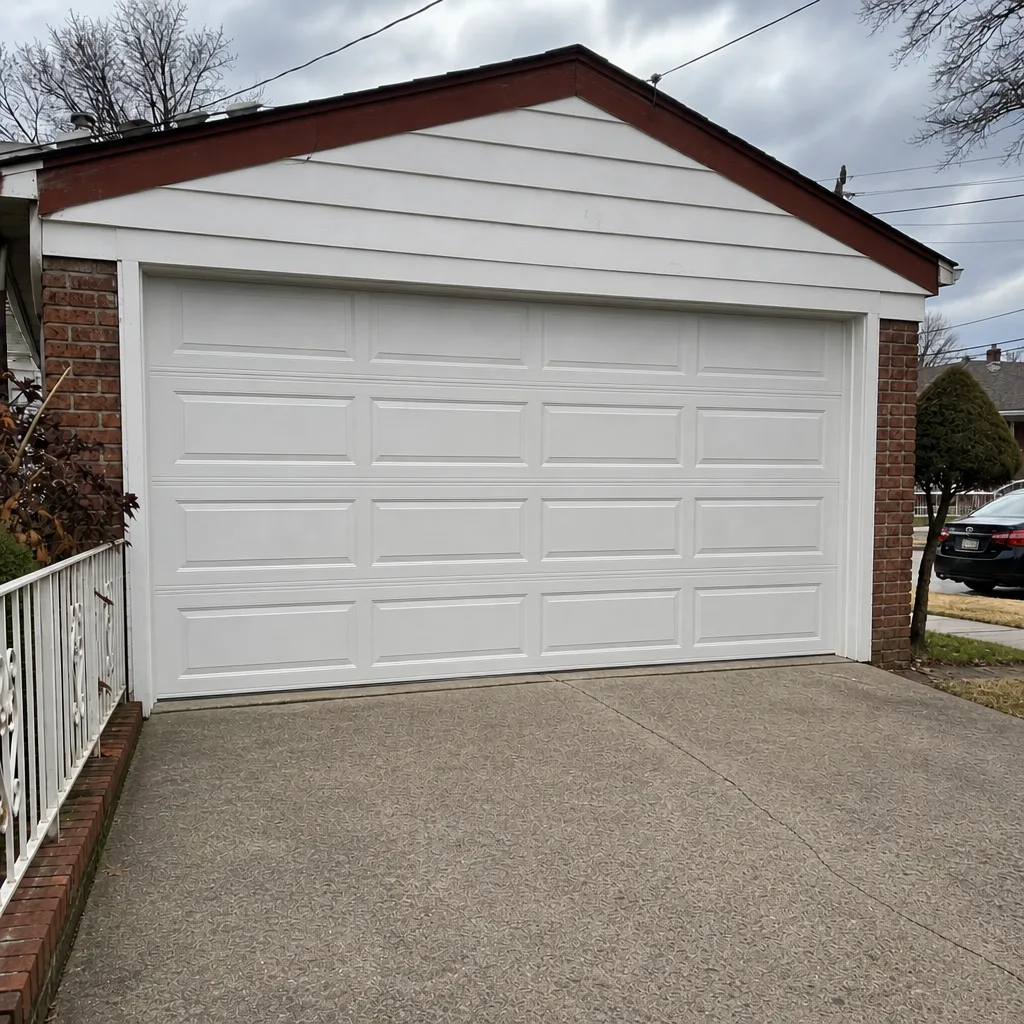
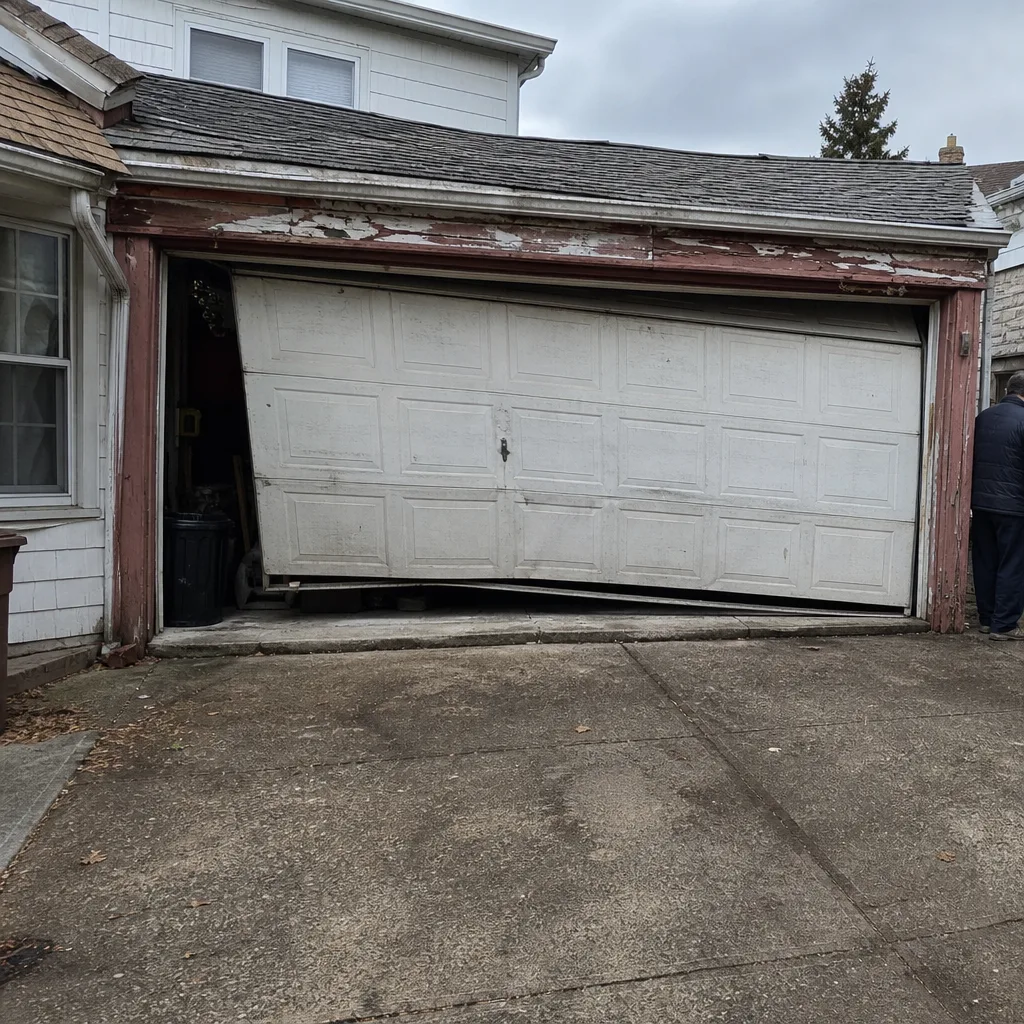
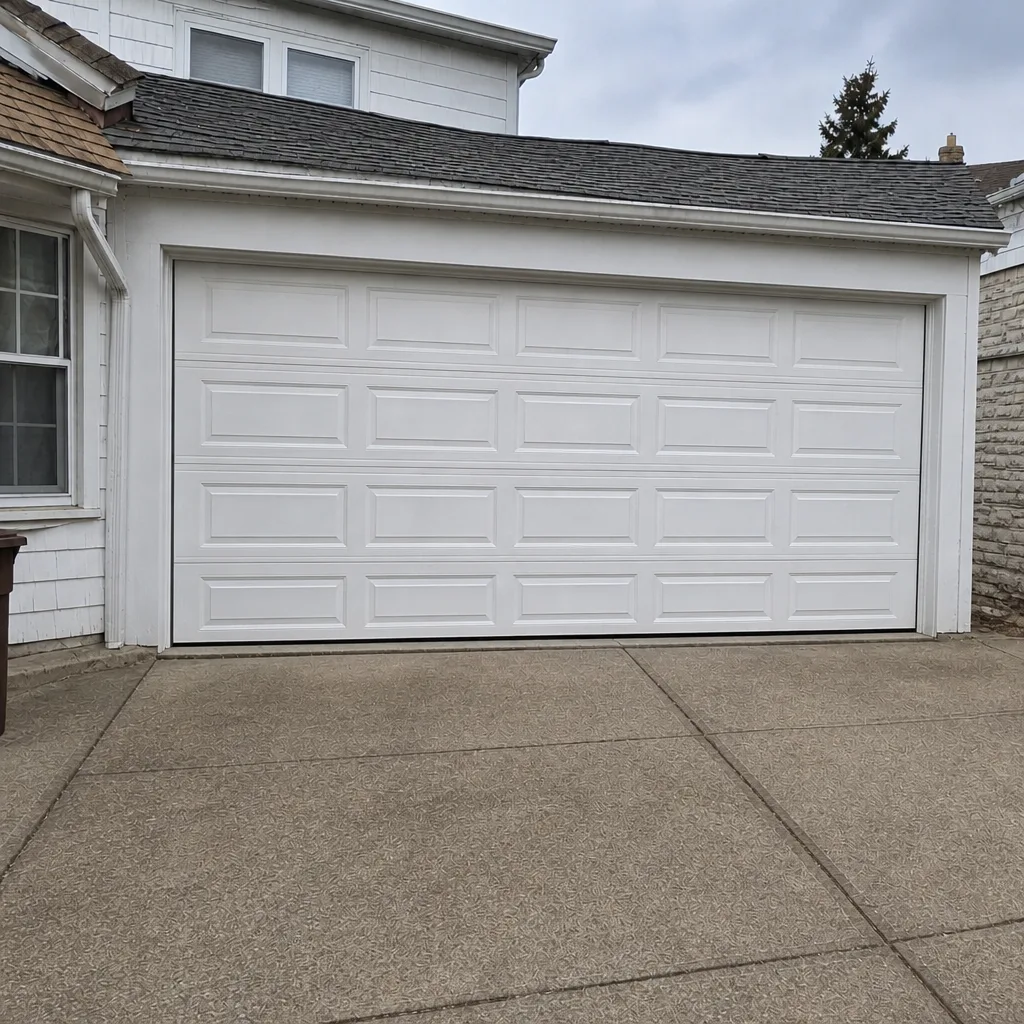
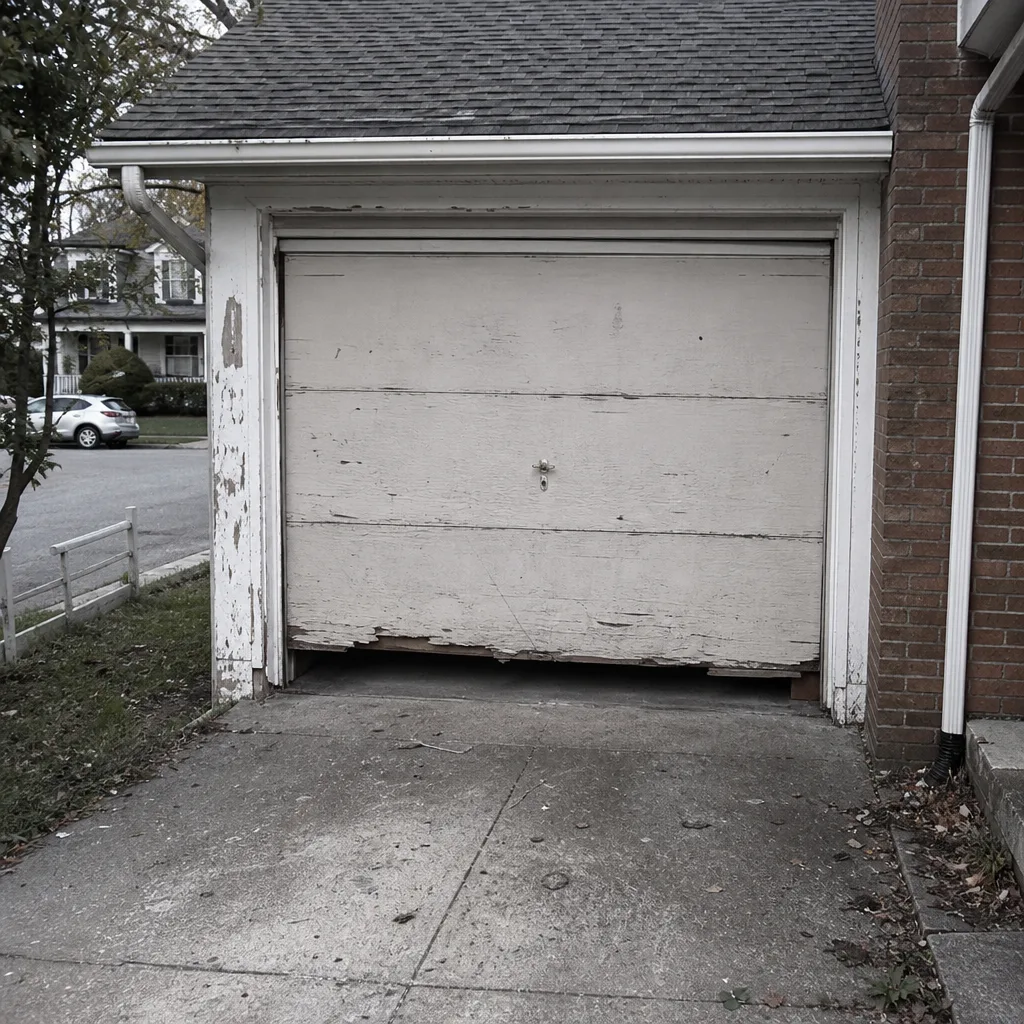
See the difference
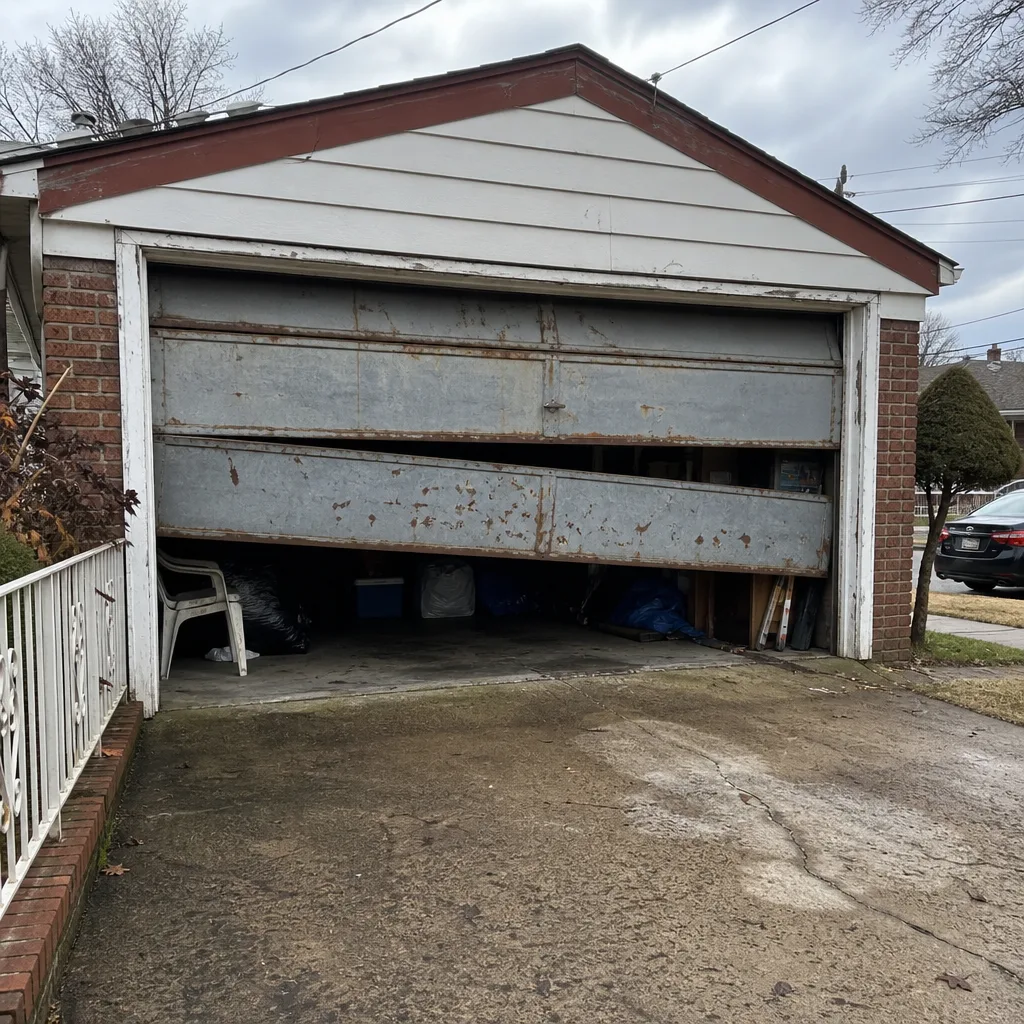 Before
 After
 Before
 After
 Before
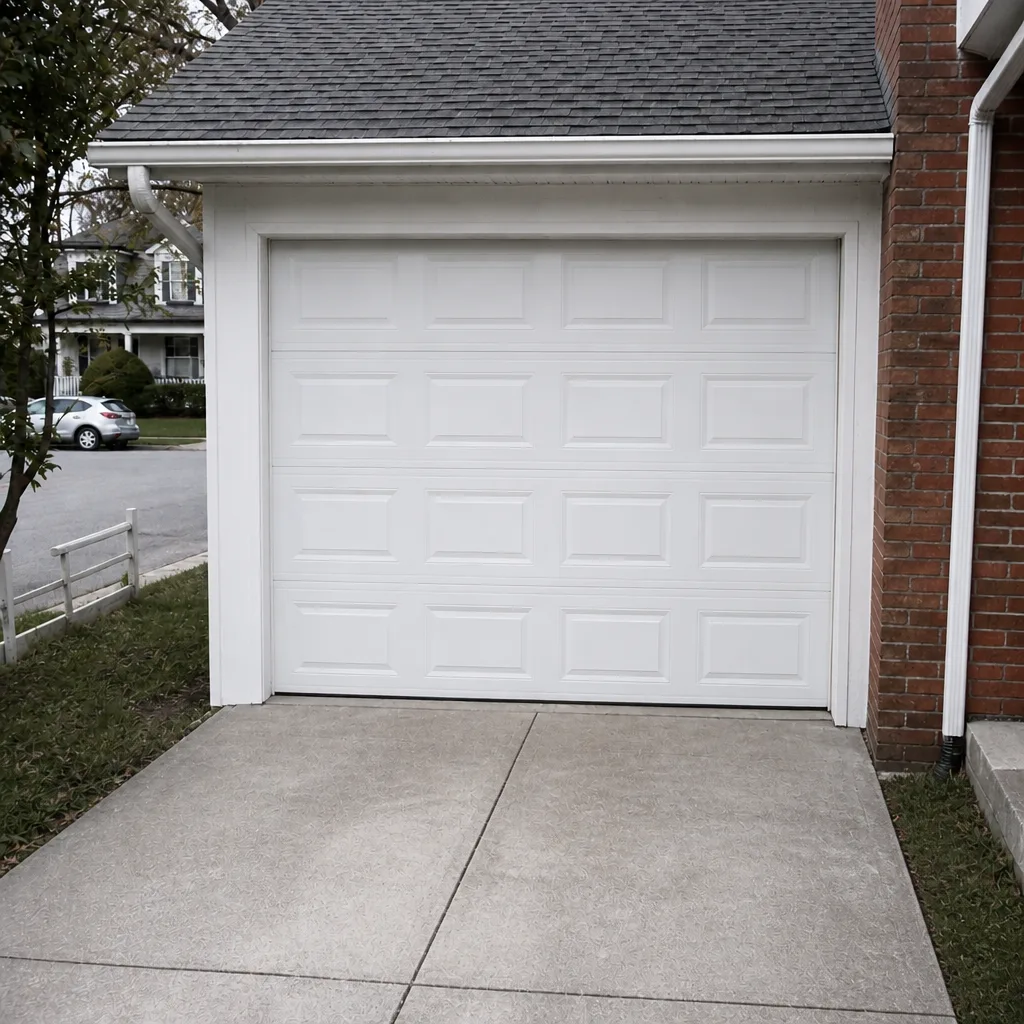 After
Frequently Asked Questions
Grinding almost always means dry or worn moving parts, most often rollers running on a dry track or hinges that need lubrication. It’s usually the least urgent sound on the door, but it speeds up wear, so schedule a look before it turns into a seized roller. Call (844) 443-3810 for an exact quote; estimates are free.
Look for a visible gap in the coil of the torsion spring above the door, or a door that suddenly won’t lift or drops the last few inches on its own. If you see a gap, don’t run the door. A broken spring is a same-day call, and spring work is strictly a trained-professional job. Call (844) 443-3810.
Slow, uneven lift is usually a watch-and-schedule sign, not a same-day emergency, but it’s worth getting looked at. It typically means the door is out of balance, binding in the track, or working against a worn spring, and an opener straining against that will fail faster. Call (844) 443-3810 for an exact quote; estimates are free.
Once a month is the right rhythm, and any time the door behaves differently. It confirms the safety sensors and force limit are working, which is the one check that directly protects people and pets. If the door ignores the sensor beam or pushes down before reversing, stop using it and call (844) 443-3810.
Yes, same-day opener repair is available for LiftMaster and Chamberlain units, along with Genie and Craftsman systems. A slow response is often a door balance issue rather than the motor, so we check the door first. Call (844) 443-3810 for an exact quote; estimates are free.
No. The price is quoted and agreed before any work starts, and the written estimate sets the final price. A spring price is for one spring, and a matched pair is usually replaced together at about twice that, which we’ll explain before you approve anything. Call (844) 443-3810.
The Bottom Line
Garage doors rarely fail without warning. They grind, squeal, pop, rattle, hang crooked, and finally fail the safety reversal test, and each of those signs points at a specific part. The splitting rule is simple: noise and minor vibration are watch-and-schedule, while springs, cables, balance and reversal-test failures are same-day. If you’re not sure which you’re hearing, describe it. Williamsbridge winters put real stress on your door, so a small check now beats a breakdown in January. Our technicians have up to 10 years of experience, and we work on the brand already on your home. Our Garage Door Repair Williamsbridge team is one call away.
Call (844) 443-3810 for a free estimate. We answer 24/7. Fast dispatch from 7am to 7pm, Sunday through Friday, and we’re closed Saturday.
Written by the team at Garage Door Repair Williamsbridge.