
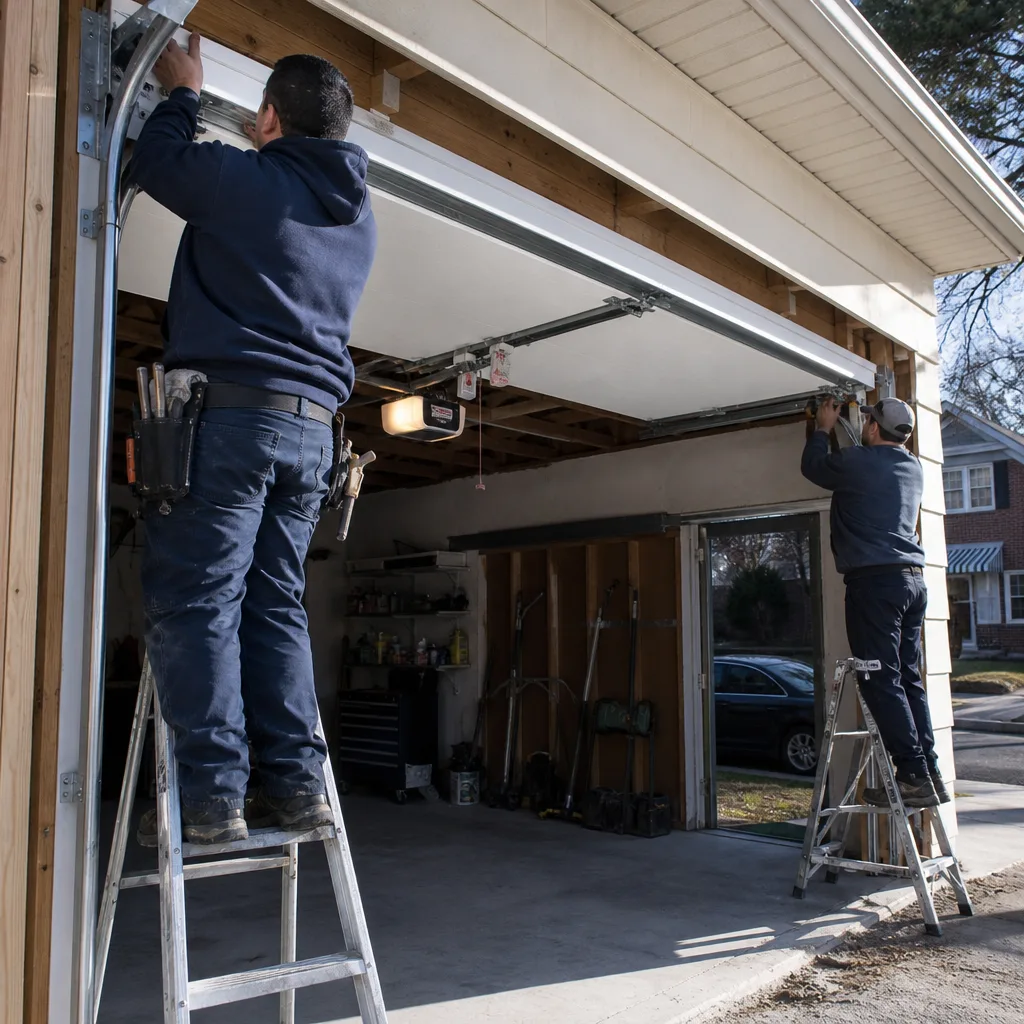
Last updated November 21, 2026
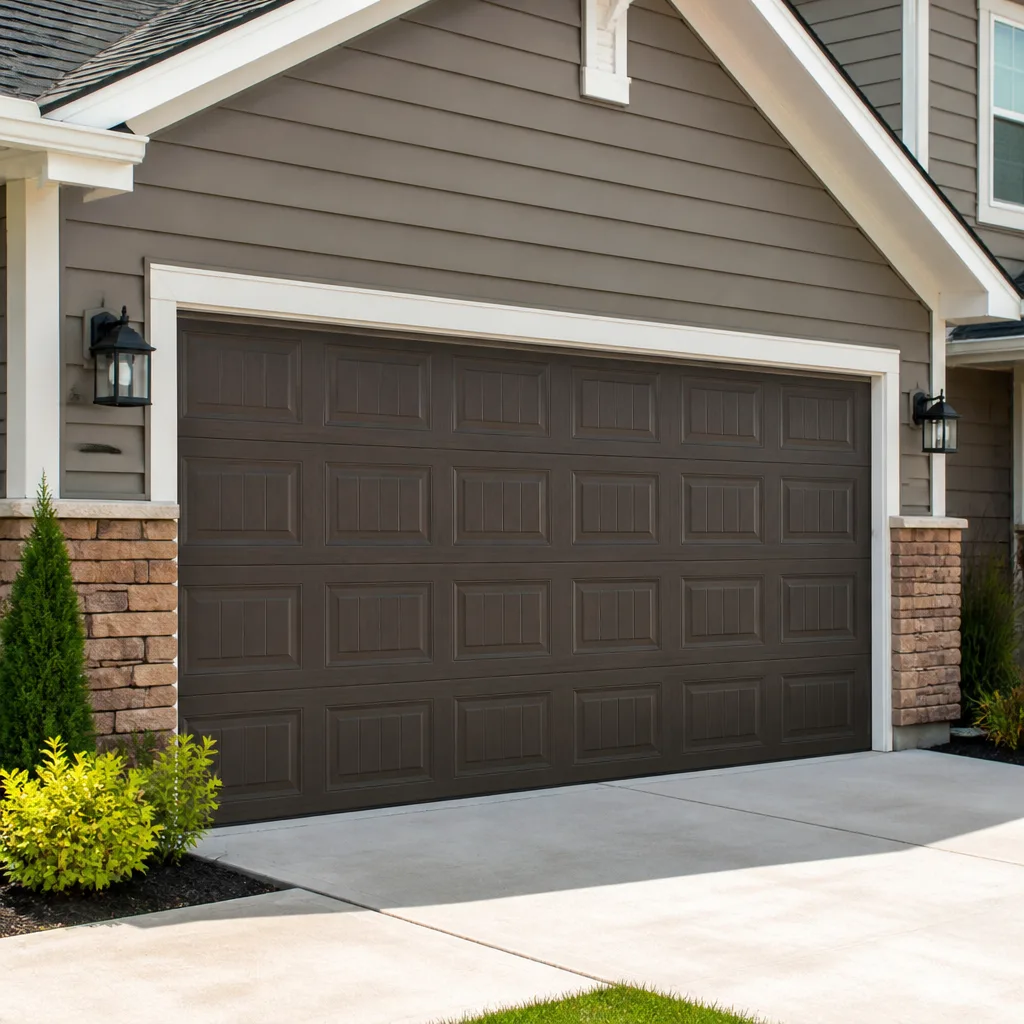 Raised-panel steel
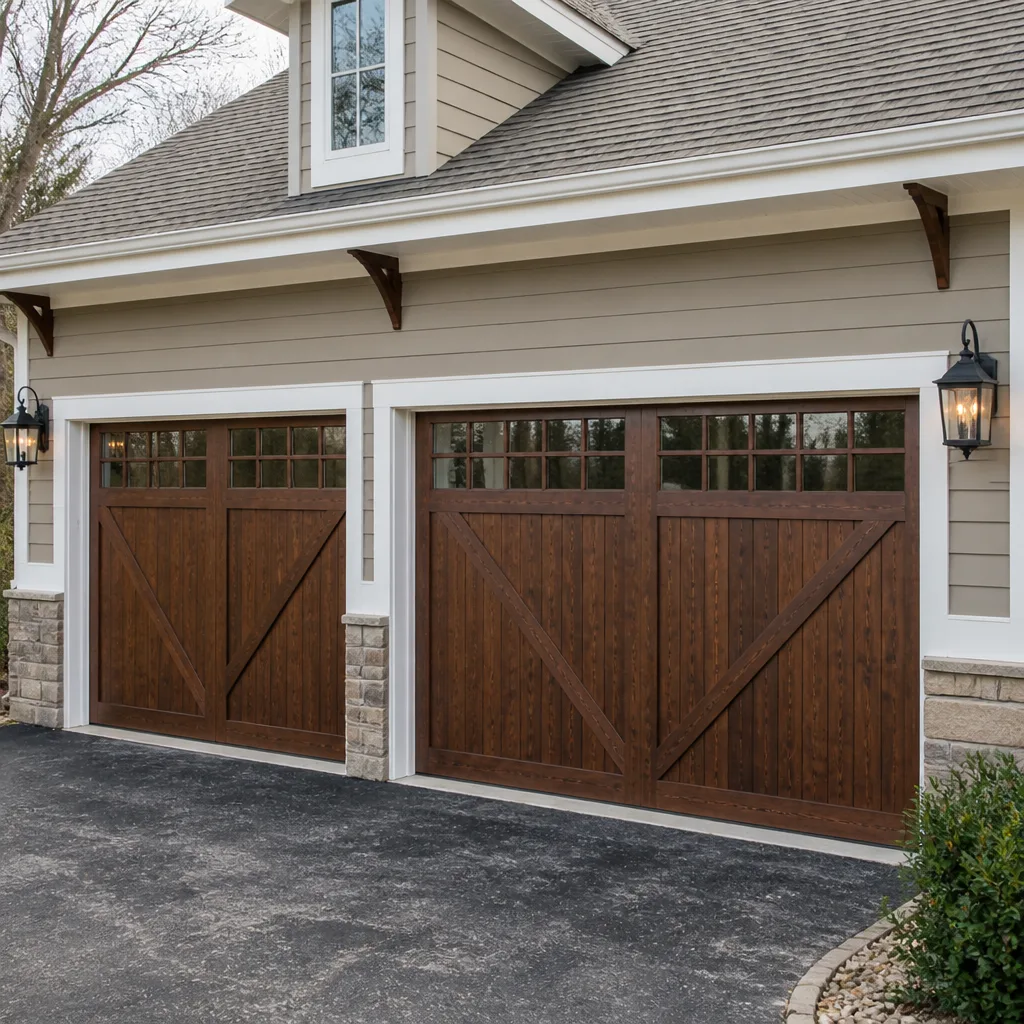 Carriage house
 Modern flush
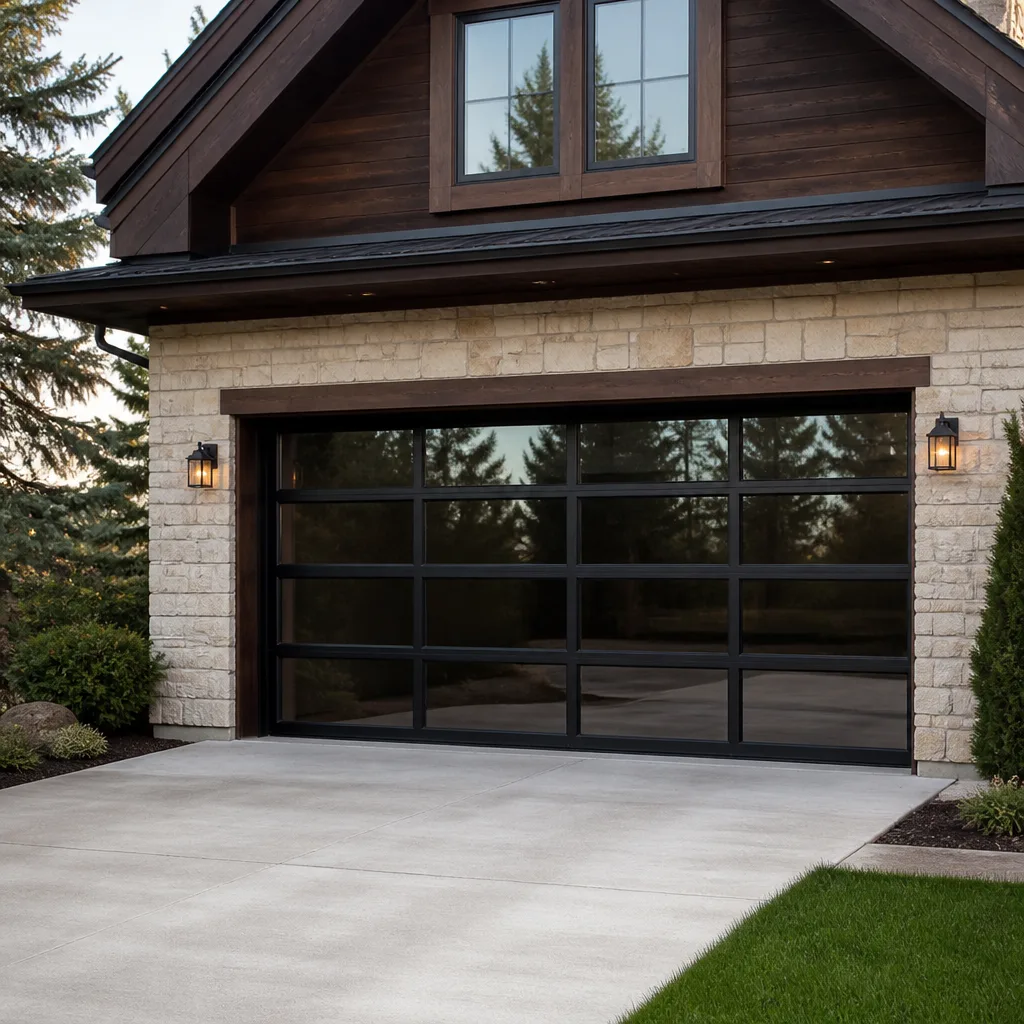 Full-view glass
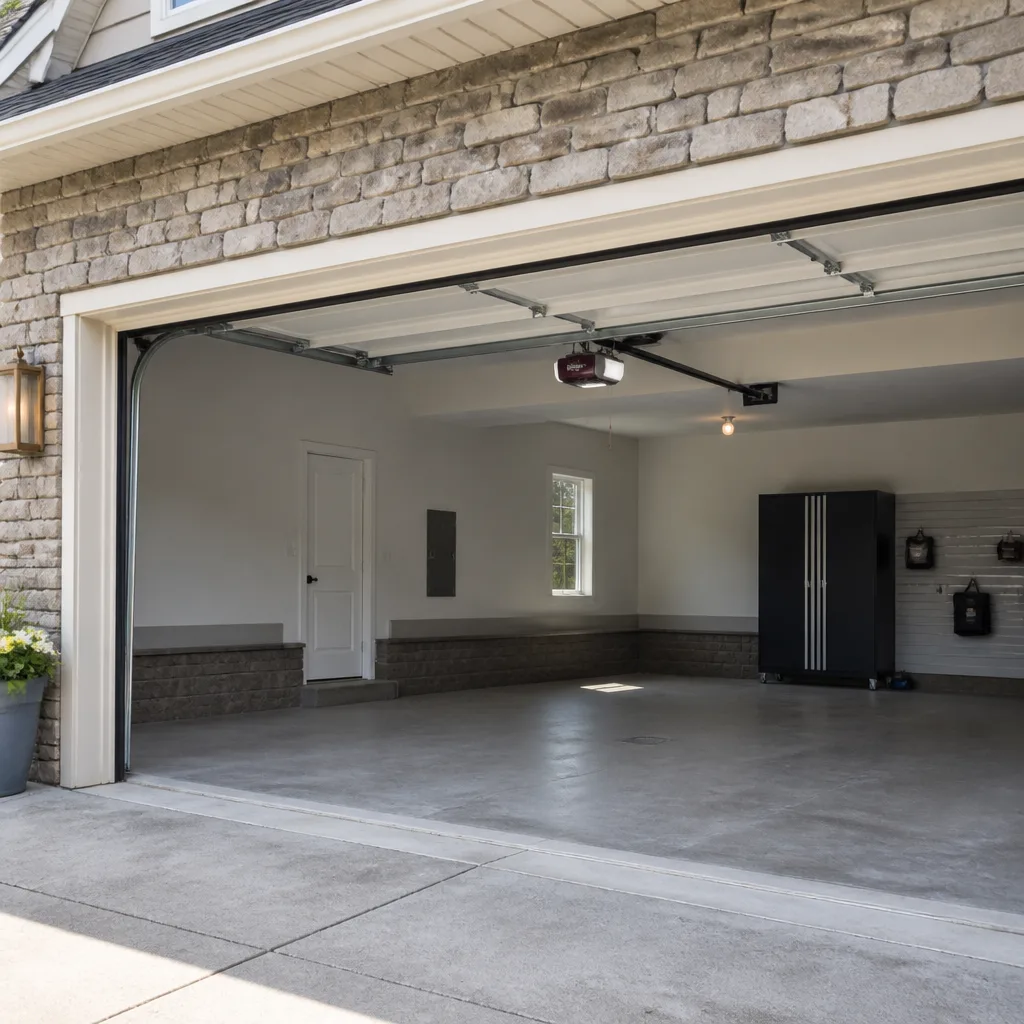 LiftMaster openers
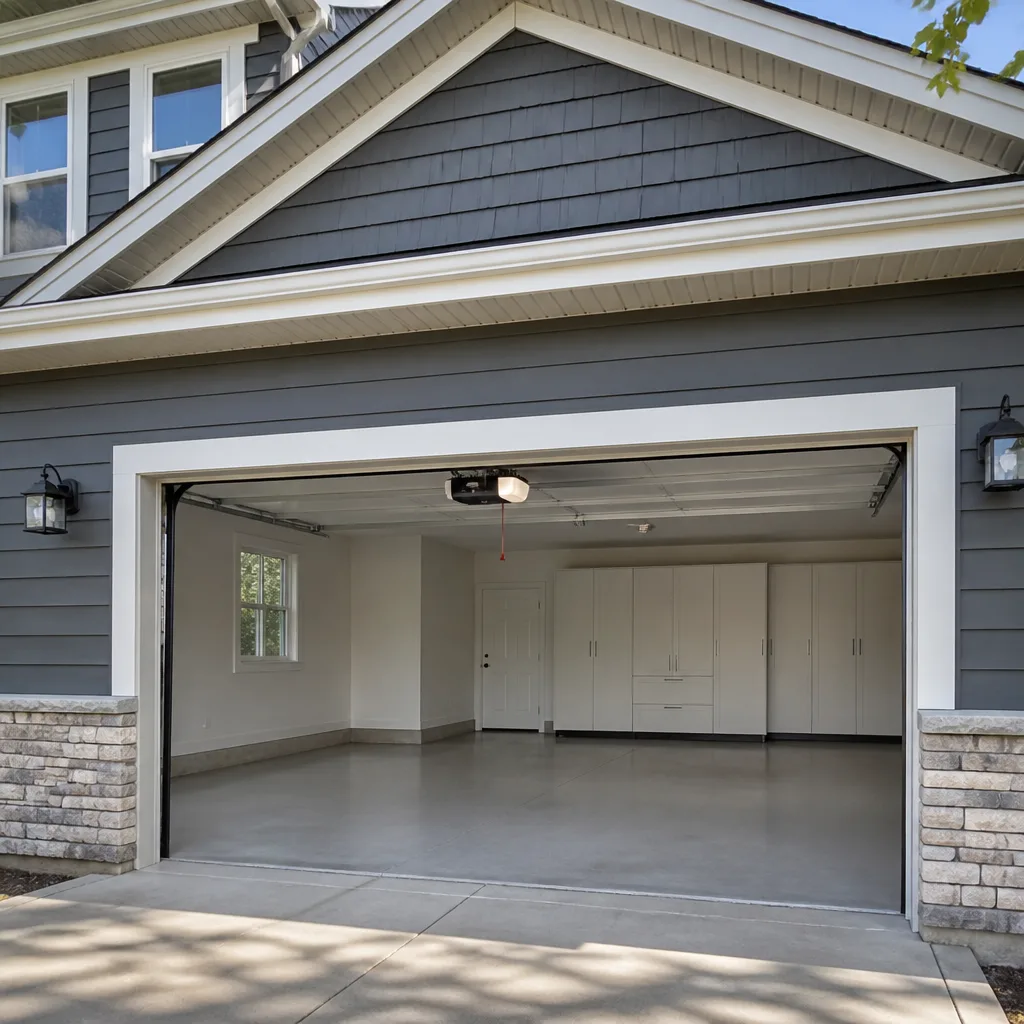 Chamberlain openers
Full 25-point door and opener safety check with every visit - springs, cables, rollers, tracks, and your LiftMaster or Chamberlain opener included
You get a price before we start. It does not change when the pro arrives.
Get your free estimateHow to Hire a Garage Door Contractor in Williamsbridge: A Step-by-Step Guide
The most expensive garage door mistake Williamsbridge homeowners make isn’t buying the wrong door. It’s hiring someone who quotes fast and diagnoses slow, then charges you for the diagnosis they should have done before quoting. A spring that gets swapped without checking the balance of the door will fail again. An opener that gets replaced when the real problem was a misaligned track wastes a working unit. This guide is built around the filter questions that separate a garage door specialist from a general handyman taking on garage work as a side job. By the end, you’ll know what to ask, what a real estimate looks like line by line, and how to check a contractor’s credentials without calling the city.
Quick Answer
To hire a garage door contractor in Williamsbridge, ask three things before you agree to anything: which brands they work on, whether they can describe the safety reversal test they’ll run after the repair, and whether their estimate lists parts and labor separately. Then verify their NYC Home Improvement Contractor license through the city’s online license lookup. A contractor who can answer all three clearly and give you a written, itemized estimate is worth the call. One who quotes a price before seeing the door and won’t put the breakdown in writing is not.
Styles & brands we work with
- Raised-panel steel
- Carriage house
- Modern flush
- Full-view glass
- LiftMaster openers
- Chamberlain openers
Table of Contents
- Three brand-specific questions to ask before you book a service call
- What a legitimate estimate should include, line by line
- How to verify NYC HIC licensing without calling the city
- Red flags on door-and-opener combo jobs
- How to compare quotes when the bundles are different
- What’s different about garage doors in Williamsbridge
- Spring work: why technique matters more than price
- Common mistakes to avoid
- When to call a professional
Three brand-specific questions to ask before you book a service call
Brand familiarity is the fastest test of whether you’re talking to a garage door specialist or someone who mostly does gutters and took this job because it came in. A door and opener are a system, and the parts don’t swap cleanly across manufacturers. Someone who works on LiftMaster and Chamberlain units every week knows their travel-limit programming and their safety sensor wiring by heart. Someone who doesn’t will guess, and guessing means a second visit.
Ask these before you book:
- “Which opener brands do you work on regularly?” A real answer names specific manufacturers and explains why. If they say “all of them” without qualification, press: “What’s different about programming a Genie versus a LiftMaster?” A technician who genuinely works both will tell you something concrete about the remotes, the travel limits, or the force settings. A generalist will get vague.
- “If my door is a Clopay, can you match the panel profile?” Panel replacement depends on matching profiles and color codes, not just dimensions. If they can tell you how they’d find the right profile for your door, they’ve done it before. If they say they’ll “make it fit,” they haven’t.
- “What’s your process for a spring replacement, start to finish?” A specialist will mention winding bars, counting turns, and checking the door’s balance afterward. A generalist will describe the spring as if it’s a part swap. It isn’t. Springs are under enough tension to cause serious injury, and technicians who handle them routinely treat that as the operative fact of the job.
You can also ask what Brands they keep on hand versus order. A contractor who services eight of the most widely installed door and opener brands by name (LiftMaster, Chamberlain, Genie, Clopay, Amarr, Wayne Dalton, Craftsman, and Raynor, in our case) will know the common failure points of each, and diagnosis goes faster when the technician already knows the system on your home. If your door has a LiftMaster opener and a Clopay door, you want the person who’s diagnosed that pairing dozens of times, not someone reading the manual for the first time on your driveway.
One more question worth asking: “Will you test the balance of the door before and after?” A door that’s out of balance will wear out a new spring faster. A contractor who skips the balance check is skipping the diagnostic step that prevents repeat visits. If the fix doesn’t hold, you pay twice.
What a legitimate estimate should include, line by line
A real estimate separates what you’re paying for into parts, labor, and warranty. A vague estimate bundles everything into one number and calls it a day. The bundled number isn’t automatically bad, but it hides the one thing you need to know: whether the price is being inflated on parts to make the labor look cheap, or the other way around. You can’t compare two bundled quotes. You can compare two itemized ones.
Here’s what a legitimate garage door estimate should contain:
- Parts, described specifically. Not “spring” but “torsion spring, matched pair, rated for the door weight.” Not “opener” but the model name and whether it includes a rail and remotes. If the part is generic, ask for the specification.
- Labor, stated as a separate line. Labor should be quoted for the job, not as an open-ended hourly rate. A per-job labor line lets you see what the work actually costs.
- Disposal and haul-away. Old springs, panels, and openers don’t disappear on their own. If haul-away isn’t listed, ask whether it’s included.
- Warranty terms, in writing. How long the part is covered, how long the labor is covered, and what voids it. A verbal “we stand behind it” isn’t a warranty term.
- The total, with a note on what could change it. If the door turns out to need a cable or a drum that wasn’t visible on the walk-through, the estimate should say how that’s handled. A good estimate leaves room for the unknown without leaving room for a surprise.
What vague line items signal: a single line that says “garage door repair – $X” without a breakdown is a sign the contractor either doesn’t know what’s wrong yet or doesn’t want you to see the margin. Either way, ask for the itemized version before you say yes. And ask directly: “Is this the price, or an estimate that can move?” The answer should be that the written estimate is the price, and any change gets your approval before work starts. If that’s not the answer, keep looking.
For a fuller picture of what jobs run in this market, our Garage Door Repair Williamsbridge page breaks down typical ranges by job type. The written estimate you receive is what sets your final price, not the range.
How to verify NYC HIC licensing without calling the city
New York City requires home improvement contractors to hold a Home Improvement Contractor (HIC) license, and the city maintains a public license lookup you can use from your phone. You don’t need to call anyone. You search the contractor’s business name or license number on the city’s website and see whether the license is active. This takes about two minutes and it’s the single most useful check you can do before letting anyone work on your home.
Here’s how to run it:
- Ask the contractor for their HIC license number before the visit. A licensed contractor gives it without hesitation.
- Go to the NYC Department of Consumer and Worker Protection license lookup online.
- Search by license number or business name.
- Confirm the status is active and the business name matches what’s on the estimate.
- Ask for a certificate of insurance and check that it’s current. A licensed contractor carries general liability and workers’ compensation coverage as the state requires.
Why this matters in Williamsbridge specifically: this is a neighborhood of mostly owner-occupied houses with driveways and attached garages, and plenty of the work gets arranged through word of mouth or a sign on a van. Word of mouth is a fine way to find a contractor, but it’s not a substitute for checking the license. A contractor who’s licensed and insured is accountable to the city. One who isn’t is accountable to nobody, and if something goes wrong on your property, that difference is the whole ballgame.
Ask for the license number in writing, on the estimate or the business card. If a contractor can’t produce a number, that’s your answer. Move on. The vetted local professionals who perform the work are licensed and insured as their state requires, and any legitimate contractor should expect you to check.
Red flags on door-and-opener combo jobs
A door-and-opener job is where corners get cut most often, because there are two systems to finish and only one of them is visible when the technician drives away. The door going up and down looks like success. The safety reversal test is what proves it. If a contractor replaces your opener and never runs the reversal test, the door may close on a person or a pet and not reverse, and that’s the failure mode the test exists to catch.
Specifically, after any opener install or repair, the technician should:
- Test the safety reversal by placing an object in the door’s path and confirming the door reverses on contact.
- Test the photo-eye sensors by blocking the beam and confirming the door won’t close.
- Check the force settings so the door reverses on reasonable resistance, not just on a hard obstruction.
- Balance the door with the opener disconnected, so the springs, not the motor, are doing the lifting.
- Confirm the manual release works and show you how to use it.
Red flags on a combo job: the technician programs the opener and leaves without running the reversal test. The opener is mounted but the sensors are left loose or aimed by eye. The force settings are left at factory defaults. Or the technician replaces the opener to fix a problem that was actually a track or spring issue, which means you paid for a part you didn’t need.
Ask before the work starts: “Will you run the safety reversal and sensor tests before you leave, and will you show me the results?” A specialist will say yes without hesitation because it’s part of the job. A contractor who treats the test as optional is telling you what their work is worth after they’re gone. This is also why brand familiarity matters on combo jobs: someone who knows the LiftMaster and Chamberlain programming cold spends their time on the safety checks instead of the manual.
How to compare quotes when the bundles are different
Two quotes for the same job can look $150 apart and actually differ by hundreds once you line up what’s included. One bid bundles labor into the parts price and offers a one-year warranty on the part only. Another lists labor separately, includes haul-away, and covers labor for the same period. The second reads higher and can cost less.
Normalize before you compare. Put every quote into the same four columns:
- Parts, itemized: Is the part named by model or specification, or is it generic?
- Labor: Is it a per-job line, or folded into the parts price? Is it the same scope (one spring versus a matched pair)?
- Included extras: Haul-away, balance check, safety reversal test, sensor adjustment. These are real labor, and a quote that includes them isn’t overpriced just because it’s higher.
- Warranty: Part only, or part and labor? How long, and what voids it?
One detail that trips people up on spring jobs: a spring price is for one spring, and a matched pair is usually replaced together, so a pair costs about twice a single spring. If one quote is for a single spring and the other is for a pair, you’re not comparing the same job. Ask each contractor to confirm whether they’re quoting one spring or a pair, and why. A specialist will explain that springs wear together and that replacing one of a matched pair usually means the second fails soon after. That’s the kind of answer that tells you they’ve done the job before.
When you’re ready for an exact number on your door, our garage door repair team can give you a free written estimate. The price is quoted and agreed before any work starts, so the number on the estimate is the number on the invoice.
What’s different about garage doors in Williamsbridge
Williamsbridge is a Bronx neighborhood of detached and semi-detached houses with driveways and attached garages, and that shapes what fails and when. The housing stock is older, which means a lot of the garage doors here are original or near-original units, and older doors put more strain on springs and openers than newer, lighter doors do. A heavy wood or older steel door on a torsion system that’s been cycled thousands of times is a spring waiting to go. When homeowners in Williamsbridge call about a door that won’t open, the most common cause is a broken spring, not a dead opener.
The local climate matters too. Bronx winters bring freezing temperatures and freeze-thaw cycles that work on metal and on the lubricant in tracks and hinges. Cold makes springs more brittle and makes a marginal one fail. Summer heat and humidity swell wood doors and can throw them out of balance. Doors that ran fine in October often start binding in January, and a door that was balanced in July may drag by August. If your door has started to sound different with the seasons, that’s the door telling you something.
What this means for hiring: ask whether the contractor checks the door’s balance and lubricates the moving parts as part of the service call, or charges extra for it. In a neighborhood where doors are older and heavier, the balance check isn’t a nicety, it’s the diagnostic step that tells you whether a spring replacement will actually hold. A contractor who skips it in Williamsbridge is skipping it where it matters most. If you’re weighing a new door against a repair, our garage door installation page covers what a replacement involves and how the job is scheduled.
Spring work: why technique matters more than price
Garage door springs are the most dangerous part of any garage door system, and they’re the part most often mishandled by people who shouldn’t be touching them. A torsion spring is under enough stored energy to cause serious injury if it’s released wrong, and the tools and technique for winding and unwinding one are not things you pick up from a video. This is the part of the job where price should be your last filter, not your first.
What a competent spring job involves, in general terms: the technician identifies the spring’s wire gauge, inside diameter, and length so the replacement matches the door’s weight. The door gets balanced with the springs disconnected. The new spring gets wound to the correct number of turns for the door height. The door is tested through a full cycle, and the balance and safety reversal are checked before the technician leaves. None of that is optional, and none of it shows up on a quote that says “spring replacement, $X.”
Ask any contractor you’re considering: “How do you size the replacement spring, and do you check the door balance after?” If the answer is vague, that’s the filter working. The technique, not the part, is what you’re paying for. We handle springs so you don’t have to, and we treat the balance check as part of the job rather than an add-on. If you’re hearing a loud bang from the garage or the door feels unusually heavy, stop using the opener and call a professional. Don’t try to lift or wind anything yourself. Technicians who work on springs have up to 10 years of experience with them, and that experience is the safety margin.
For an urgent spring failure, our garage door opener repair team can diagnose whether the problem is the spring or the opener, because the two look alike from the driveway and the difference changes the job entirely.
Common Mistakes to Avoid
- Accepting a phone quote as final. A price given before anyone has seen the door is a guess. Ask for a written estimate after a walk-through, and treat that as the number. A contractor who won’t come look before quoting is quoting blind.
- Skipping the license check. It takes two minutes on the city’s website and it’s the difference between a contractor who’s accountable to the city and one who isn’t. Do it before the visit, not after.
- Comparing a bundled quote to an itemized one. You can’t tell what’s included in a single number. Ask every contractor for the same four columns and compare like for like.
- Letting a technician leave without the safety reversal test. On any opener job, the reversal and sensor tests are the proof the job is done. Ask to see them run before the technician packs up.
- Replacing an opener when the spring is broken. A door that won’t lift is usually a spring problem, not an opener problem. Ask the technician to diagnose before replacing parts, and get their reasoning in plain language.
- Replacing one spring of a matched pair. Springs wear together. If one is broken, ask whether the pair should be replaced, and understand that a pair costs about twice a single spring. It’s often the less expensive choice over time.
- Ignoring seasonal changes in how the door sounds. In Williamsbridge, a door that starts binding or sounding heavy in cold weather is telling you the balance or the spring is off. Get it checked before it fails.
When to Call a Professional
Call a professional when the door won’t open or close at all, when you hear a loud bang from the garage and the door goes heavy, when the opener runs but the door doesn’t move, or when the door reverses on its own partway down. Call when the door is off its track or a cable has come loose, and stop using the door in both cases. Call when the safety reversal test fails, meaning the door doesn’t reverse on contact. And call when you’re considering a new door or opener, because that job involves measuring, ordering, and scheduling, and the written estimate sets the price. Springs, cables, and anything under tension are not a homeowner job.
Garage Door Repair Williamsbridge offers free estimates in Williamsbridge. Call (844) 443-3810. We answer 24/7. Fast dispatch from 7am to 7pm, Sunday through Friday. One call covers repair, opener service, spring replacement, or a new installation, and if your door fails on a Saturday we’ll book you for Sunday.
See the difference
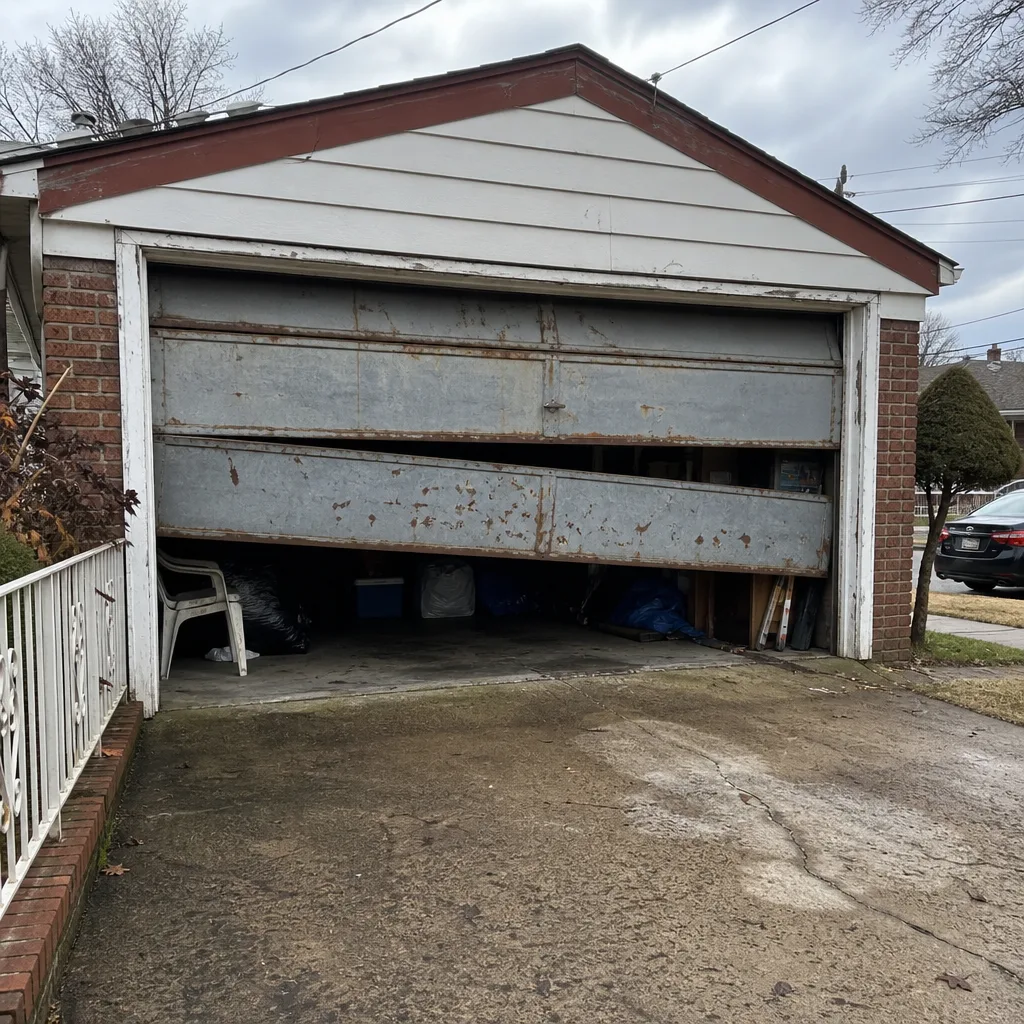 Before
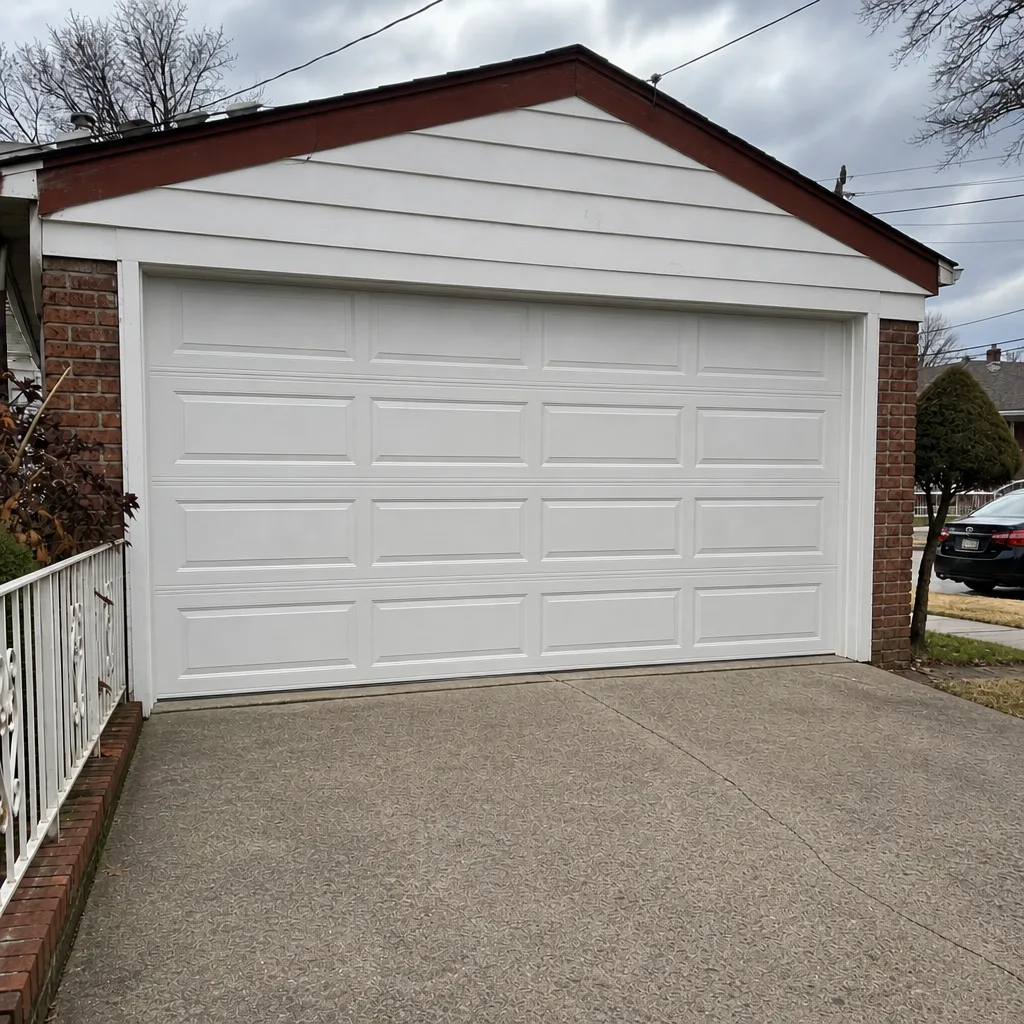 After
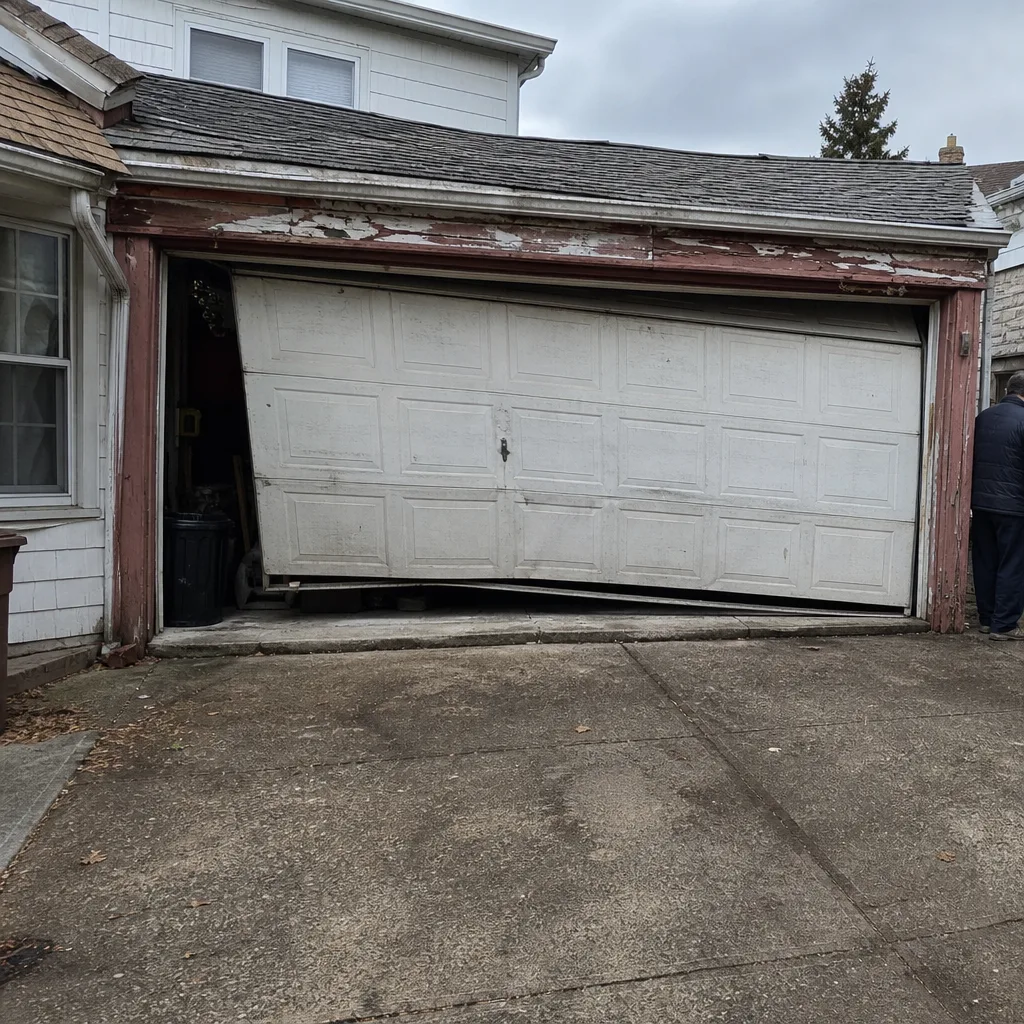 Before
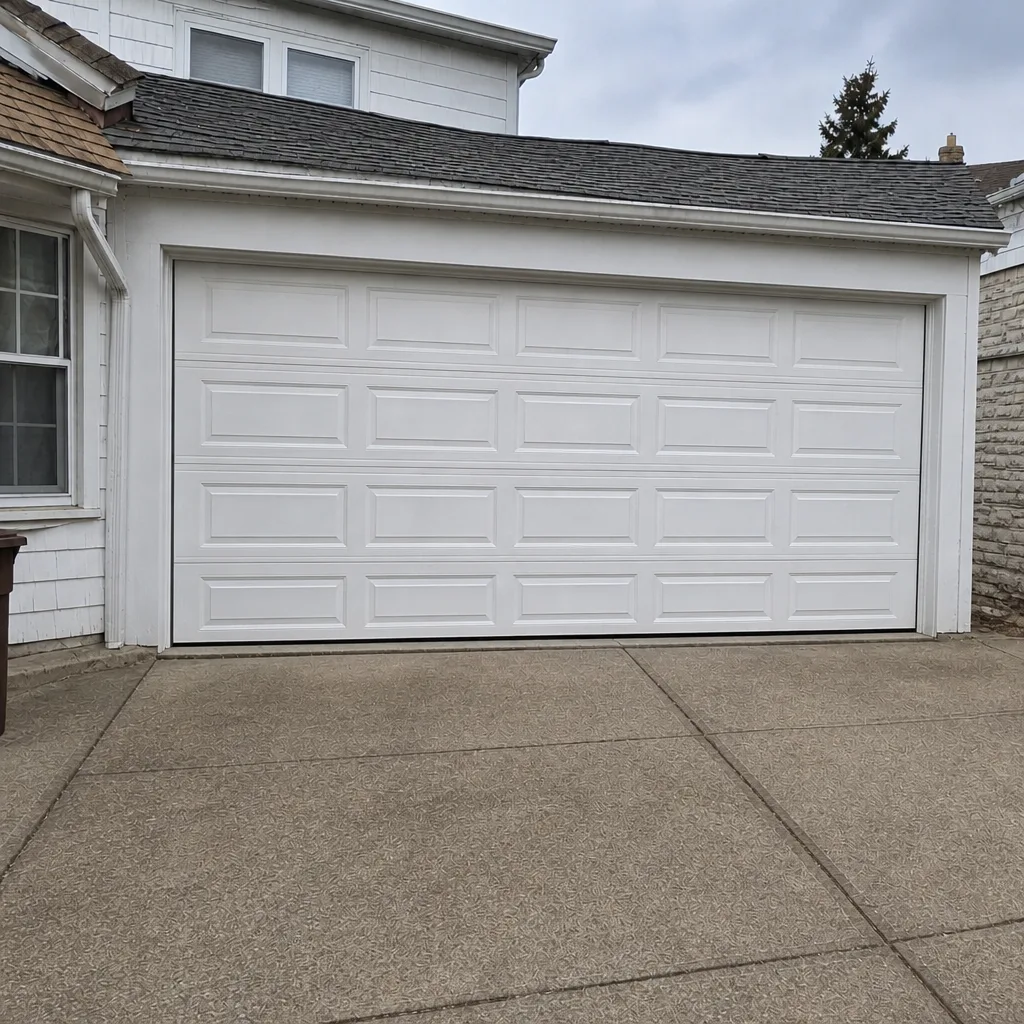 After
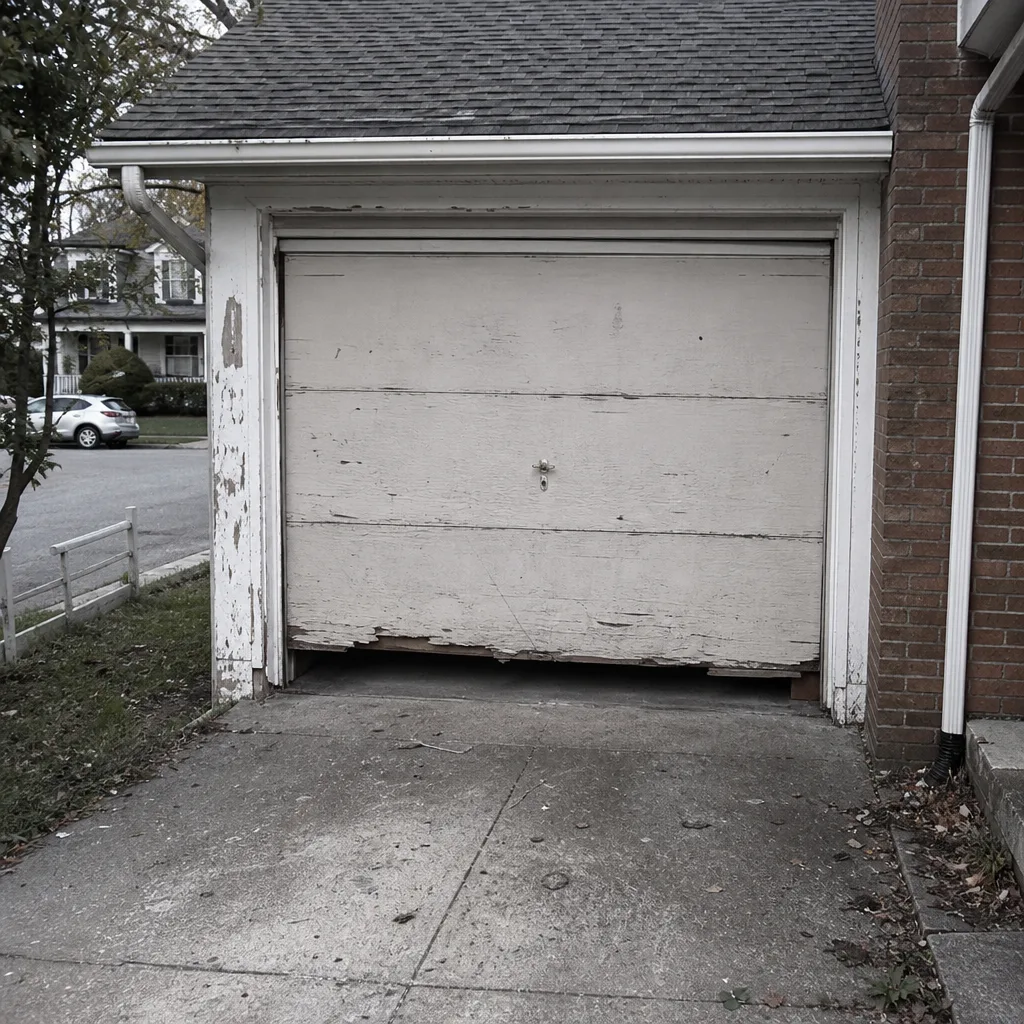 Before
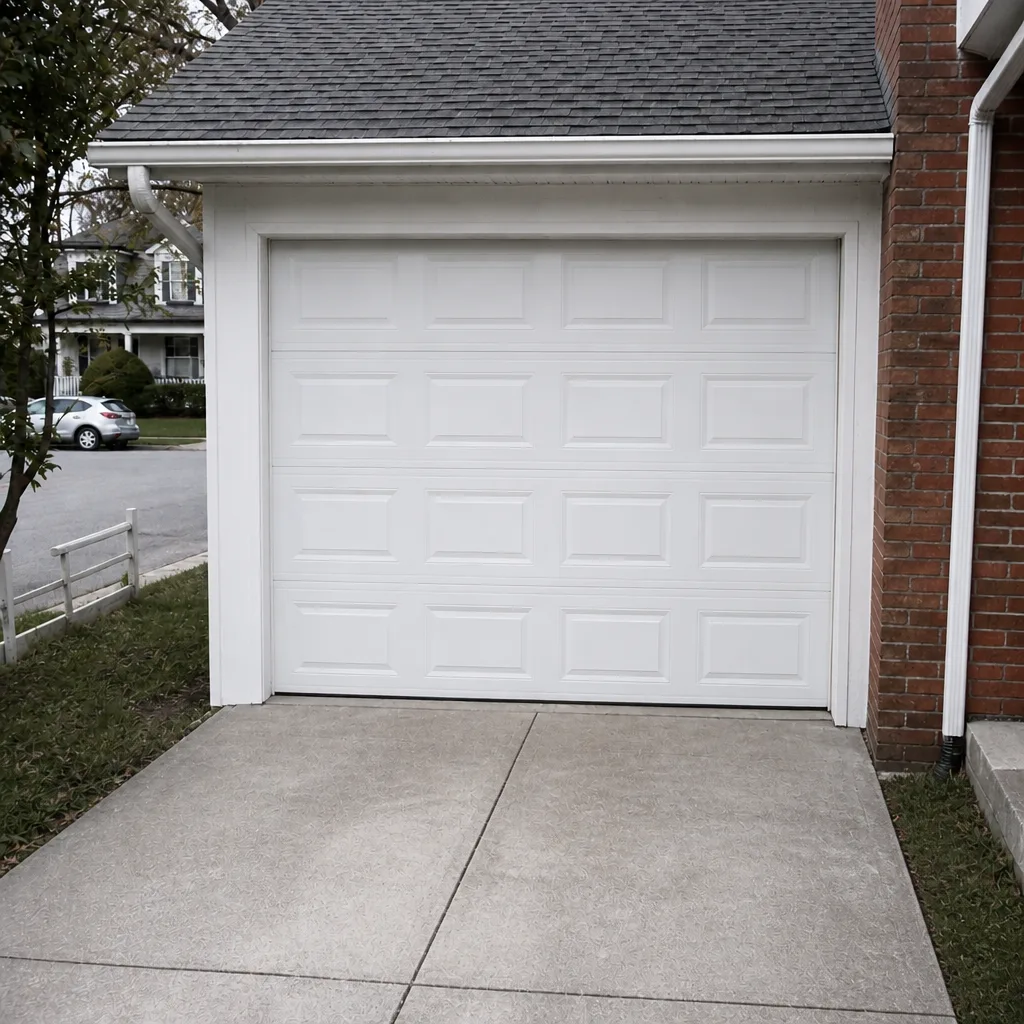 After
Frequently Asked Questions
Use the NYC Department of Consumer and Worker Protection online license lookup. Ask the contractor for their Home Improvement Contractor (HIC) license number, then search it on the city’s website to confirm it’s active. It takes about two minutes and you don’t need to call anyone. Ask for a current certificate of insurance at the same time. Call (844) 443-3810 for a free estimate from a vetted local professional. We answer 24/7.
A legitimate estimate lists parts with model or specification, labor as a separate per-job line, haul-away, warranty terms in writing, and a note on what could change the price. A single line that says “garage door repair” without a breakdown is too vague to compare. Ask for the itemized version before you agree to anything, and confirm the written estimate is the price. Call (844) 443-3810 for a free, itemized estimate. We answer 24/7.
Spring repair is priced per job by a written estimate, and a spring price is for one spring. A matched pair is usually replaced together, so a pair costs about twice a single spring. The written estimate you receive sets your final price, so ask for it before work starts. Call (844) 443-3810 for an exact quote. Estimates are free.
We answer 24/7 and dispatch from 7am to 7pm, Sunday through Friday, so a stuck door usually gets seen the same day. If you call outside dispatch hours, we book you into the next opening, Sunday through Friday, 7am to 7pm. Don’t force a stuck door or wind anything yourself. Call (844) 443-3810.
The written estimate you agree to is the price. If the walk-through reveals something that wasn’t visible, like a cable or a drum that needs attention, we tell you what it is and get your approval before any additional work starts. You won’t get an invoice larger than the quote without agreeing to it first. Call (844) 443-3810 for a free estimate.
Look for a contractor who names the brands they work on and can explain how they differ. The most widely installed door and opener brands include LiftMaster, Chamberlain, Genie, Clopay, Amarr, Wayne Dalton, Craftsman, and Raynor, and a specialist should recognize your system and know its common failure points. If they can’t describe programming a LiftMaster versus a Genie, they’re guessing. Call (844) 443-3810 to talk to someone who works on the brand already on your home.
The vetted local professionals who perform the work are licensed and insured as their state requires. Ask any contractor for their HIC license number and certificate of insurance before the visit, and verify the license through the city’s online lookup. Our technicians have up to 10 years of experience. Call (844) 443-3810 for a free estimate.
The Bottom Line
Hiring a garage door contractor in Williamsbridge comes down to three filters: brand familiarity, a written itemized estimate, and a verifiable HIC license. Ask the brand questions before you book. Compare quotes in the same four columns so you’re comparing the same job. Check the license on the city’s website. Insist on the safety reversal test after any opener work, and treat springs as a job for trained hands only. A contractor who answers all of that clearly is worth the call. One who doesn’t is telling you what the job will be worth.
Garage Door Repair Williamsbridge handles repair, opener service, spring replacement, and new installation, and we work on the brand already on your home. Call (844) 443-3810 for a free estimate. We answer 24/7. Fast dispatch from 7am to 7pm, Sunday through Friday. Closed Saturday. Prices are quoted and agreed before any work starts.
Written by the team at Garage Door Repair Williamsbridge.