
Last updated November 21, 2026
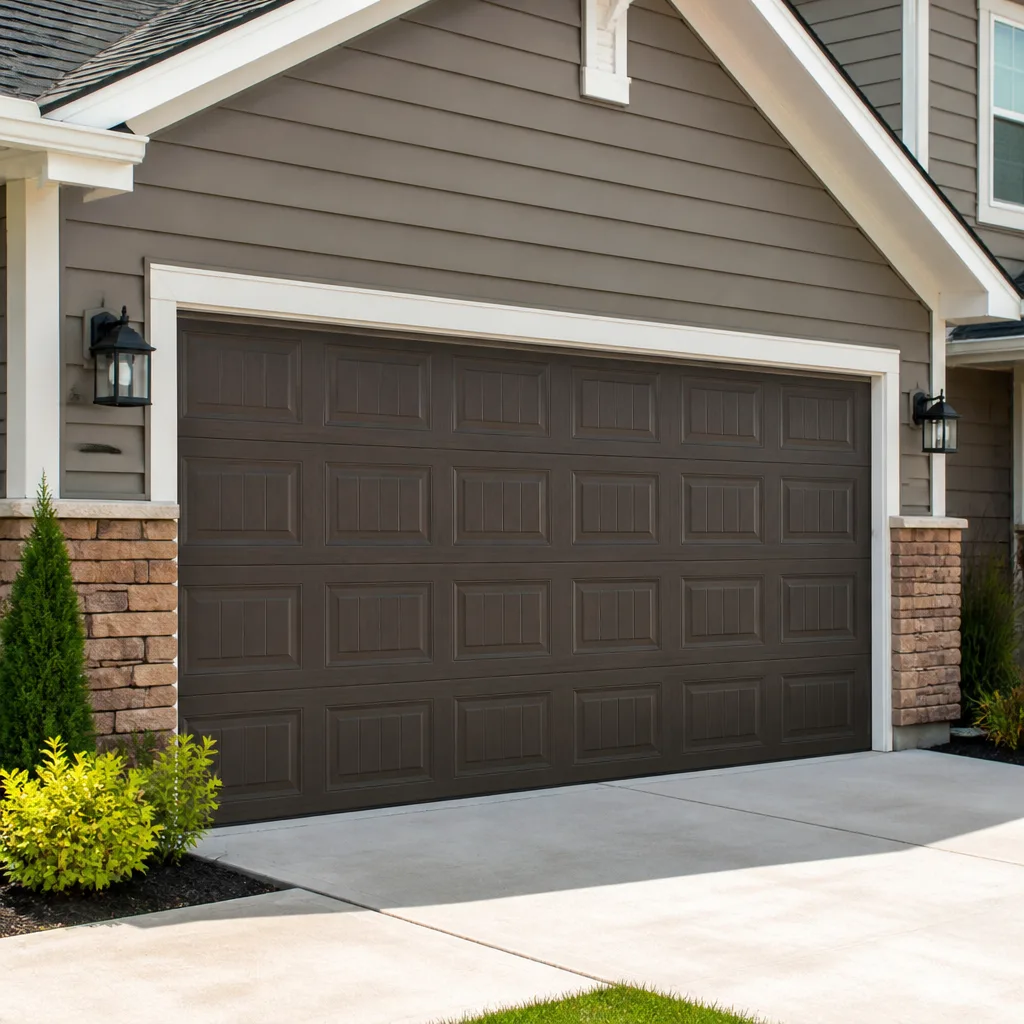 Raised-panel steel
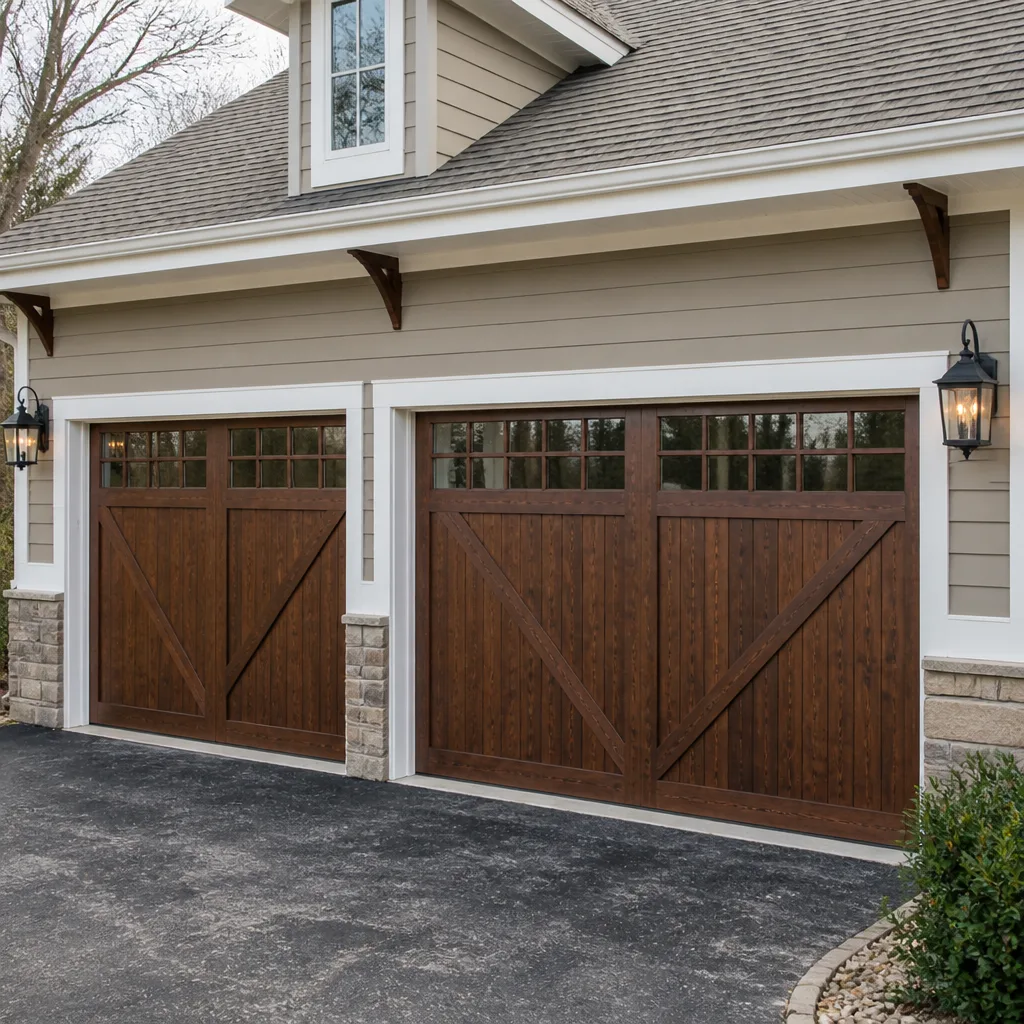 Carriage house
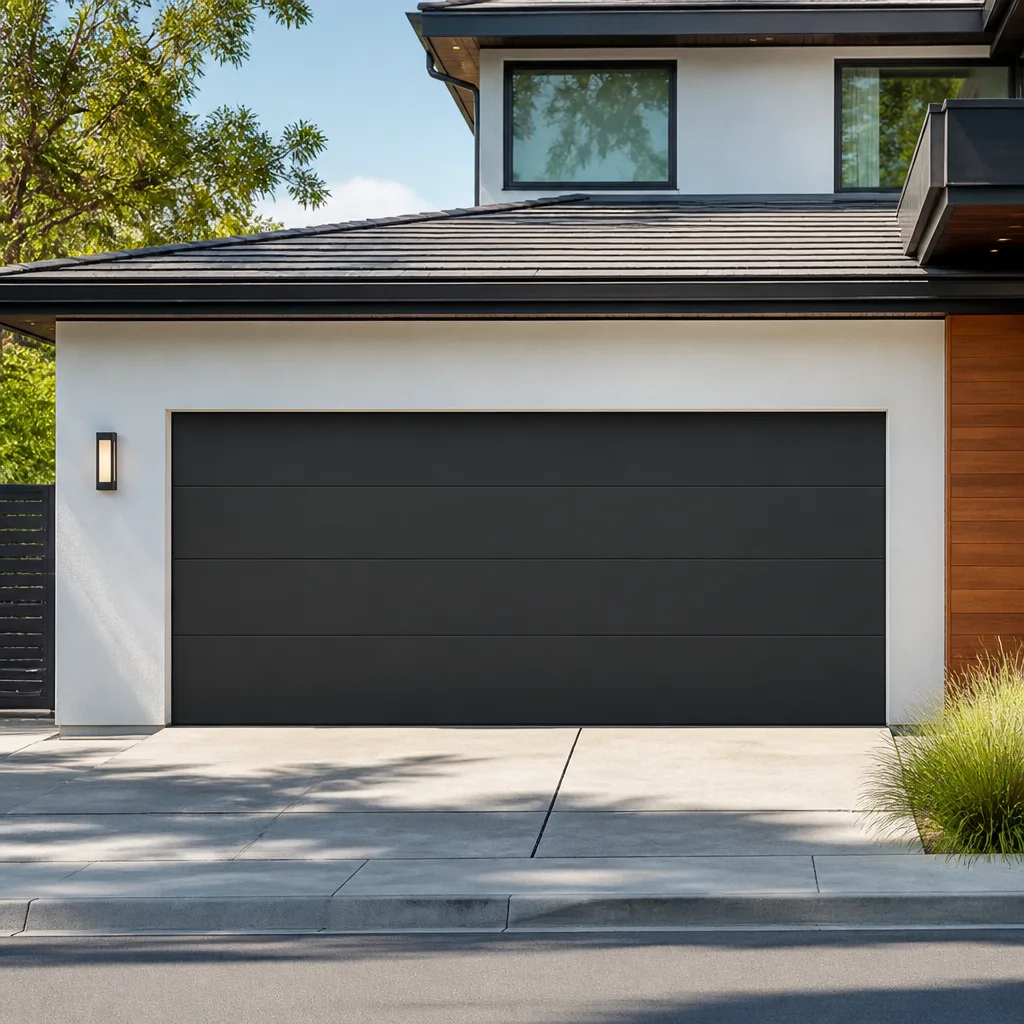 Modern flush
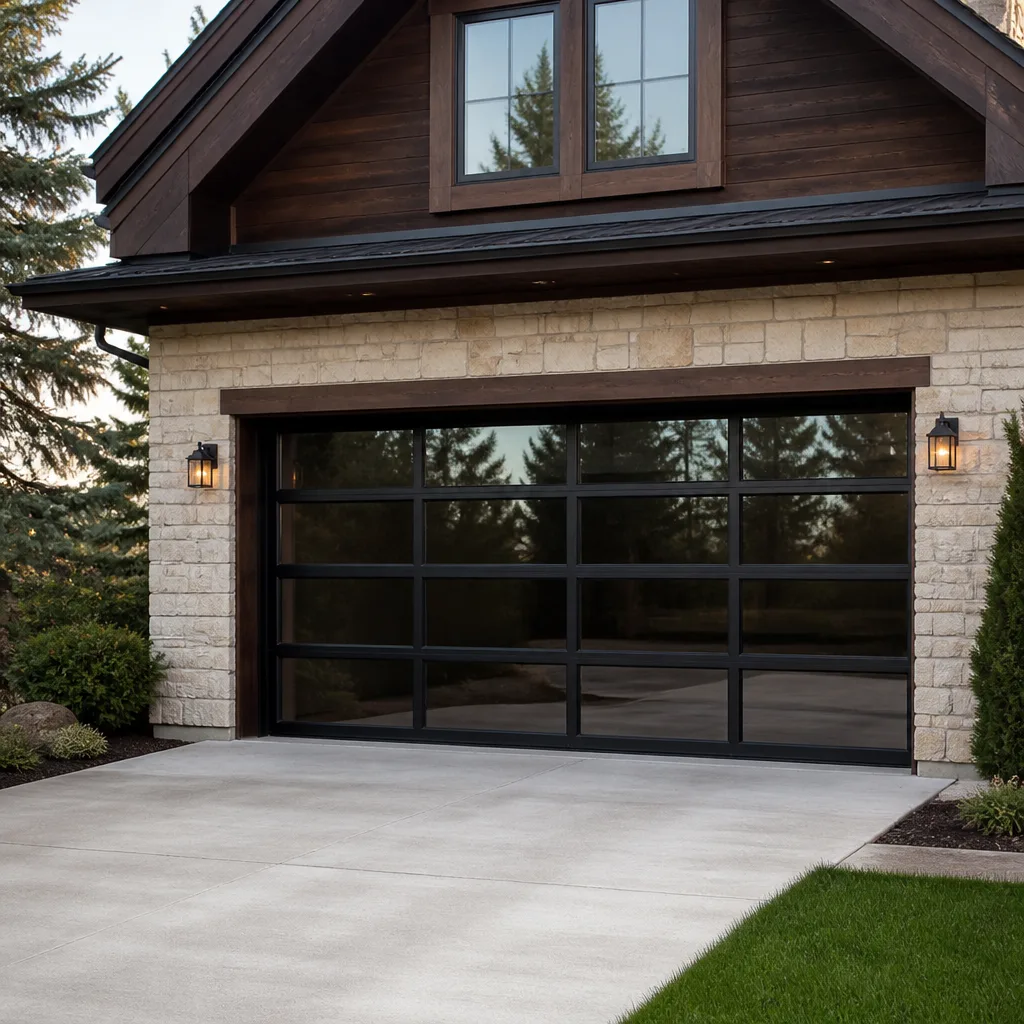 Full-view glass
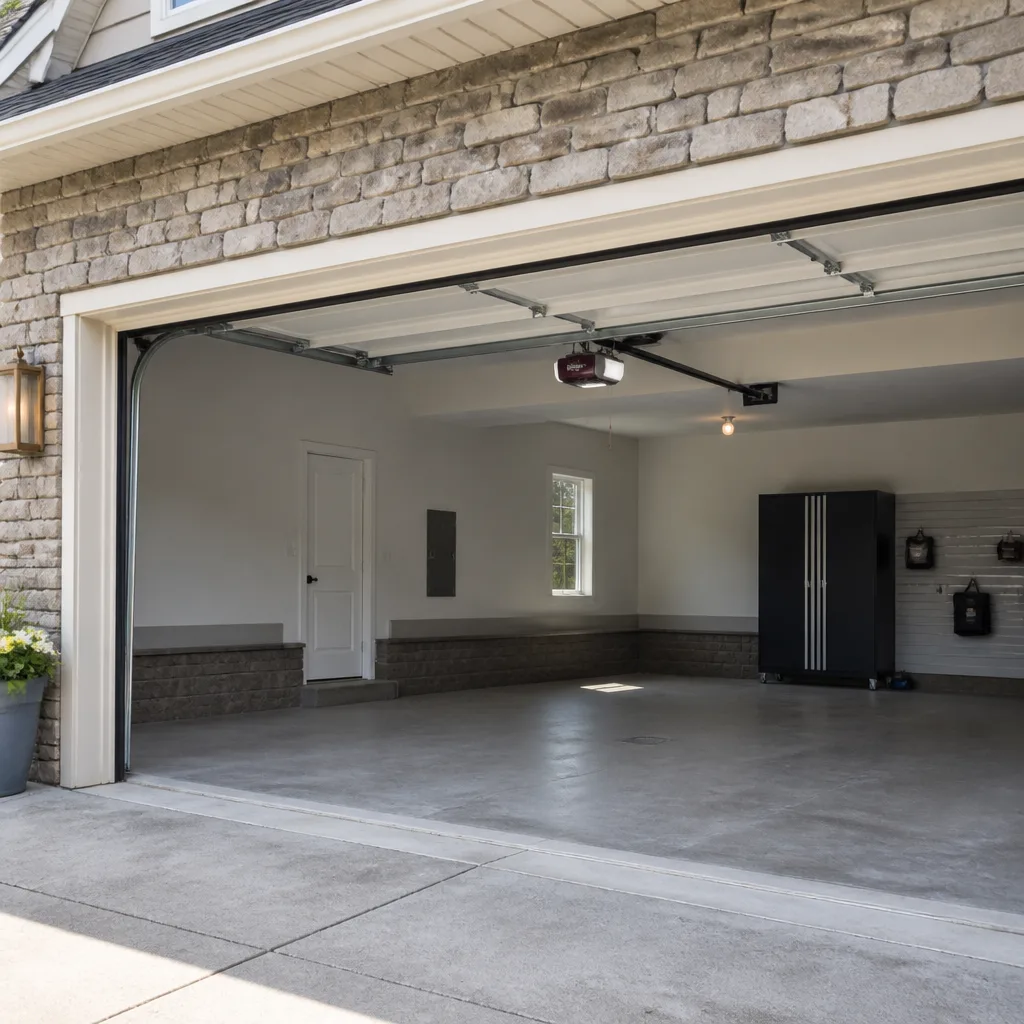 LiftMaster openers
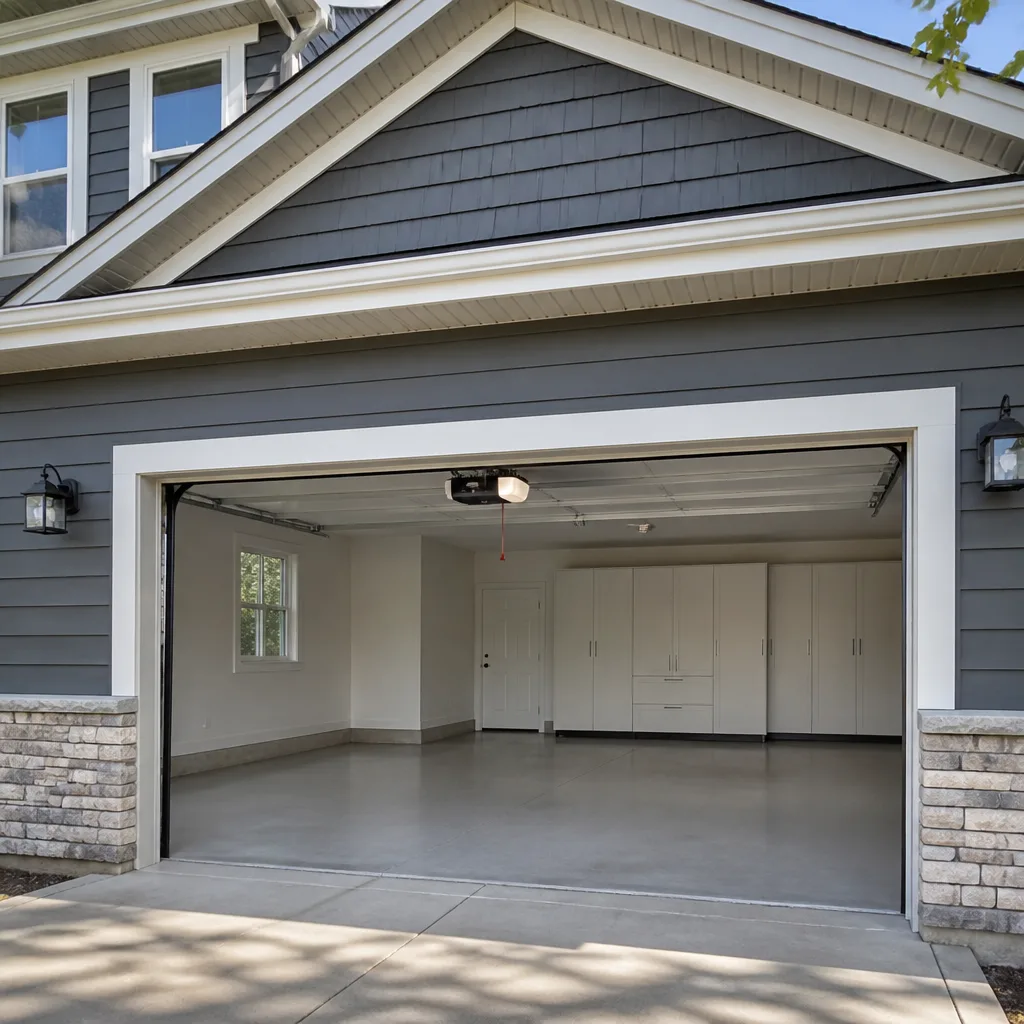 Chamberlain openers
Full 25-point door and opener safety check with every visit - springs, cables, rollers, tracks, and your LiftMaster or Chamberlain opener included
You get a price before we start. It does not change when the pro arrives.
Get your free estimateGarage Door Permits, Codes & Inspections in Williamsbridge, NY: What You Need to Know
A garage door replacement doesn’t require a permit, unless it does. In New York City, the trigger usually isn’t the door itself. It’s what else changes while the door is being installed: a rotted header, a new electrical circuit for the opener, or a detached garage that was never on the plans. That gray area has caused headaches for homeowners at resale, and it’s the reason this guide exists. We’ll map where the permit line actually falls for Williamsbridge homes, what an inspector looks for, and how to handle past work that was never filed.
Quick Answer
A like-for-like garage door replacement in Williamsbridge generally does not require a permit. Structural changes to the header or framing, new garage construction, and new electrical circuits for an opener typically do require filing with the NYC Department of Buildings, often with a licensed electrician handling the electrical filing. When in doubt, call the DOB or ask us before work begins.
Styles & brands we work with
- Raised-panel steel
- Carriage house
- Modern flush
- Full-view glass
- LiftMaster openers
- Chamberlain openers
Table of Contents
- Replacement vs. New Construction: Where the Permit Line Falls
- NYC DOB Rules That Apply to Garage Doors in Williamsbridge
- When an Opener Upgrade Crosses Into Permit Territory
- Structural Header Changes in Older Bronx Homes
- What an Inspector Actually Looks For
- How Permit History Shows Up at a Home Sale
- What to Do If Past Work Was Unpermitted
Replacement vs. New Construction: Where the Permit Line Falls
The simplest way to think about it: you’re swapping a door for a door of the same size and type, and the framing stays put. In Williamsbridge, that’s the common case, and it usually doesn’t require a permit. You’re not adding square footage, you’re not changing the opening, and you’re not touching structure or wiring.
The job changes character the moment one of those three things moves. A new garage is new construction and needs a full filing. A door that gets wider or taller changes the opening, which means the header and framing are part of the job. A new opener circuit means electrical work, and that sits under a different set of rules entirely.
Here’s how we break down the typical scenarios:
- Same-size door swap, same tracks and springs: usually no permit.
- Door size change or new rough opening: typically requires filing.
- Header modification or reframing: typically requires a structural filing.
- New electrical circuit for an opener: typically requires an electrical filing handled by a licensed electrician.
- Brand-new detached or attached garage: full construction permit.
Those lines are general, not a substitute for asking the DOB directly. Williamsbridge has a lot of older housing stock where a door replacement is straightforward on paper and then the installer pulls the trim and finds something that changes the plan. If that happens, work stops and the question gets asked before anything gets cut.
NYC DOB Rules That Apply to Garage Doors in Williamsbridge
The NYC Department of Buildings is the authority that decides what needs a filing, and their answers depend on scope, not on the word “garage door.” A replacement that matches the existing opening is treated very differently from anything that alters the structure or adds or changes wiring.
For a Williamsbridge homeowner, the practical points to know are these:
- Replacement in kind is generally treated as ordinary maintenance and doesn’t need a filing.
- Anything that changes the building envelope, structure, or electrical system moves into permit territory.
- Filing is usually done by the contractor or a licensed design professional, not the homeowner, though the homeowner is the one who owns the record.
- Inspections follow the permit. A permitted job gets inspected; an unpermitted job doesn’t, which is exactly the problem at resale.
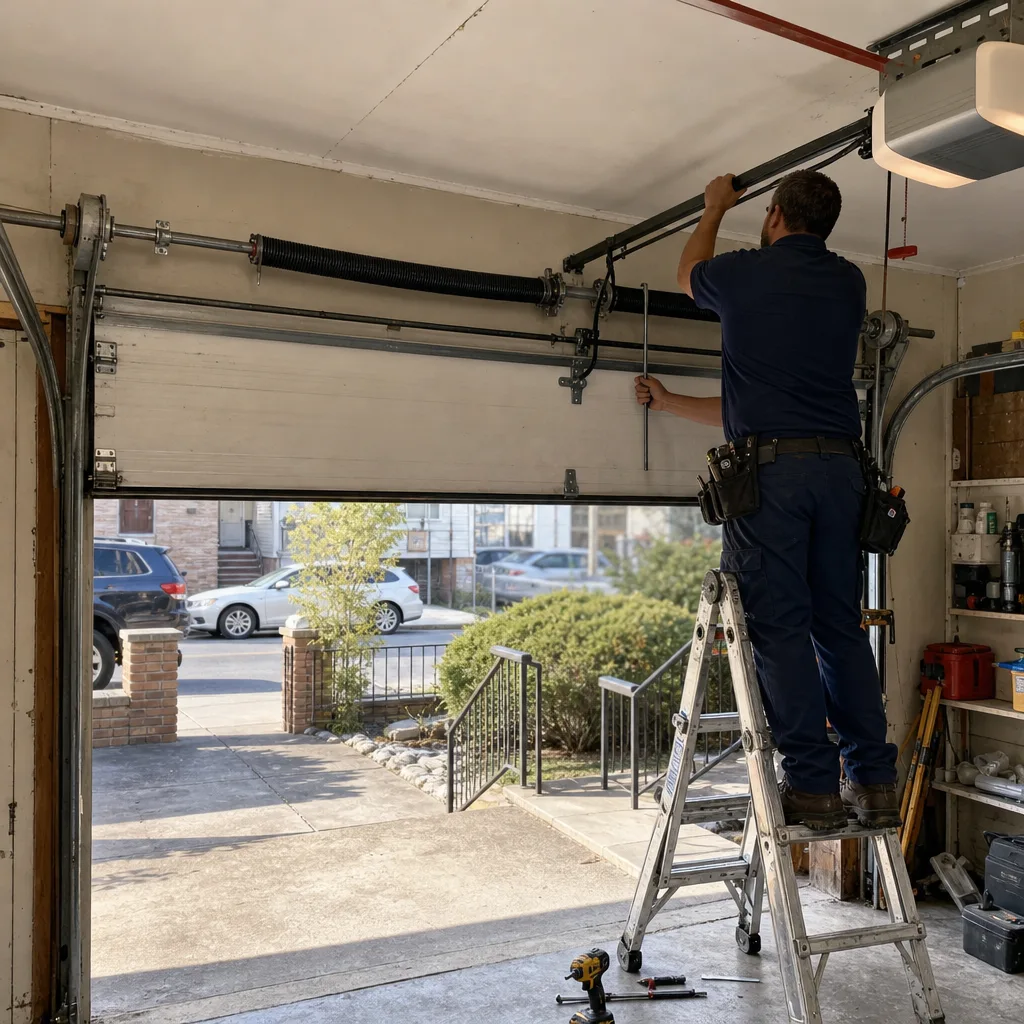
We always recommend a two-minute phone call to the DOB before signing anything on a job that touches structure or wiring. Ask them the specific question: “I’m replacing a door of the same size, but I’m also changing X.” Their answer is the one that matters, and it’s free. When the scope is limited to a repair on an existing door, you can read more about Garage Door Repair Williamsbridge and what a typical repair visit covers.
One Williamsbridge-specific wrinkle: many homes here have detached or semi-detached garages that were built long before current code existed. Their framing and electrical may not match what’s drawn on file. That’s not a reason to avoid a filing; it’s a reason to know the condition before you start.
When an Opener Upgrade Crosses Into Permit Territory
An opener replacement is usually a like-for-like swap: the old unit comes off the ceiling, the new one goes on, and the existing outlet and wiring are reused. That’s generally maintenance, not a permit job. Where homeowners get caught is when the swap turns into a wiring project.
Here’s the dividing line. If the new opener plugs into an outlet that was already there, you’re usually fine. If the work involves any of the following, it typically crosses into electrical permit territory and needs a licensed electrician:
- Running a new dedicated circuit to the garage.
- Adding or relocating outlets or a disconnect.
- Replacing old knob-and-tube or fabric-insulated wiring to serve the opener.
- Converting a hardwired opener to a plug-in setup, or the reverse, in a way that changes the circuit.
Electrical work is dangerous, and it’s also the part of a garage door job most likely to be done wrong by someone cutting corners. We don’t do it, and we won’t pretend otherwise. When the job needs a new circuit, the right move is a licensed electrician for the wiring and us for the garage door opener repair and door work. Two trades, one coordinated schedule, one finished door.
We work on LiftMaster, Chamberlain, Genie, and Craftsman openers often enough that the diagnosis is quick and the fix is brand-accurate. That matters here because some opener failures look like electrical problems and turn out to be a sensor or a logic board. Getting the brand right saves a wrong turn.
Structural Header Changes in Older Bronx Homes
The header is the beam above the garage opening that carries the load of the wall and roof above it. In older Williamsbridge homes, it’s also the part of a garage that has been patched, sistered, or sagged over time. When a door replacement reveals a header that’s soft, cracked, or undersized, the job changes: now you’re touching structure, and structure usually means a permit and often an engineer’s involvement.
The signs a header needs attention, as opposed to just a new door:
- Visible sagging along the top of the opening.
- Daylight or a gap where the header meets the side framing.
- Soft or crumbling wood when the trim is removed.
- Cracks in the masonry or brick above the opening.
- A door that has never fit right, no matter how it’s adjusted.
Any of those, and the honest answer is that a new door without fixing the header is money spent on a problem that will come back. The header job itself is a structural repair, filed separately, and often requires a licensed engineer to sign off on the design. We handle the garage door portion, and we’ll tell you plainly when the job has moved beyond a door install. For straight replacement work on a sound opening, see garage door installation. Brands like Clopay and Amarr are common on Williamsbridge homes, and we know the parts and the fit.
It’s worth saying out loud: this is the piece of the job most often skipped, and the piece most likely to surface years later when a buyer’s inspector puts a level on the opening.
What an Inspector Actually Looks For
A garage door-related inspection in New York City is narrow. The inspector is checking that the work matches what was filed and that it’s safe, not grading the aesthetics of your new door. Knowing what they look at helps the job go smoothly.
What typically gets checked:
- Door and opening dimensions against the approved filing.
- Header and framing condition, where structural work was part of the scope.
- Attachment of tracks and springs to solid framing, not to patched or hollow material.
- Electrical connections, where a new circuit was installed, checked by the electrical inspector.
- Safety features on the opener, like the photo-eye sensors and the reversing function.
Passing is mostly about doing the work correctly the first time and not changing scope mid-job. The failures we hear about are almost always scope mismatches: the filing says one thing, the job did another. If the plan changes once the wall is open, the filing gets updated before the work continues.
We’ve handled enough jobs in Williamsbridge to know that a clean inspection starts with an honest scope. If the header is suspect, we say so before a new door is ordered, not after. Our technicians have up to 10 years of experience, and most of that experience is in figuring out what’s actually behind the trim.
How Permit History Shows Up at a Home Sale
Permit history is one of those things nobody thinks about until a buyer’s attorney requests it. In New York City, that history lives in the DOB’s public records. If a prior owner filed for a garage door replacement that changed the structure, there should be a permit and a sign-off. If there isn’t, the buyer’s inspector will likely flag it.
What that means in practice for a Williamsbridge seller:
- Unpermitted structural work can hold up a closing until it’s legalized or the price is adjusted.
- A missing sign-off is not the same as illegal work, but it has to be resolved one way or another.
- Records are searchable, so “I don’t remember” isn’t a useful answer to a buyer’s question.
- Lenders sometimes ask for confirmation that the garage is a legal, insurable structure.
A quick records check before listing is smart, and it’s something a homeowner can do without help. If a garage door job shows up with no sign-off, or if the door on the house doesn’t match the drawings on file, get it sorted before the buyer’s inspector does the sorting for you. For routine repair work that doesn’t touch structure, the questions rarely come up; for anything that altered the opening or the header, they almost always do.
New York City homes have been remodeled informally for a long time, and Williamsbridge is no exception. The goal isn’t to create panic over an old door; it’s to have the record clean when it matters.
What to Do If Past Work Was Unpermitted
Unpermitted garage work is fixable, and the fix starts with information. Pull the DOB records for the property, find out what was filed and what was signed off, and then decide whether the path forward is legalization or a fresh filing for the current condition. Some cases are simple paperwork. Others need an engineer and a contractor to bring the work up to code.
The steps, in order:
- Look up the property’s permit history with the NYC Department of Buildings.
- Compare the records to what’s actually on the house: door size, opening, header, wiring.
- Identify what was never filed and whether it touches structure or electrical.
- Talk to the DOB about whether legalization or a new filing applies to your situation.
- Line up the licensed trades the filing requires, plus a garage door contractor for the door portion.
- Complete the work and schedule the inspection.
It’s not a fast process, and we won’t tell you otherwise. But it’s a process with a clear end, unlike living with a disclosure problem that surfaces every time the house changes hands.
If the door itself needs work whether or not the paperwork gets straightened out, that part we handle. We know how the door on a Williamsbridge home should fit and operate, and we can tell you what’s a genuine code concern versus a cosmetic one. A Wayne Dalton or Genie system that’s been patched for years usually tells you a lot about how the rest of the job was done.
Common Mistakes to Avoid
- Assuming “door replacement” covers the whole job. The permit question turns on structure, wiring, and opening size, not on the word “door.” Read the scope, not the label.
- Letting a header problem get covered up with trim. Older Bronx homes often hide a soft header behind clean trim. If the door never fit right, find out why before a new door goes on.
- Swapping the opener without checking the circuit. A new opener on old wiring is a fire risk, and it’s also the most common way a simple swap turns into an electrical filing.
- Skipping the DOB records check before selling. Buyers and their attorneys check. A homeowner who checks first controls the timeline.
- Letting a contractor change scope mid-job without updating the filing. That’s how an otherwise clean job fails inspection.
- Assuming a previous permit means a previous sign-off. Permits without final inspections are nearly as much trouble as no permit at all.
- Taking a verbal “you don’t need a permit” as final. Ask the DOB in writing, or ask us and we’ll walk through the scope item by item.
See the difference
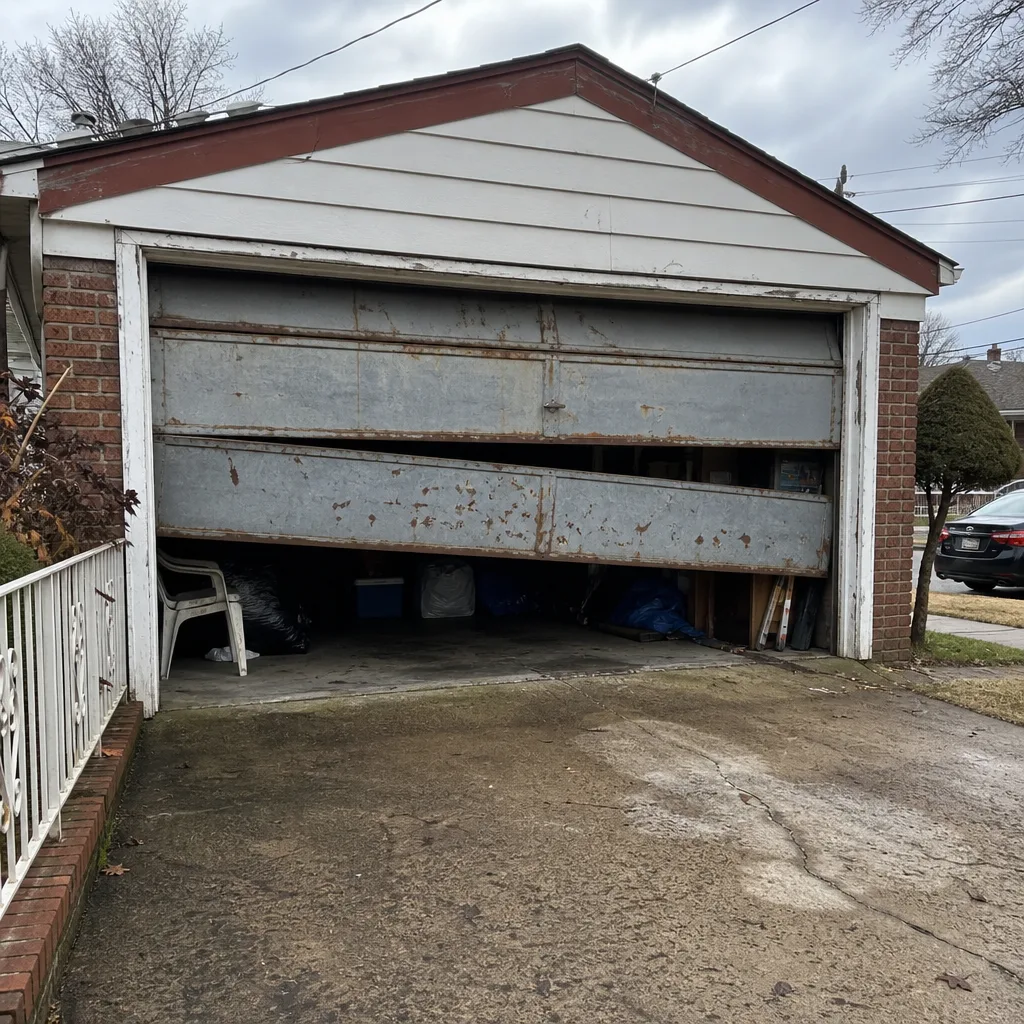 Before
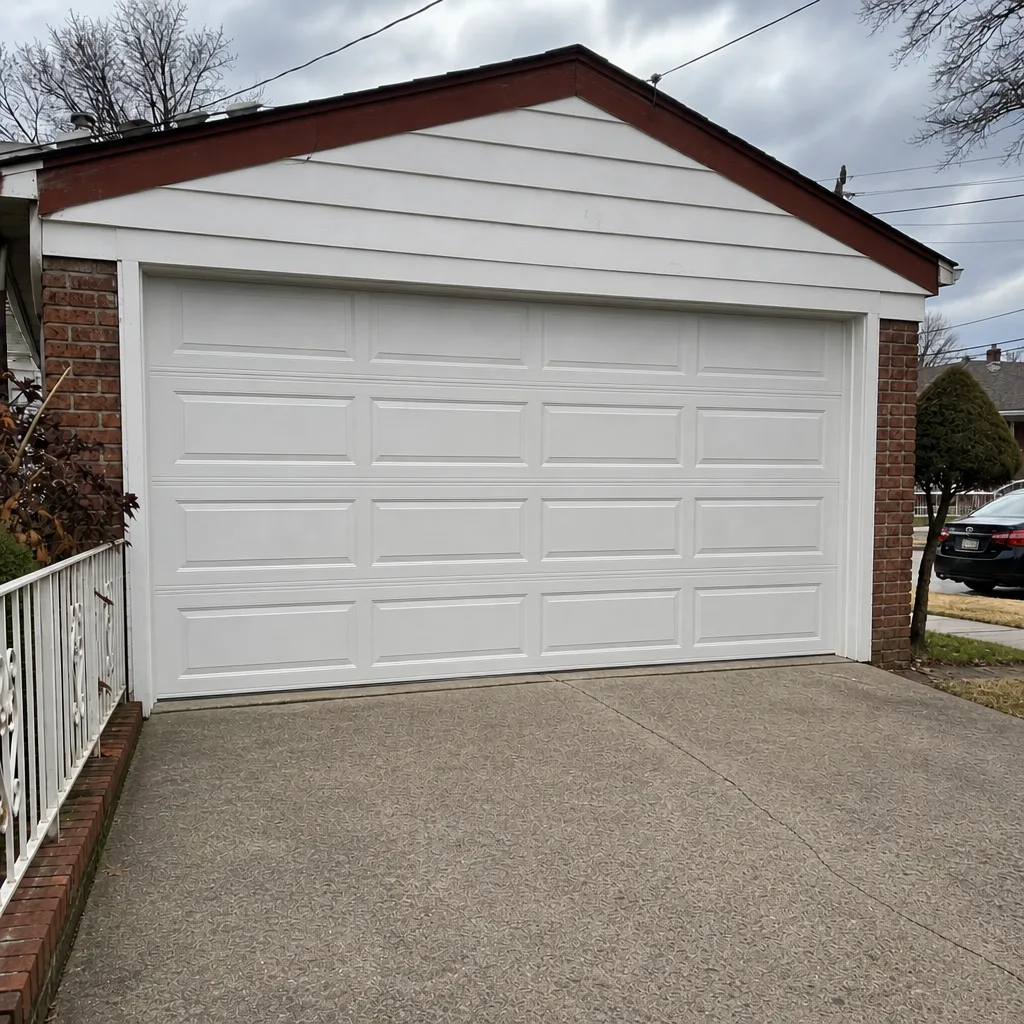 After
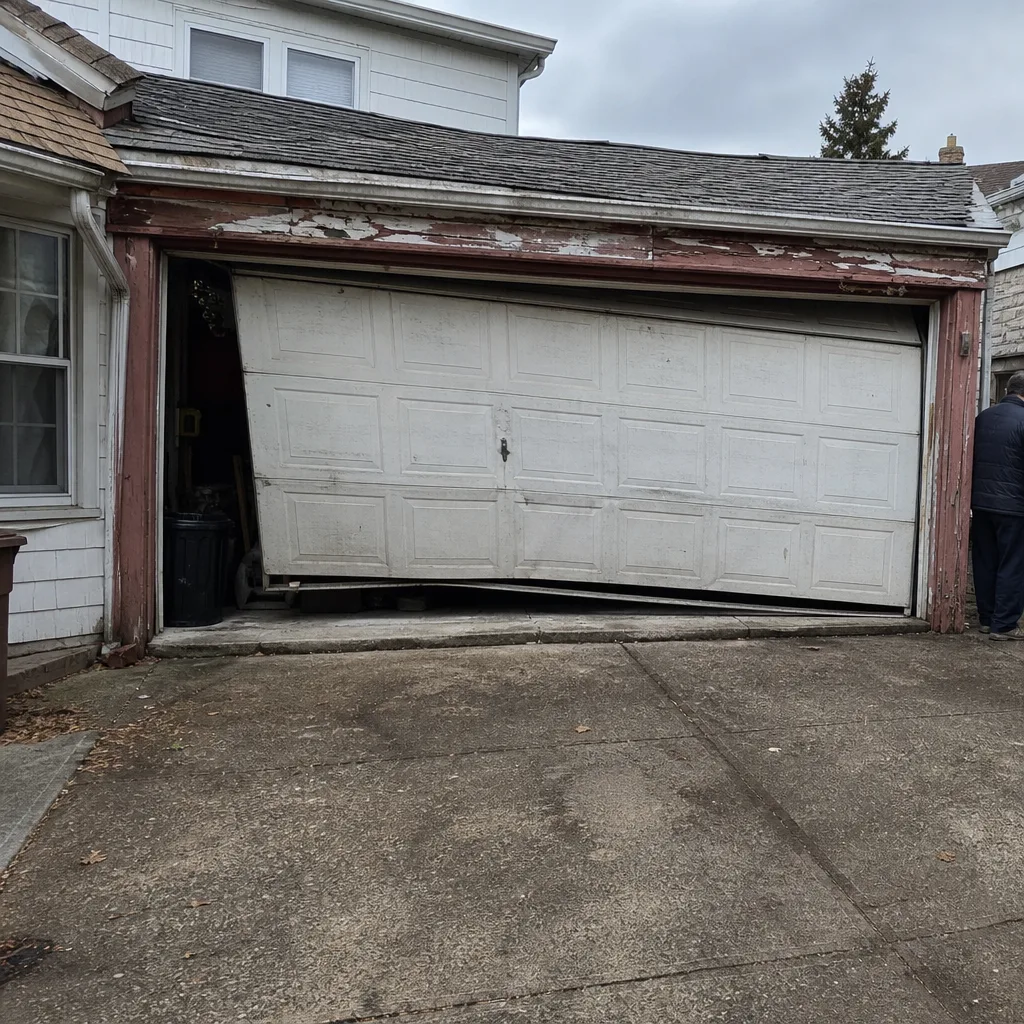 Before
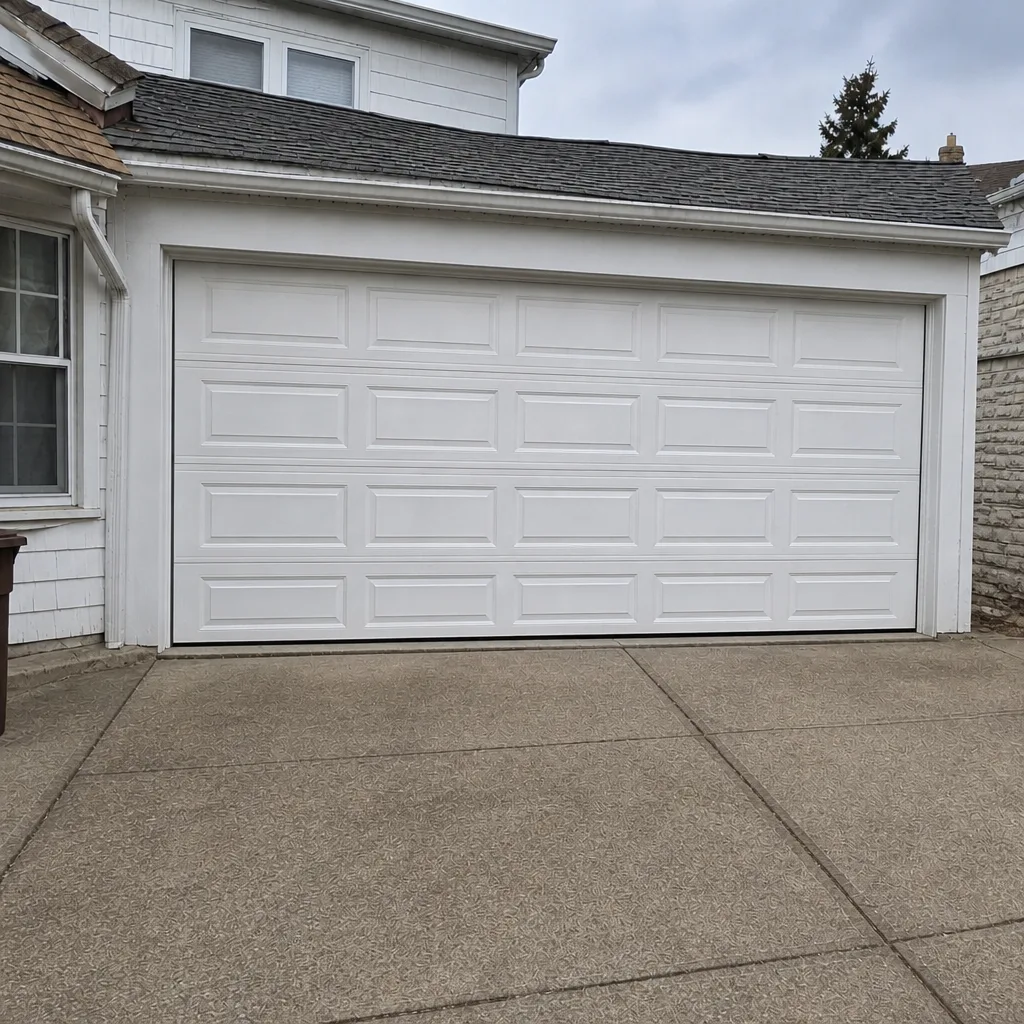 After
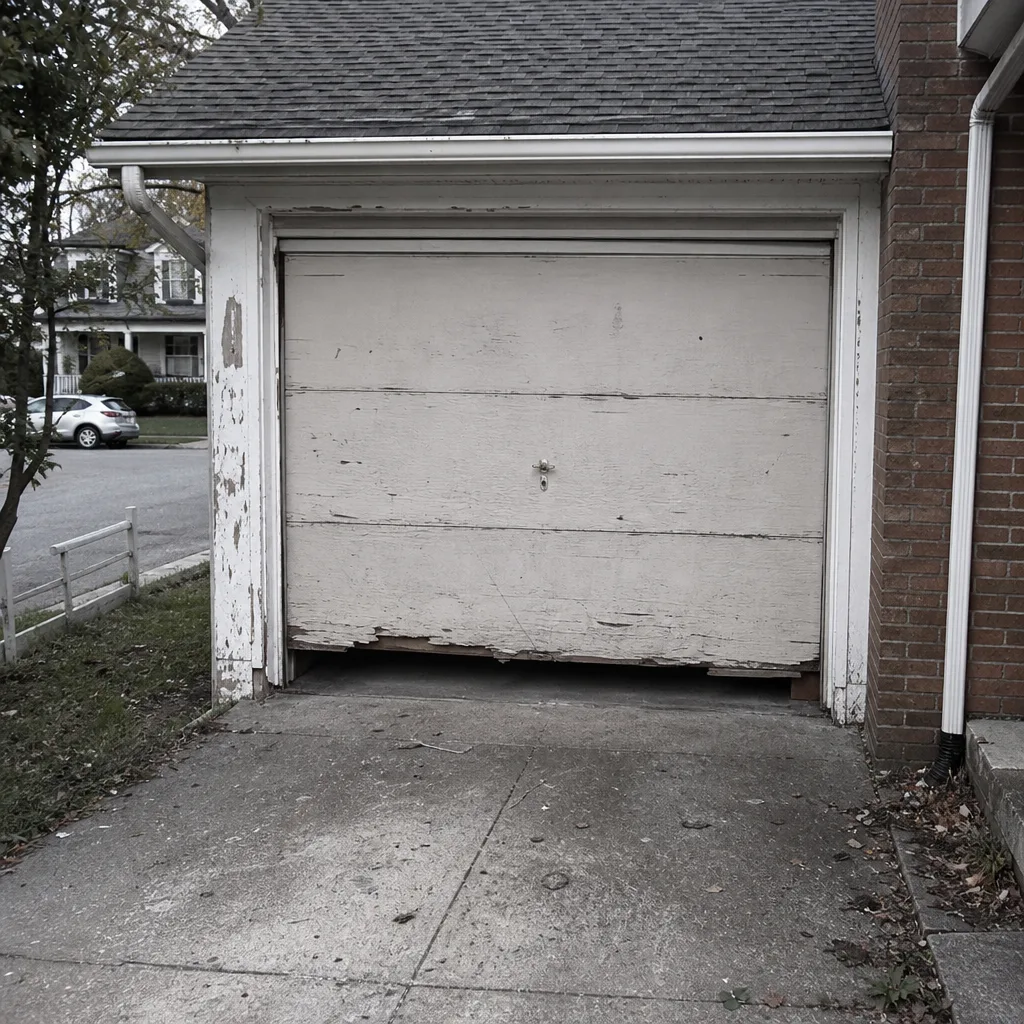 Before
 After
When to Call a Professional
Call us when the door needs work and the question of what’s allowed is getting in the way of the repair. We handle spring replacement, opener repair, panel work, and full installation, and we can tell you plainly whether the scope stays in maintenance or heads into permit territory. Springs are the most dangerous part of any garage door system, and we handle them so you don’t have to. Garage Door Repair Williamsbridge offers free estimates in Williamsbridge. Call (844) 443-3810. We answer 24/7. Fast dispatch from 7am to 7pm, Sunday through Friday. Every price is quoted and agreed before any work starts.
Frequently Asked Questions
Usually not, if the replacement matches the existing opening and doesn’t touch structure or wiring. A same-size swap on an existing door is generally treated as ordinary maintenance. If the job changes the opening, modifies the header, or adds a new electrical circuit, expect to file with the NYC Department of Buildings. Call (844) 443-3810 for a free estimate on the door portion.
Only if the job involves new wiring. Plugging a new opener into an existing outlet is typically maintenance. Running a new dedicated circuit, adding outlets, or replacing old wiring to serve the opener usually requires an electrical permit and a licensed electrician. We handle the opener; the electrician handles the circuit.
No. The written estimate is the price, and we don’t adjust it after the fact. What can change is the scope if the wall is opened and something unexpected shows up, but that gets discussed and agreed before any additional work begins. Estimates are free; call (844) 443-3810.
Often yes. Same-day service is available for repair and emergency calls. We answer 24/7, and fast dispatch runs from 7am to 7pm, Sunday through Friday. A call outside dispatch hours is booked into the next opening. Call (844) 443-3810 and we’ll get you on the schedule.
The local pro we connect you with is licensed and insured as New York State and New York City require. Our technicians have up to 10 years of experience, and we work on the eight major brands homeowners actually have: LiftMaster, Chamberlain, Genie, Clopay, Amarr, Wayne Dalton, Craftsman, and Raynor. Call (844) 443-3810 for details.
Look up the property’s permit history with the NYC Department of Buildings and compare it to what’s on the house. If the door size or opening doesn’t match the records, or a permit exists with no final sign-off, that’s the gap to resolve. We can inspect the door itself and tell you what’s a code concern versus a cosmetic one.
The Bottom Line
Most garage door replacements in Williamsbridge don’t need a permit. The ones that do usually involve a structural header change, a new electrical circuit, new construction, or a change to the size of the opening. The gray area lives in scope, not in the word “door,” and it’s the part that causes trouble at resale. Check the DOB records before you sell, ask the DOB directly when the scope is unclear, and let a licensed electrician handle wiring. For the door itself, we’re one call away, and the price is always set by a written estimate before work starts.
If your door is failing or you’re planning a replacement, call Garage Door Repair Williamsbridge at (844) 443-3810 for a free estimate. We answer 24/7. Fast dispatch from 7am to 7pm, Sunday through Friday. We work on the brand already on your home, and we’ll tell you honestly whether the job stays a repair or heads into permit territory.
Written by the team at Garage Door Repair Williamsbridge.