
Last updated November 21, 2026
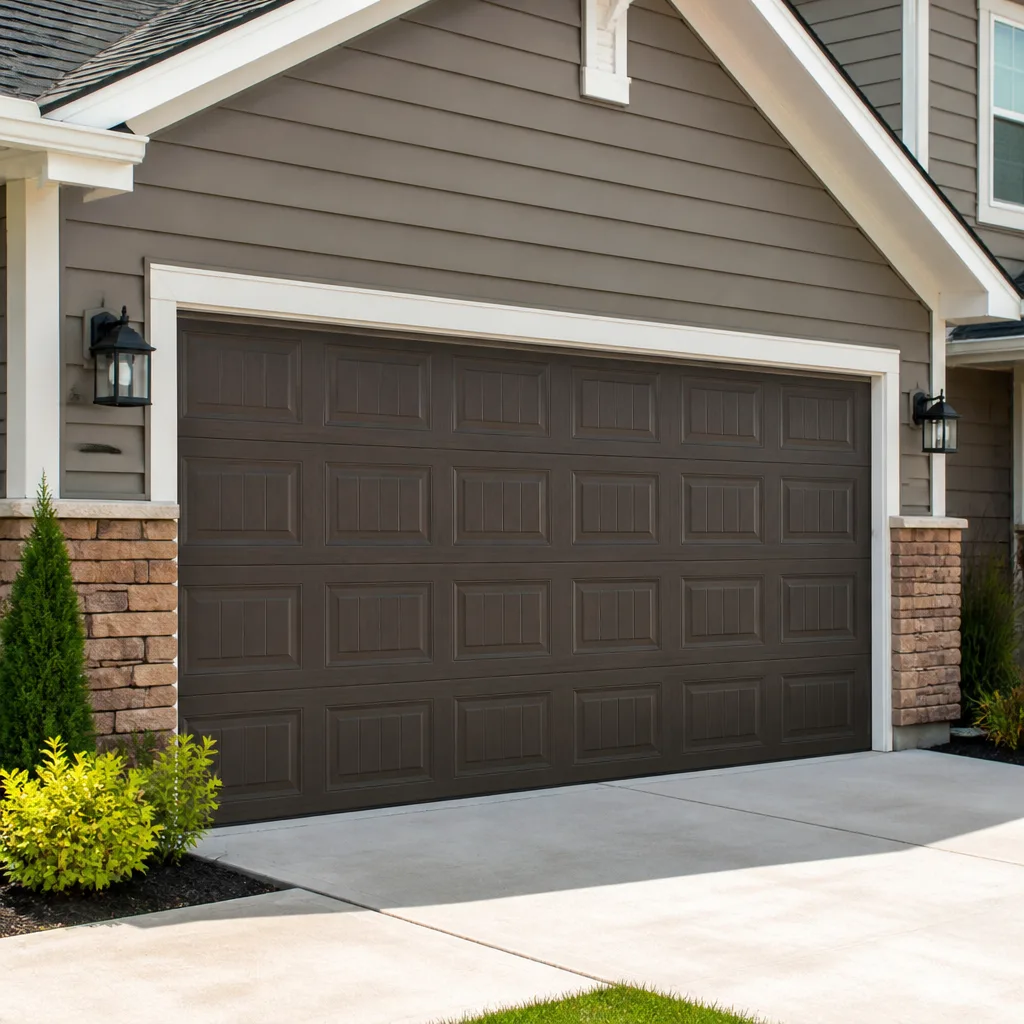 Raised-panel steel
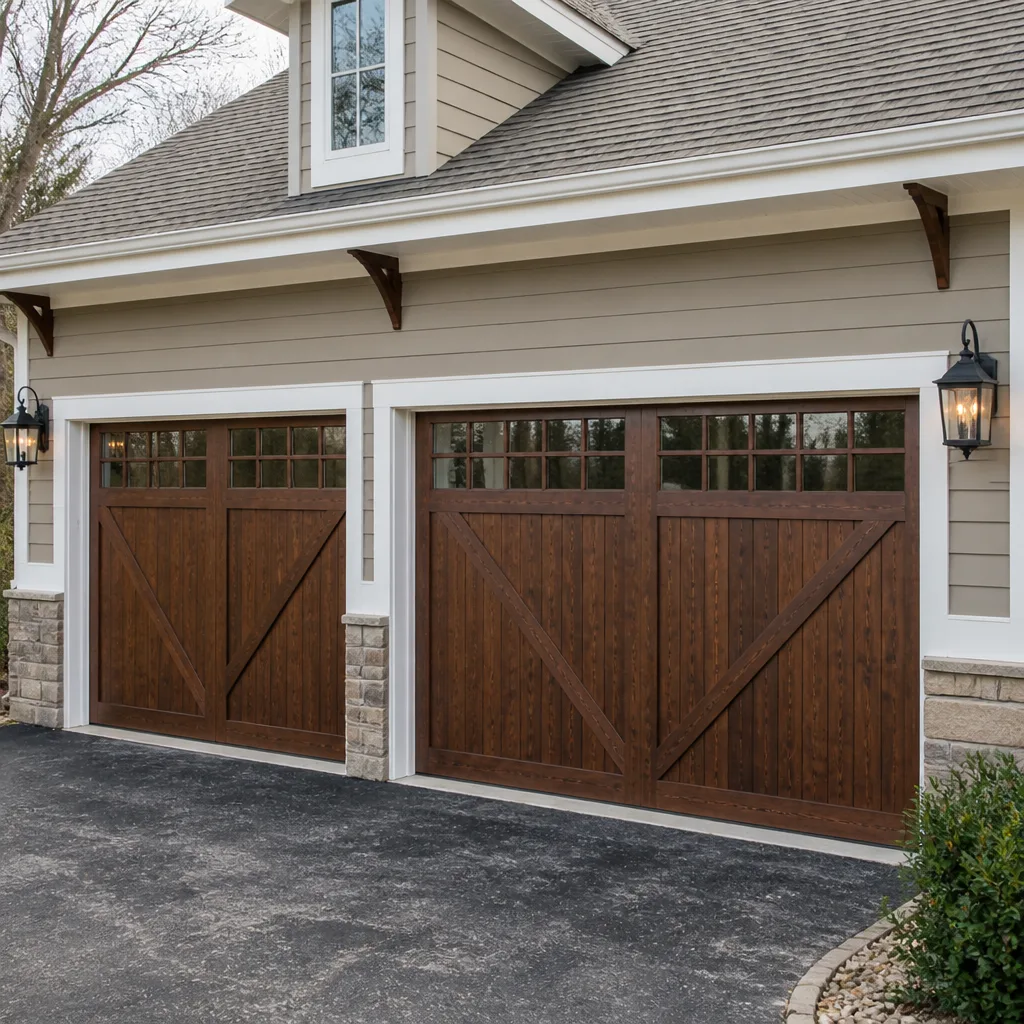 Carriage house
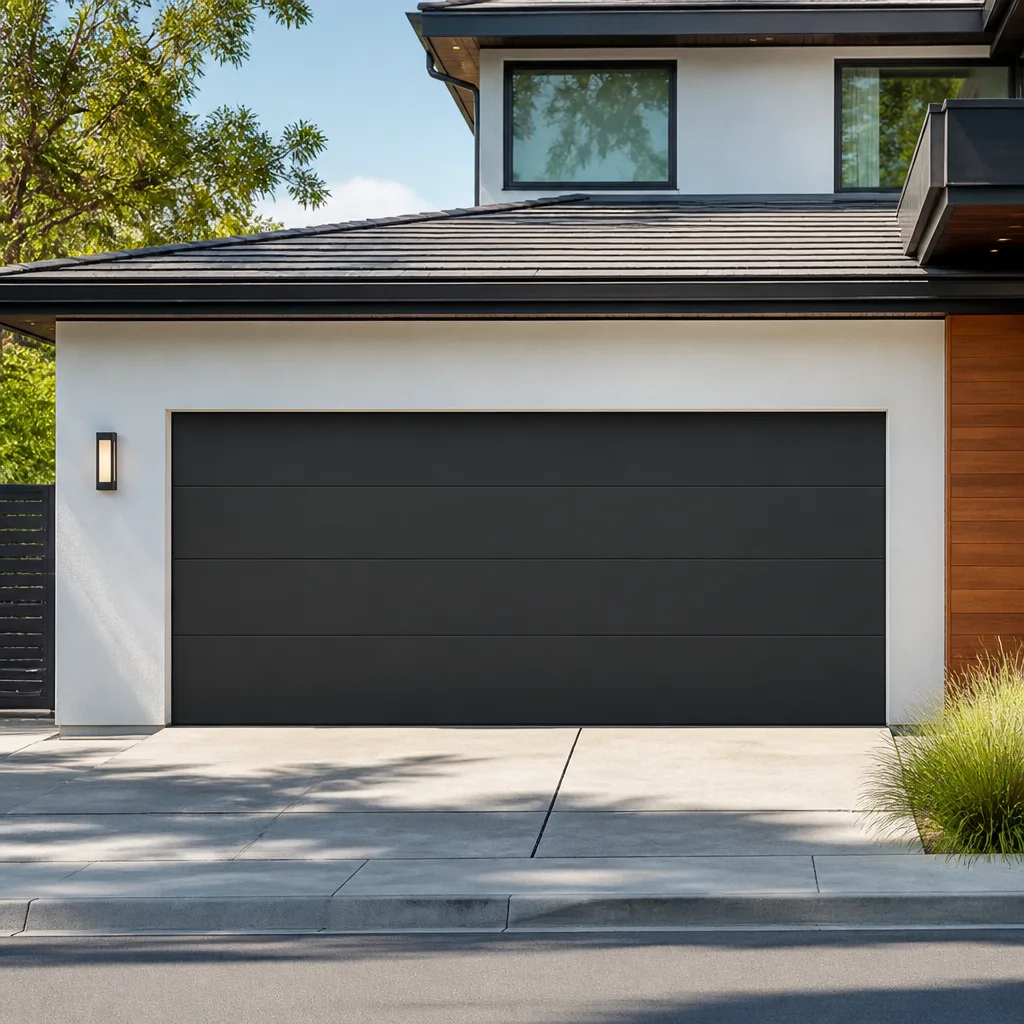 Modern flush
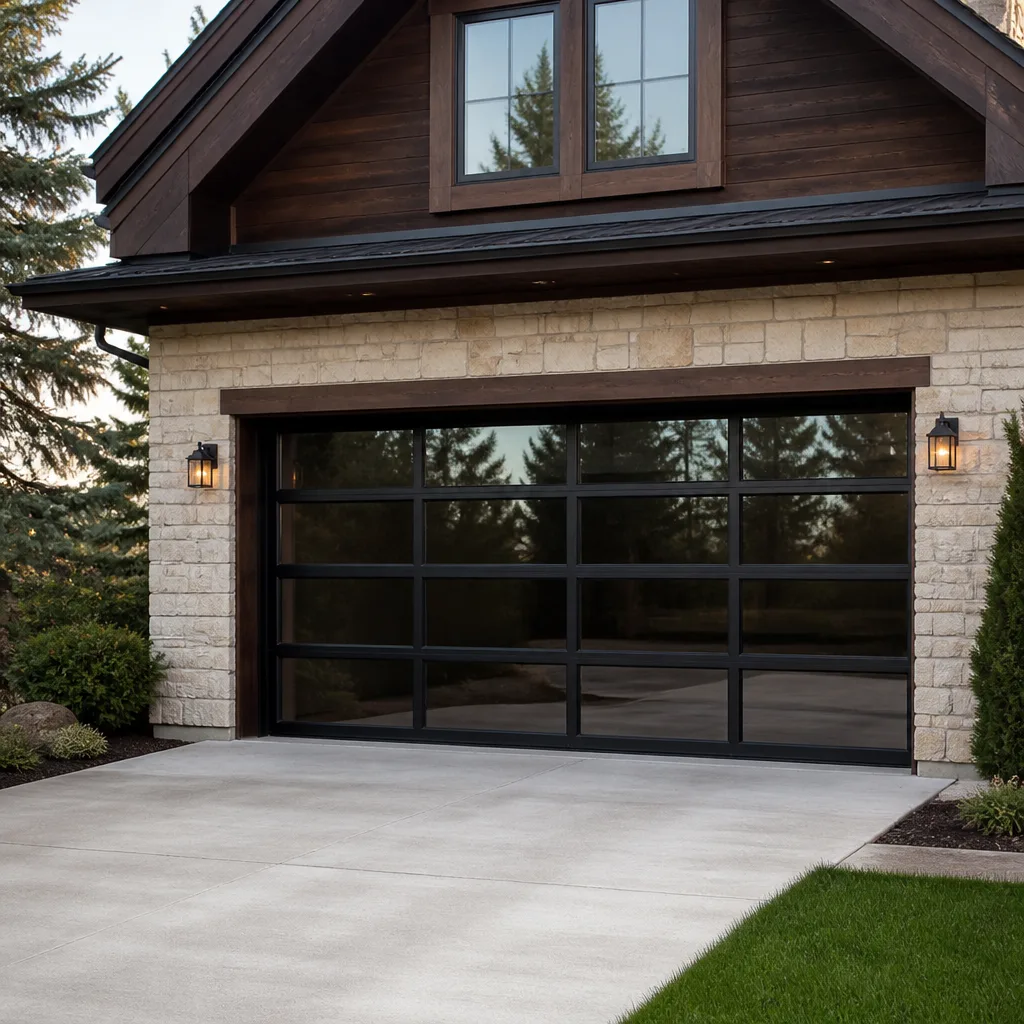 Full-view glass
 LiftMaster openers
 Chamberlain openers
Full 25-point door and opener safety check with every visit - springs, cables, rollers, tracks, and your LiftMaster or Chamberlain opener included
You get a price before we start. It does not change when the pro arrives.
Get your free estimateThe Complete Guide to Garage Doors in Williamsbridge
Most Williamsbridge homes were built before automatic garage door openers existed, which means the door, the frame, and the opener are rarely designed for each other. That mismatch sits behind a large share of the repair calls we get in this neighborhood. A door hung for a 1950s detached garage gets an opener bolted on decades later, and suddenly the header is too shallow, the track is out of plumb, and the motor is fighting a spring that was never sized for it. This guide explains how Williamsbridge’s older housing stock, tight driveways, and Bronx weather shape every part of a garage door system, from spring lifespan to opener compatibility.
Quick Answer
Garage doors in Williamsbridge usually fail for three reasons: spring fatigue, opener mismatch on pre-1970s construction, and track misalignment from narrow, shared driveways. Repair costs typically run $150 to $600 depending on the part, and spring replacement is the most common job we see. The written estimate you get before any work starts is the final price, and most repairs are scheduled the same day you call.
Styles & brands we work with
- Raised-panel steel
- Carriage house
- Modern flush
- Full-view glass
- LiftMaster openers
- Chamberlain openers
Table of Contents
- How Williamsbridge’s Older Housing Stock Shapes Every Garage Door
- Attached vs. Detached Garages: Door Types and Why Repair Logic Changes
- Which Opener Brands Dominate Williamsbridge and What That Means for Parts
- Narrow Lots and Shared Driveways: What You Can and Can’t Install
- A Realistic Lifespan Chart for Springs, Cables, and Openers in the Bronx
- Why Springs Are the Most Dangerous Part of the System
- What You Can Check Yourself vs. What Needs a Technician
- What Garage Door Work Costs in Williamsbridge
How Williamsbridge’s Older Housing Stock Shapes Every Garage Door
Williamsbridge was largely built out before automatic openers became standard, and that single fact explains a lot. When a home from the 1920s through the 1960s gets an opener, the installer has to retrofit geometry the original builder never planned for. Header clearance is the first thing we measure. A shallow header leaves no room for a proper torsion assembly, so you end up with extension springs or a low-headroom setup that works differently and ages differently.
Here’s what that means in practice:
- Header clearance: Attached garages in older Williamsbridge homes often have a header too shallow for a standard torsion bar, forcing either extension springs or a low-clearance opener.
- Track plumb: Settling foundations tilt the side tracks. A door that rubs on one side isn’t a door problem, it’s a track problem, and no amount of opener adjustment fixes it.
- Electrical. A 1940s garage may have one outlet, or none. An opener needs a properly grounded circuit, and running power where there wasn’t any is part of the planning, not an afterthought.
- Door weight: Older wood doors can be far heavier than the opener that replaced the original one was rated for. That’s a mismatch that shortens motor life and strains the springs.
None of this is a reason to panic. It’s a reason to have someone look at the actual geometry before quoting you a part. When we handle Garage Door Repair Williamsbridge, the first step is always measuring the frame and the door weight together, because on Williamsbridge homes the frame tells you more than the door label does.
Attached vs. Detached Garages: Door Types and Why Repair Logic Changes
The split between attached and detached garages in Williamsbridge isn’t decorative. It changes how the door functions and how it fails.
Attached garages
Most attached garages here carry sectional doors, and they sit under the heated envelope of the house. That keeps the door warmer and drier than a detached garage door, but it also means the door is part of the building’s weather envelope. A drafty attached garage door pushes cold air into rooms above it. Opener logic for attached garages favors belt-drive units, because a chain drive under a bedroom sounds like a small train at 6am. garage door opener repair on an attached garage often comes down to a noisy or failing trolley, not the motor itself.
Detached garages
Detached garages here are usually older, often wood-framed, and exposed on all four sides. Doors on these tend to be single-sheet or tilt-up styles, and they take a beating from wind, temperature swings, and long periods of disuse. Repair logic shifts toward rusted hinges, bent track, and cable wear from low cycling followed by sudden frequent use. A door that sat untouched most of the year and then gets used daily in winter is a classic detached-garage failure pattern.
Two things follow from this:
- Match the opener to the garage type. Belt drive for attached, chain or screw drive for detached where noise doesn’t matter.
- Expect different parts to fail first. Attached garages wear rollers and openers. Detached garages wear cables, hinges, and track.
If you’re unsure which category your garage falls into, the test is simple: is the garage physically part of the house’s walls, or its own structure? That answer changes the fix.
Which Opener Brands Dominate Williamsbridge and What That Means for Parts
Parts availability is not a small detail. If your opener is a brand the local trade knows, a repair is straightforward. If it’s an odd import, you may be waiting on a part nobody stocks. The good news is that Williamsbridge openers are dominated by a handful of brands, mostly LiftMaster, Chamberlain, Craftsman, and Raynor, with Genie and Wayne Dalton well represented too.
Why does that matter? A Craftsman opener sold under the Sears label is functionally a Chamberlain inside, which means the same logic board family, the same remote programming, and the same parts. That’s the kind of brand knowledge that turns a two-hour guessing session into a fast diagnosis.
- LiftMaster: The commercial-grade sibling of Chamberlain and extremely common on attached garages. Belt and chain drives both show up frequently.
- Chamberlain: Consumer line with broad parts availability. Remotes and logic boards are widely sourced.
- Craftsman: Older installs are very common on pre-1990s homes. Parts are essentially Chamberlain-compatible, which answers a lot of questions.
- Raynor: Seen on some mid-century garages here, sturdier build, slightly narrower parts network.
We’re factory-familiar with all eight leading brands: LiftMaster, Chamberlain, Genie, Clopay, Amarr, Wayne Dalton, Craftsman, and Raynor. That breadth is why we can usually tell you within the first phone call which part family your opener belongs to. Brand-first diagnosis saves you time when garage door repair comes down to a single worn component rather than a full replacement.
Narrow Lots and Shared Driveways: What You Can and Can’t Install
Many Williamsbridge lots were laid out for a car that no longer fits the street. The result is narrow driveways, shared access, and garages set back at odd angles. That geometry constrains what door styles and swing types actually work.
What usually fits
- Sectional doors: They travel up and back in a track, so they fit within the footprint of the garage. Best choice for tight lots.
- Belt-drive openers: Quieter and lower profile, which matters when a garage is close to a shared boundary.
- Compact torsion systems: Leave more clearance on a shorter door.
What usually doesn’t
- Single-panel tilt-up doors: They swing outward and up, which requires clear space in front of the door. On a shared driveway that’s often the neighbor’s space.
- Swing-out carriage doors: Charming, but they eat the driveway apron and conflict with shared access.
- Oversized double doors on narrow lots: Frame the door too wide and the opener ends up handling a door weight it wasn’t rated for.
- Measure the clear swing space in front of the door, not just the opening width.
- Check where the door will sit at full open – a tilt-up needs enough clearance that it doesn’t strike a fence or a neighboring property.
- Confirm the opener can be mounted without blocking a walkway or shared path.
If you’re planning a replacement, our approach to garage door installation starts with measuring the lot, not the door. That’s the order the work has to happen in on a Williamsbridge block.
A Realistic Lifespan Chart for Springs, Cables, and Openers in the Bronx
Bronx weather is hard on garage door hardware. Cold winters, hot summers, humidity, and seasonal freeze-thaw cycles that flex the frame, and salt used on nearby roads that finds its way into hinges. None of this is unique to Williamsbridge, but the combination is. Here’s a realistic lifespan chart based on how these parts actually age here.
Springs
Torsion springs are usually rated for a cycle count rather than a number of years. A cycle is one open-and-close. A household that uses the door four times a day wears a spring far faster than one that uses it once. In Bronx conditions, a typical spring under daily use lasts somewhere between seven and twelve years. Extension springs tend to run shorter. A mismatch between spring size and door weight shortens life further, which is common on older Williamsbridge homes.
Cables
Cables are the load-bearing link between the spring and the door. They age with cycle count and lubrication. In our experience they usually last eight to fifteen years. Cables that rub against a misaligned track or a seized pulley fail sooner. Frayed strands are a warning, not a wear item to ignore.
Openers
A modern opener is rated for a rough lifespan of ten to fifteen years before the motor or logic board gives out. Older chain-drive units often run longer but get noisier. Belt-drive units are quieter and often last well. If the opener is more than a decade old and starting to hesitate, the repair question becomes whether it’s worth replacing or repairing.
What shortens lifespan
- No lubrication on rollers, hinges, or springs.
- A door that isn’t balanced, so the opener fights gravity every cycle.
- Freeze-thaw movement that racks the track out of alignment.
- Shared driveways where the door gets jostled by vehicles or debris.
The single biggest predictor is usage. A family that cycles the door ten times a day wears a spring twice as fast as one that cycles it five times. That’s why we ask about use patterns before quoting a spring.
Why Springs Are the Most Dangerous Part of the System
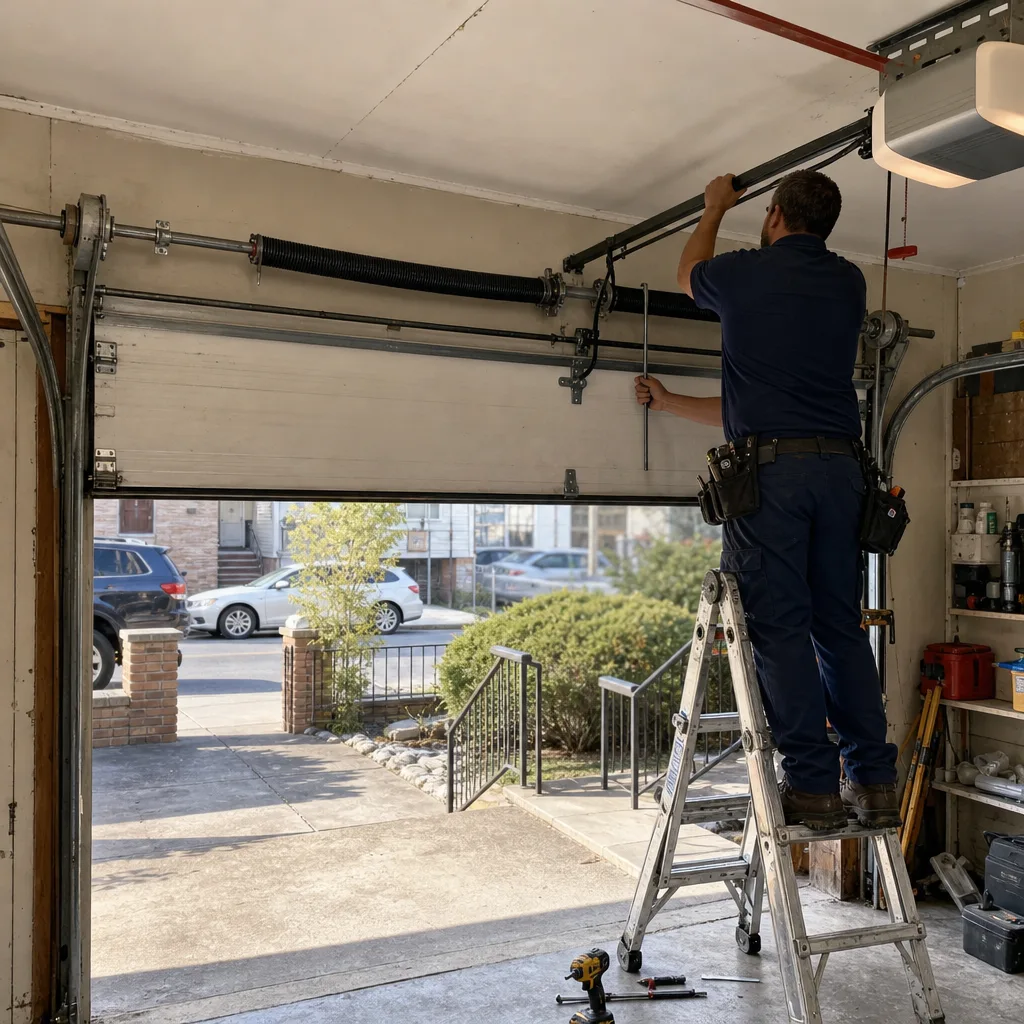
Springs are the most dangerous part of any garage door system, and we handle them so you don’t have to. A wound torsion spring stores enough energy to cause serious injury if it releases unexpectedly. Extension springs can snap and fly. This is not a part to replace with a hardware-store kit and a YouTube video. If a spring is broken, the safe move is to stop using the door and have a trained technician handle it.
Here’s how the job usually goes, which is what “how it works” means in practice:
- Confirm the problem. A broken spring shows as a door that won’t lift or feels impossibly heavy. A snapped spring may show a visible gap in the coil.
- Measure the door and identify the spring size. Springs are matched to door weight. The wrong size shortens life and strains the opener.
- Replace with matched springs. If one spring of a pair has failed, replacing both together is standard practice, since the other is the same age and about to go.
- Rebalance and test. The door should lift with one hand and stay put halfway up. If it doesn’t, the springs are wrong or the cables are off.
What you can safely check yourself:
- Does the door feel heavy when you lift it by hand? (With the opener disconnected and the door closed first.)
- Is there a visible gap in the spring coil?
- Does the door stay partly open when you let go?
What you should never attempt: unwinding or winding a torsion spring, cutting a cable under tension, or replacing a spring without the right winding bars and training. Those are the jobs that cause serious injury. If any of the above signals a problem, stop and call. Our garage door repair team handles spring work as a core service, not an upsell, and the estimate is free and set before any work starts.
What You Can Check Yourself vs. What Needs a Technician
Not every garage door problem needs a professional visit, and not every one is safe to handle alone. The split is fairly clear once you know where the danger lives.
Safe for you to check
- Balance test: Disconnect the opener, lift the door halfway by hand, and let go. A balanced door stays put. One that slams down needs spring or cable attention.
- Visual check: Look for frayed cables, rusted hinges, loose bolts, and track that has visibly shifted.
- Remote and wall button function: If one works and the other doesn’t, the problem is likely the remote or the wall control, not the opener.
- Safety reverse: Place a small object under the closing door. A modern opener should reverse on contact.
Needs a technician
- Springs and cables under tension. Always.
- Track realignment that requires unbolting the frame.
- Opener logic board or motor failure.
- Electrical work to power a new opener.
We work on the brand already on your home, which is why a maintenance check is usually quick. A LiftMaster check follows different steps than a Chamberlain check because the diagnostics are different. If you’re hearing a new noise or a part feels loose, garage door repair is a call away and the estimate is free.
What Garage Door Work Costs in Williamsbridge
Cost depends on the part and the condition of the door, not on how urgent the call feels. The written estimate sets the price, and it’s set before any work starts. Below are typical ranges for common jobs in this neighborhood.
| Job | Typical estimated range |
|---|---|
| Replacing one torsion spring | $180 to $340 |
| Replacing a matched pair of springs | $360 to $680 |
| Replacing one extension spring | $120 to $250 |
| Replacing a broken cable | $150 to $300 |
| Opener repair (logic board, trolley, or motor) | $150 to $450 |
| Full opener replacement | $350 to $800 |
| Section replacement (panel) | $250 to $700 |
| New door installation | $900 to $2,800 |
| General repair call | $150 to $600 |
A spring price is for one spring. Springs usually fail as a pair, and replacing both together is standard because the other one is the same age. That’s why the pair costs roughly twice a single spring.
Urgent work doesn’t carry a premium. The price is set per job by the written estimate, whether the door failed yesterday or last month. What matters is that the estimate is agreed before the technician starts, so the number you hear on the phone is the number you see on the bill.
For piece of mind, ask for the estimate in writing, ask whether the part is matched to your door weight, and ask what happens if the door needs more than quoted. A good technician answers all three without flinching.
Common Mistakes to Avoid
- Hanging a new opener on an unbalanced door. If the door won’t stay put by hand, the opener will wear out fast. Fix the balance first.
- Replacing one spring when both are the same age. The other one is nearly due. Replacing the pair together costs less than two separate visits.
- Ignoring a frayed cable. Frayed strands mean the cable is close to failure. That’s a safety issue, not a cosmetic one.
- Buying an opener based on brand alone. A LiftMaster from a big-box store may be a different tier than the commercial-grade version. Match the opener to the door weight and cycle count.
- Forcing a stuck door. A door that won’t move is telling you something is broken. Forcing it with a car or by hand bends the track and makes the repair bigger.
- DIY spring work. Torsion springs store enough energy to cause serious injury. This is the one part of the system to leave to a trained technician.
- Assuming a door that fails on a Saturday is a weekend-long problem. We’re closed on Saturday, but we answer the phone and book the work into the next opening, Sunday through Friday, 7am to 7pm.
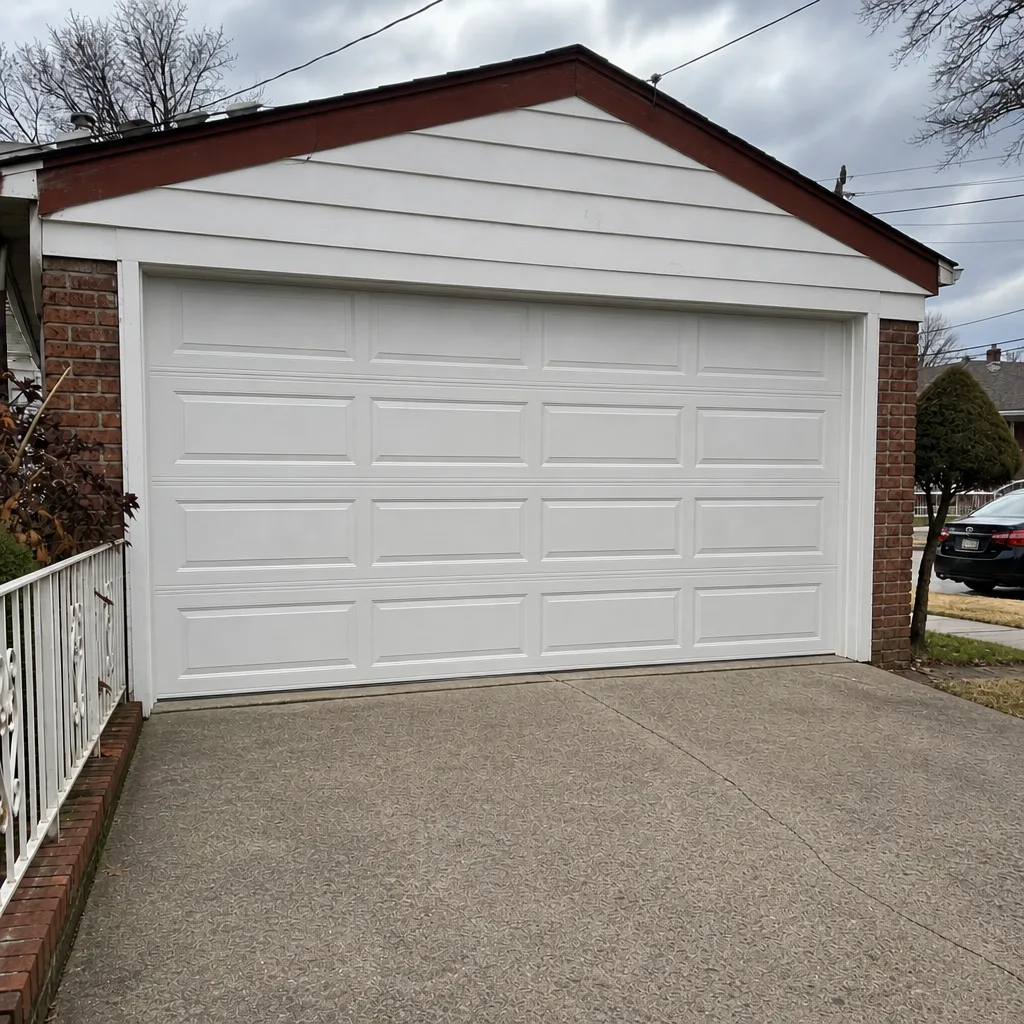
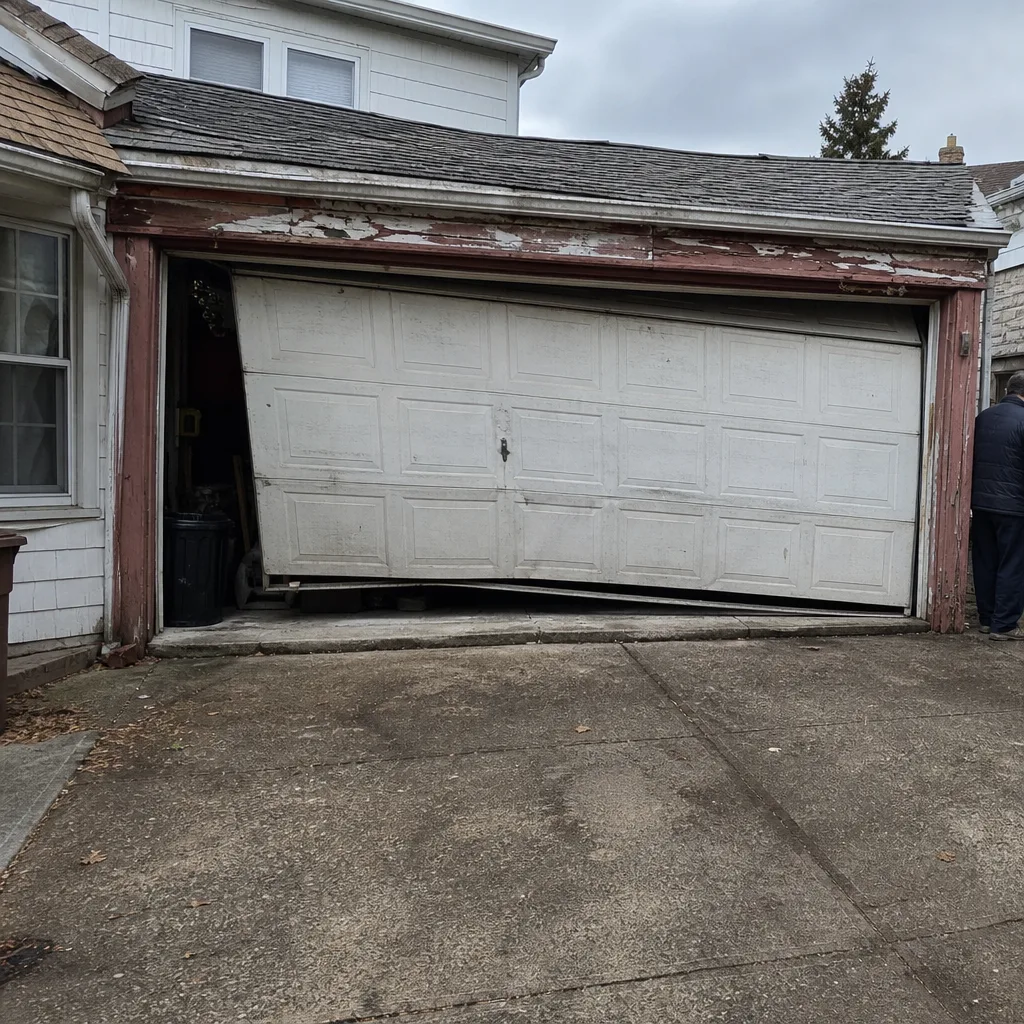
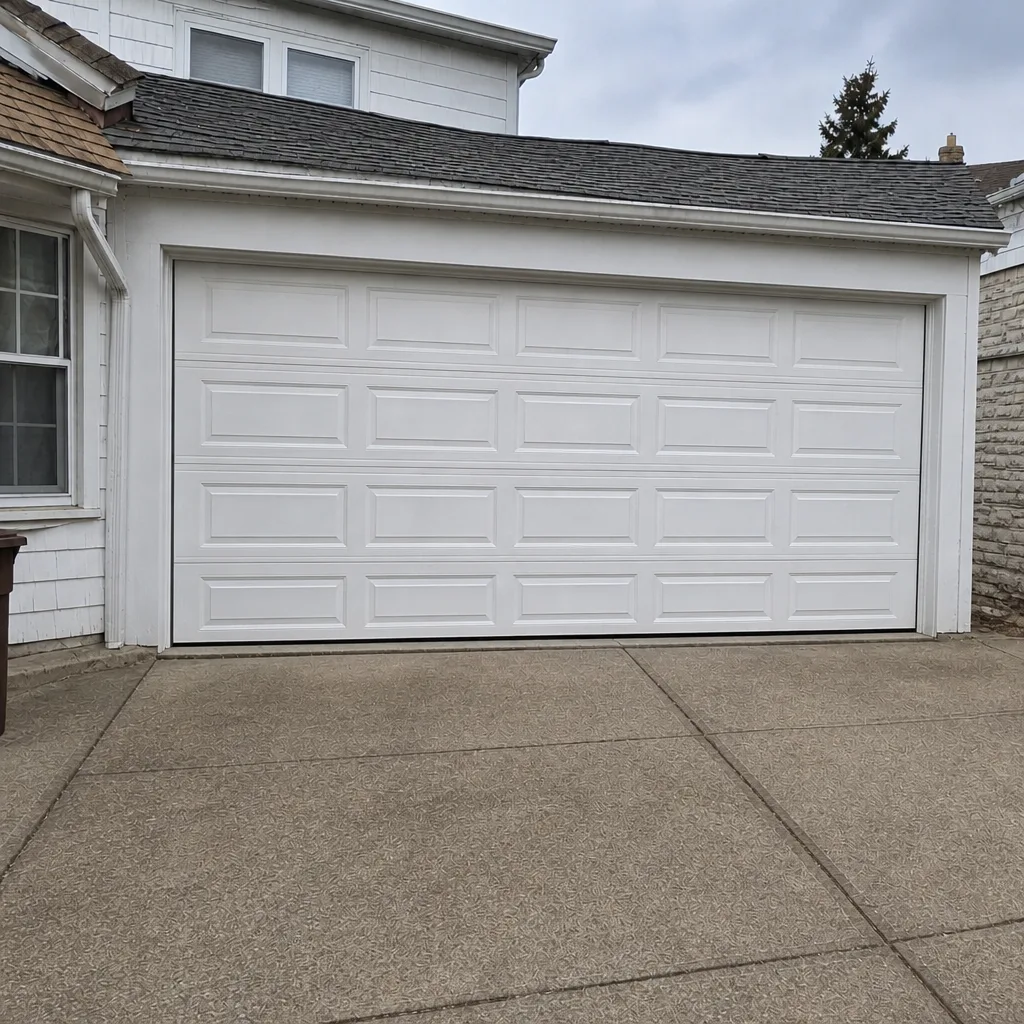
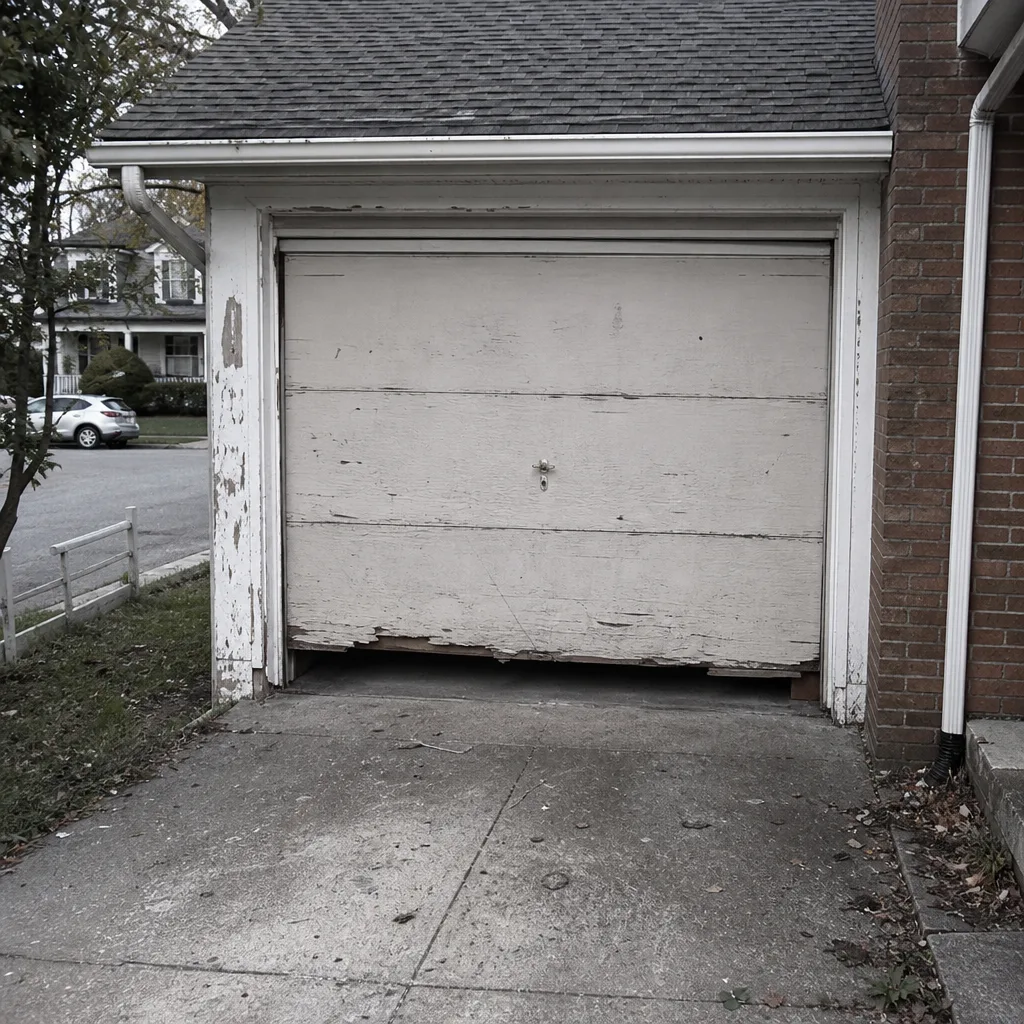
See the difference
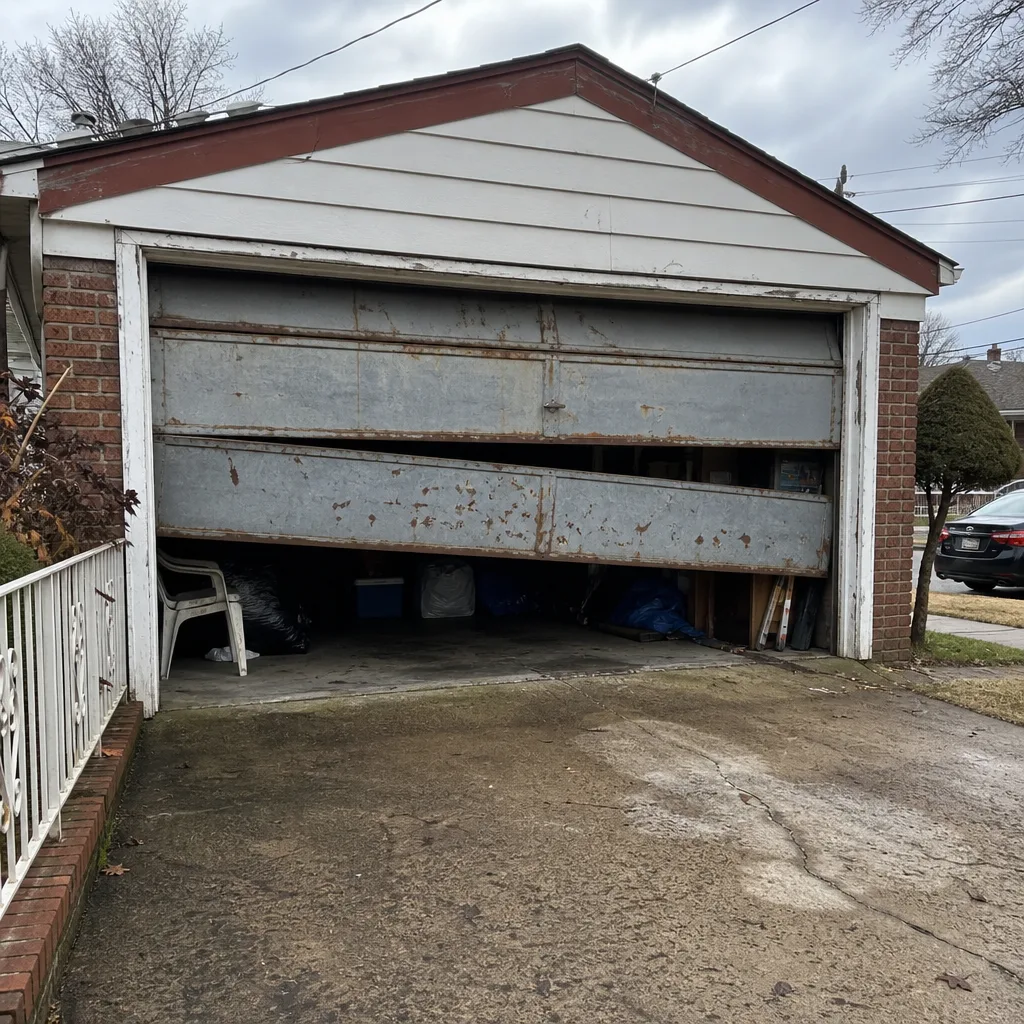 Before
 After
 Before
 After
 Before
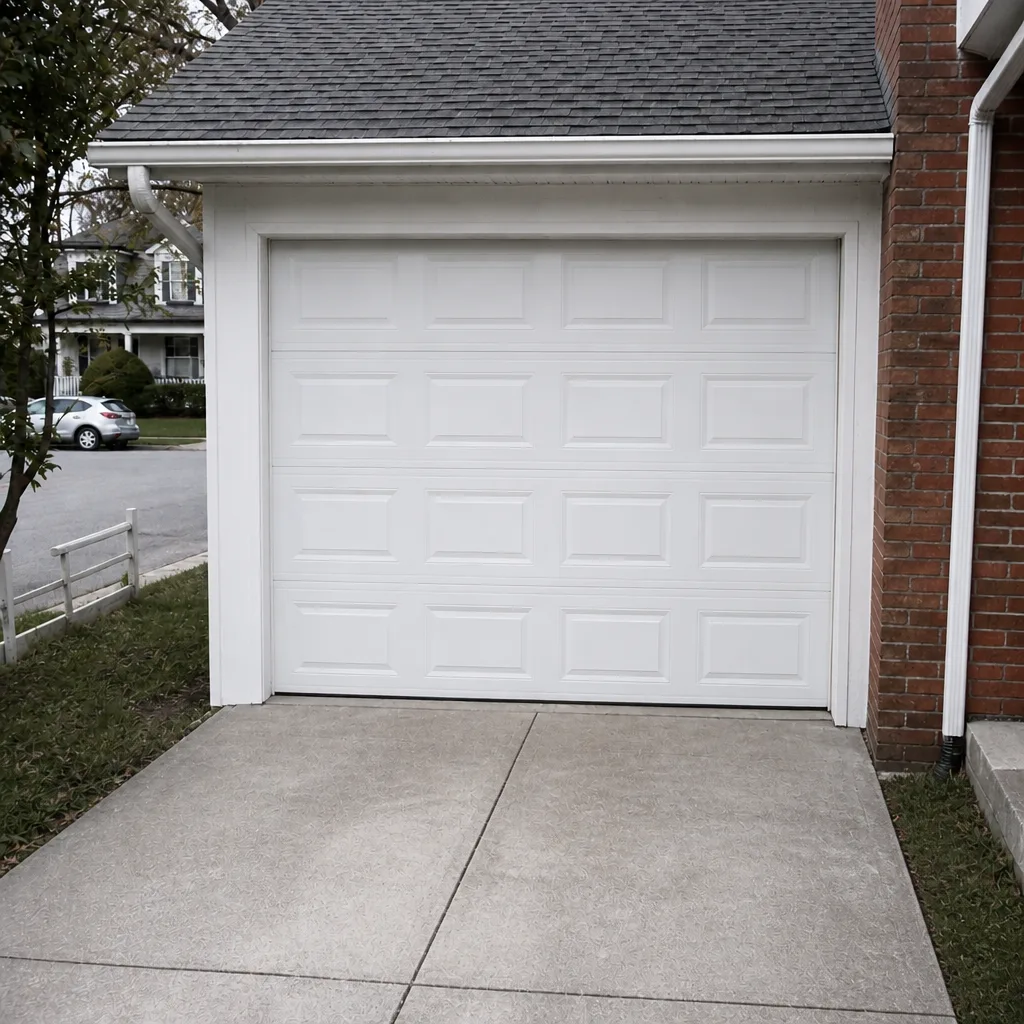 After
When to Call a Professional
Call a professional when the door won’t lift, won’t close, or makes a sound it didn’t make before. Call when you see a gap in the spring, frayed cable strands, or a door that feels far heavier than it should. Call when the opener runs but the door doesn’t move, or when the door reverses on its own mid-cycle. And call before you try to fix a spring or cable yourself, because those are the parts that cause real injuries. Most repairs can be scheduled the same day, and the estimate is free and set before any work starts.
Garage Door Repair Williamsbridge offers free estimates in Williamsbridge. Call (844) 443-3810. We answer 24/7. Fast dispatch from 7am to 7pm, Sunday through Friday.
Frequently Asked Questions
Garage door spring repair in Williamsbridge typically costs $180 to $340 for a single torsion spring and $360 to $680 for a matched pair. The exact price depends on the door weight and whether cables need attention too. The written estimate sets the final price before work starts. Call (844) 443-3810 for an exact quote – estimates are free.
Yes, most same-day calls are scheduled the same day you call, and our technicians have up to 10 years of experience. We answer 24/7. Fast dispatch from 7am to 7pm, Sunday through Friday. A call outside dispatch hours is booked into the next opening, Sunday through Friday, 7am to 7pm. Call (844) 443-3810 to get on the schedule.
No. The price is quoted and agreed before any work starts. If the job turns out to need more than the estimate covers, the technician tells you before starting the additional work. The written estimate is the number you pay. Call (844) 443-3810 for a free estimate.
Yes. The local pro we connect you with is licensed and insured as the state requires, and our technicians have up to 10 years of experience. We don’t work outside our scope, which is garage doors and openers. Call (844) 443-3810 to schedule a free estimate.
In most cases, yes. Craftsman openers from that era are Chamberlain-compatible inside, so the parts family is still available. We work on LiftMaster, Chamberlain, Genie, and Craftsman openers by name, plus Clopay, Amarr, Wayne Dalton, and Raynor doors. Call (844) 443-3810 and we’ll confirm parts for your model.
Usually, yes. Most cities require a permit for structural or door replacement work, so ask the city’s building department before scheduling. The permit requirement is set by the city, not by the door brand or the installer. Call (844) 443-3810 and we can walk you through what to ask your building department.
The most common problem we see is spring fatigue on doors that were retrofitted with openers decades after the house was built. The door, frame, and opener are rarely matched, so the spring carries more load than it was sized for. That shortens spring life and strains the opener. Call (844) 443-3810 for a free estimate.
The Bottom Line
Williamsbridge garage doors fail on a predictable schedule, and the biggest predictor is mismatch: an older door with an opener bolted on later, a spring sized for one weight and asked to carry another, a track that’s shifted with the seasons. Fixing the system means measuring the frame and the door together, matching parts to the actual weight and use, and knowing when a job is a technician’s job and not a homeowner’s. Springs and cables stay with trained hands. The rest you can check yourself. And when the door stops moving, one call covers repair, replace, or install, with a free estimate and a written price before any work starts.
Call (844) 443-3810 for a free estimate. We answer 24/7. Fast dispatch from 7am to 7pm, Sunday through Friday.
Written by the team at Garage Door Repair Williamsbridge.